Allium ericetorum Care

Allium ericetorum

About Allium ericetorum

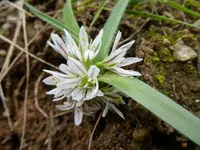
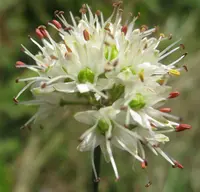
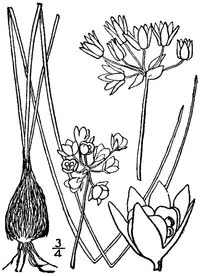
Allium ericetorum is a small, bulb-forming perennial from the onion genus, valued mainly for its delicate, grassy foliage and modest flower heads. It typically forms low clumps with slender leaves and upright flower stalks that hold loose clusters of pale blossoms.

This species occurs naturally in dry, often sandy or rocky habitats in parts of Europe, where it copes with lean soils and periods of low moisture. Its preference for well-drained substrates and its tolerance of drought make it relatively undemanding once established, though it dislikes heavy, waterlogged ground.

Gardeners who learn how to care for Allium ericetorum often grow it in rock gardens, sunny borders, or containers where it receives good light and does not sit in wet soil.

Main Plant Requirements

Care Difficulty

Moderate Care

Light Preference

Full Sun

Water Requirements

Low Water

Temperature Preference

Cold Hardy

Hardiness Zone

5–8

Soil Texture

Sandy, Loamy, Rocky

Soil pH

Acidic (5.5–6.5), Slightly acidic (6.5–7.0)

Soil Drainage

Well-drained

Fertilization

Minimal (feed rarely)

Get Personalized Care Plan

Scan your plant to receive care tips personalized for your specific plant

Available on iOS and Android

How to Care for the Allium ericetorum

This species prefers bright, open conditions typical of sunny meadows and rocky slopes.

  • Provide 6–8 hours of direct sun daily; light morning and midday sun with some protection from intense late-afternoon summer sun works best.
  • Tolerates light partial shade (3–4 hours of direct sun) but flowering will be lighter and stems may stretch toward the light.
  • Avoid deep shade, which leads to weak, floppy growth, and monitor in hot climates where reflected heat can scorch foliage and shorten bloom life for Allium ericetorum.

This bulb prefers slightly dry, free-draining conditions rather than constant moisture.

  • During active growth, water only when the top 3–5 cm of soil are dry, letting water drain quickly so the bulb does not sit in soggy ground.
  • In summer dormancy or after foliage yellows, reduce watering sharply and keep soil almost dry, especially in heavy or clay-based soils.
  • Watch for overwatering signs such as yellowing, soft foliage, or bulb rot odors; dry, limp leaves and shrinking bulbs indicate underwatering in Allium ericetorum.

This hardy bulb is adapted to temperate climates with cool to warm growing seasons and cold winters.

  • Active growth is best at 55–75°F (13–24°C), with cool spring temperatures promoting sturdy stems and good flowering.
  • Dormant bulbs tolerate down to about 0°F (−18°C) in well-drained soil; mulch lightly in colder areas with little snow cover.
  • In hot regions, prolonged heat above 90°F (32°C) can stress plants, so ensure sharp drainage and some afternoon shade to prevent soil overheating and bulb decline.

This species tolerates typical indoor humidity and does not need special humidity management.

Allium ericetorum prefers lean, sharply drained mineral soil that mimics rocky, open habitats.

  • Use sandy or gritty loam with 30–50% coarse sand or fine gravel to prevent water retention around the bulbs.
  • Aim for slightly alkaline to neutral pH around 7.0–7.5; add a small amount of garden lime if soil tests acidic.
  • Incorporate limited compost (no more than 10–15%) to avoid excess fertility that encourages weak, lush growth over flowers.
  • Avoid heavy clay, peat-heavy mixes, or sites where water collects, as poor drainage greatly increases bulb rot risk.

This species can be grown in containers if the pot is prepared to mimic dry, stony ground.

  • Choose a deep pot so bulbs can sit at least 2–3 in below the surface with space for roots to extend downward.
  • Use a heavy, stable container material like terracotta or ceramic to prevent tipping in windy, exposed positions.
  • Fill the pot with a very gritty mix and raise it on pot feet so drainage holes stay clear and water exits quickly.

This alpine bulb from nutrient-poor habitats needs only light feeding in cultivation.

  • Use a low-dose, balanced NPK fertilizer or a thin layer of fine compost in early spring as growth starts.
  • Apply at most 1–2 times per growing season for Allium ericetorum, avoiding heavy, nitrogen-rich products that cause soft, weak foliage.
  • Dilute liquid feeds to 1/4–1/2 strength and apply to moist soil, never onto dry roots.
  • Stop feeding once leaves begin to yellow and the plant heads toward dormancy, usually by late summer.

Pruning needs are minimal and focus on tidiness rather than shaping.

  • In late spring or early summer, deadhead spent flower stems at the base to reduce unwanted seeding and keep clumps neat.
  • Allow green foliage to remain until it yellows naturally, so bulbs can recharge; then remove collapsed leaves at soil level.
  • Cut only dead, damaged, or diseased material with clean, sharp scissors or snips to limit entry points for pathogens.
  • Avoid heavy cutting into healthy leaves, as this can reduce flowering performance in the next season for Allium ericetorum.

This small bulb is usually grown in rock gardens or thin soils and is moved infrequently.

  • Plan division or transplanting every 3–4 years when clumps become crowded or flowering declines, ideally in late summer to early autumn after foliage dies back.
  • Lift bulbs gently with a trowel or fork, keeping soil around the roots, and separate offsets by hand without tearing scales.
  • Replant into sharply drained, gritty soil at roughly 2–3 times bulb height, spacing bulbs so they are not touching.
  • Water lightly after transplanting to settle soil, then keep only slightly moist to limit rot and reduce transplant shock.

Propagation is most practical by lifting and dividing mature clumps rather than relying on seed.

  • Divide bulbs in late summer to early autumn once foliage has fully died back and the soil is relatively dry.
  • Gently separate natural offsets from the parent bulb by hand, discarding any soft or diseased bulbs.
  • Replant divisions at the same depth as before in well-drained, gritty soil, spacing to allow for future clump expansion.
  • Seeds of Allium ericetorum can be sown fresh outdoors in pots or trays, where natural winter chilling aids germination.

This species is cold hardy in most temperate climates and usually needs little active winter care.

  • In-ground bulbs tolerate typical frosts; ensure soil drains freely to avoid waterlogging and rot in winter.
  • Apply a light, dry mulch layer in very cold regions to buffer temperature swings while keeping the crown uncovered.
  • For containers, use a gritty mix and keep pots on pot feet or under shelter so excess winter rain can drain away.

Care Tips

Bulb clump rotation

Every 3–4 years, lift and gently separate congested clumps after foliage dies back, then replant the healthiest bulbs at the original depth to maintain flowering vigor and reduce disease buildup when growing Allium ericetorum.

Targeted weed control

Use a narrow hand hoe or knife to remove weeds early in spring around emerging shoots, keeping a 5–8 cm weed-free ring so shallow bulbs and roots are not disturbed.

Soil surface protection

After planting, apply a very thin, gritty mineral mulch (such as 3–5 mm gravel) around the bulbs to improve drainage at the neck of the bulb and reduce rot from surface moisture.

Foliage disease monitoring

From late spring, inspect leaves weekly for spots or yellow streaks, promptly removing affected foliage and avoiding overhead watering in that area to limit the spread of fungal and viral problems.

Bulb storage hygiene

If bulbs must be lifted for storage, clean off loose soil, discard any soft or damaged bulbs, and store the rest in a single breathable layer at 50–60°F in a dry, shaded place to prevent rot and premature sprouting.

Common Pests and Diseases

Leek moth

This pest feeds on leaves and flower stalks, creating mines and tunnels that cause distortion and browning. Symptoms include silken webbing, frass, and weakened flowering stems.

Solution

Remove and destroy mined or tunneled leaves and any visible larvae, and use fine insect mesh over the planting area from early spring to keep adults from laying eggs. Avoid nearby volunteer alliums, and rotate planting sites yearly to reduce overwintering populations when growing Allium ericetorum in the same garden.

Onion fly

This pest lays eggs at the base of plants; larvae feed on roots and bulbs, leading to yellowing foliage, stunting, and plant collapse. Symptoms include soft, damaged bulbs and a foul smell when lifted.

Solution

Use fine mesh or row covers to prevent adult flies from reaching plants, and remove and destroy any infested bulbs and surrounding soil. Practice crop rotation, avoid leaving old bulbs in the ground, and consider using collars or sand around stems to make egg-laying more difficult.

Downy mildew

This disease causes pale, yellowish patches on leaves that later develop gray-violet, fuzzy growth, often in cool, humid weather. Symptoms include leaf twisting, tip dieback, and reduced flowering.

Solution

Increase spacing and airflow, water at soil level in the morning, and promptly remove and dispose of affected leaves. In areas with repeated issues, avoid overhead irrigation and rotate out of alliums in that bed for several years.

Rust

This disease produces orange to brown pustules on leaves and scapes, leading to yellowing and premature leaf death. Symptoms include reduced vigor and smaller bulbs and flowers.

Solution

Remove and discard infected foliage as soon as pustules appear, and avoid wetting the leaves during irrigation. Improve spacing and air circulation, and do not compost infected plant debris to reduce reinfection next season.

Bulb nematodes

These microscopic worms invade bulbs and basal plate tissue, causing distorted growth, swollen or spongy bulbs, and yellow, twisted leaves. Symptoms include poor emergence and plants that fail to flower or collapse early.

Solution

Discard any suspect bulbs and do not replant alliums in the same soil for several years. Plant only healthy, firm bulbs, improve drainage, and consider hot-water treatment of planting stock from specialist suppliers as part of Allium ericetorum care instructions in high-risk areas.

Interesting Facts

Heathland specialist

This species is naturally restricted to nutrient-poor, sandy and heathy habitats in parts of central and northern Europe, where it is adapted to acidic, low-fertility soils that many other Allium species avoid.

Unusual flowering season

Unlike many ornamental onions that bloom in late spring or early summer, this plant typically flowers later, from mid to late summer, extending the flowering period for wild Allium communities in its native range.

Delicate dwarf growth

It forms very small, low tufts with fine, grass-like leaves and modest flower heads, reflecting an adaptation to exposed, wind-swept heathlands rather than tall, competitive vegetation.

FAQs about Allium ericetorum

Lack of flowers usually comes from bulbs planted too shallow, insufficient cold period, or depleted nutrients. Crowded clumps and heavy shade also reduce blooming. Allow foliage to mature naturally each year so bulbs can recharge for the next season.

Grow Healthy Plants with Botan Care

Keep your plants happy and healthy with plant identification, disease detection, and easy care guidance.

Botan plant care app — identify plants on mobile

Explore More Plants