Mark Bulb Locations
After flowering but before foliage dies back, place small labels or stones where clumps grow so you do not disturb dormant bulbs during summer cultivation or replanting.

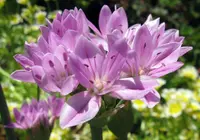
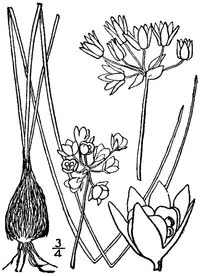
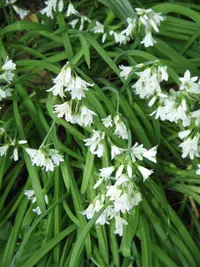
Oneleaf onion, Allium unifolium, is a small bulb-forming perennial in the onion family grown mainly for its soft pink to lilac flower clusters. It typically produces a single narrow leaf and upright flowering stems, giving a clean, architectural look in rock gardens, borders, and naturalized plantings.
This species is native to parts of western North America, where it grows in open, often seasonally moist habitats. It is generally easy to grow if planted in well-drained soil with sun to light shade and moderate moisture. Gardeners who want to learn how to care for oneleaf onion usually find it a low-maintenance, reliable ornamental bulb when its basic light and drainage needs are met.

Care Difficulty
Easy Care

Light Preference
Full Sun

Water Requirements
Moderate Water

Temperature Preference
Cold Hardy

Hardiness Zone
5–9

Soil Texture
Sandy, Loamy, Organic-rich

Soil pH
Slightly acidic (6.5–7.0), Neutral (7.0)

Soil Drainage
Well-drained

Fertilization
Minimal (feed rarely)
Scan your plant to receive care tips personalized for your specific plant
Available on iOS and Android
This bulbous perennial thrives in bright conditions that mimic an open meadow or lightly shaded border.
This plant prefers evenly moist but not saturated soil during active growth, then drier conditions in dormancy.
This hardy bulb performs best in mild to cool climates with a distinct winter chill.
Humidity is rarely a limiting factor for oneleaf onion grown outdoors or in pots.
Allium unifolium grows best in loose, well‑drained mineral soil that does not stay wet after rain or watering.
This species is well suited to container growing outdoors.
This bulb needs only light feeding, as soils that are too rich can cause soft, floppy growth in oneleaf onion.
Allium unifolium benefits from simple clean-up pruning rather than structural shaping.
This bulb is usually grown in the ground, so transplanting clumps is more common than repotting individual bulbs.
Multiplying this ornamental onion is straightforward through bulb division, with seed used mainly for larger projects.
This species is generally cold hardy in many temperate regions and needs minimal winter care in the ground.

Plant Health Check
Not sure what's wrong with your plant? Check your plant's health inside the app.
This species is naturally found along the Pacific coast of North America, from southwestern Oregon into central California, where it grows in open grassy slopes, coastal scrub, and light woodland edges, often on well-drained, seasonally moist soils.
The plant produces a loose, airy umbel (a flower cluster where stalks arise from a single point) of soft pink to lilac, star-shaped flowers, which distinguishes it from many wild Allium relatives that have denser, more spherical flower heads.
Its nectar-rich spring to early summer flowers are attractive to native bees, small pollinating flies, and some butterflies, making it a useful ornamental bulb for supporting local pollinator communities in suitable regions.
Lack of flowering usually comes from bulbs being too crowded, insufficient winter chill, or low light. Divide congested clumps, ensure a cool dormant period, and place in a bright, open spot to improve blooming next season.
Keep your plants happy and healthy with plant identification, disease detection, and easy care guidance.