Purple Gromwell Care (Aegonychon purpurocaeruleum)

Also known as: Blue Gromwell
Purple Gromwell

About Purple Gromwell

Purple gromwell, Aegonychon purpurocaeruleum, is a low, spreading perennial grown mainly as a groundcover. It forms dense mats of dark green, lance-shaped leaves that stay attractive for most of the growing season.

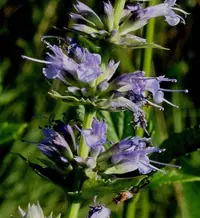
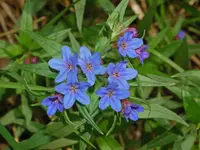
In spring, it produces small, tubular flowers that open purplish and often age to blue, creating a subtle but elegant display along shaded borders or under shrubs. This species is native to woodlands and rocky slopes in parts of Europe, so it is naturally adapted to cooler, partially shaded sites.

It is generally a tough, low-maintenance plant once established, though it dislikes waterlogged soil and very hot, dry positions. Understanding its woodland origins helps guide how to care for Purple Gromwell in gardens and shaded landscapes.

Main Plant Requirements

Care Difficulty

Easy Care

Light Preference

Partial Shade

Water Requirements

Moderate Water

Temperature Preference

Cold Hardy

Hardiness Zone

5–8

Soil Texture

Loamy, Silty, Organic-rich

Soil pH

Acidic (5.5–6.5), Slightly acidic (6.5–7.0)

Soil Drainage

Moist but well-drained

Fertilization

Minimal (feed rarely)

Get Personalized Care Plan

Scan your plant to receive care tips personalized for your specific plant

Available on iOS and Android

How to Care for the Purple Gromwell

This woodland perennial prefers dappled conditions similar to light beneath deciduous trees.

  • Provide 3–5 hours of soft morning sun with bright dappled or open shade the rest of the day; avoid strong afternoon sun in hotter regions.
  • Plant Purple Gromwell where it receives filtered light under shrubs or trees; dense full shade reduces flowering and causes leggy, weak growth.
  • In summer, monitor foliage for leaf scorch or pale patches, which signal excess sun; in early spring and fall it tolerates slightly brighter exposure.

This plant prefers evenly moist, humus-rich soil that never stays waterlogged.

  • Before watering, allow the top 2–3 cm of soil to dry, then water thoroughly so moisture penetrates the root zone without leaving standing water.
  • Use well-drained soil enriched with leaf mold or compost; yellowing, limp stems suggest overwatering and poor drainage, while drooping, crisp leaves indicate drought stress.
  • In spring and early summer, when growth is active, soil may need checking every few days; reduce watering frequency once flowering finishes and growth slows.

This hardy perennial tolerates cool climates but benefits from moderate growing temperatures.

  • Optimal growth occurs around 55–70°F (13–21°C), with steady spring and fall temperatures supporting strongest foliage and flowering.
  • The root system usually survives down to about 5°F (-15°C) in well-drained soil; mulch in cold climates to buffer freeze–thaw cycles.
  • In hot summers above 80–85°F (27–29°C), provide shade and consistent moisture, since heat combined with dry soil can cause wilting and leaf scorch.

This woodland perennial handles typical household humidity without special measures.

This plant prefers loose, humus-rich soil that stays evenly moist yet drains freely.

  • Use a loamy mix with plenty of organic matter, such as garden loam blended with leaf mold or compost.
  • Ensure fast drainage and aeration by adding 20–30% grit, coarse sand, or fine gravel, especially in heavier soils.
  • Aim for slightly acidic to neutral pH, around 6.0–7.0, which suits Aegonychon purpurocaeruleum in most garden settings.
  • Avoid compacted clay, waterlogged areas, or very dry, shallow soils that cause root stress and weak growth.

This species can be grown in containers if moisture and root space are carefully managed.

  • Choose a wide, relatively shallow pot to accommodate its spreading rhizomes and allow surface shoots to form a groundcover effect.
  • Select a heavier material such as terracotta or ceramic to keep the container stable as stems arch outward.
  • Water so excess drains rapidly through the holes, then discard saucer runoff to prevent the rhizomes from sitting in stagnant water.

This woodland perennial needs only light feeding, as it is adapted to modest, humus-rich soils.

  • Use a thin layer of garden compost or a balanced slow-release fertilizer (around 10-10-10) in early spring.
  • Feed once per year during the main growing season; avoid repeated high-nutrient applications.
  • Apply at half the label rate for ornamentals to prevent lush, weak growth and reduced flowering.
  • For Purple Gromwell in poor soil, lightly top-dress again in mid-summer if growth appears pale.

Pruning needs for Aegonychon purpurocaeruleum are minimal and mainly focused on tidying.

  • Best time is late winter to early spring before strong new growth, or just after flowering finishes.
  • Remove dead, damaged, or diseased stems at the base using clean, sharp hand pruners.
  • Thin out crowded or sprawling shoots to maintain a low, arching shape and allow light into the clump.
  • Shear off spent flower stems and messy foliage to encourage fresh leaves and a neater appearance.

This species is usually grown in the ground, so care focuses on dividing and transplanting clumps rather than frequent repotting.

  • Transplant or divide in early spring or early fall when temperatures are mild and soil is workable.
  • Plan to lift and divide crowded clumps every 3–5 years, or when flowering declines and centers thin out.
  • For container plants, repot when roots circle the pot or growth slows, stepping up only 1 pot size.
  • Reduce root stress by watering well before moving, handling roots gently, and shading the plant for 3–5 days afterward.

This plant is most commonly propagated by division, with seed and cuttings used less often.

  • Divide established clumps in early spring or early fall, keeping several shoots and roots on each section.
  • Replant divisions at the same depth in moist, well-drained soil and water thoroughly to settle roots.
  • Sow fresh seeds in fall in a cold frame; natural winter chilling improves germination in spring.
  • Take short, non-flowering basal cuttings in late spring, and root them in a loose, moist, low-nutrient medium.

This hardy perennial tolerates normal winters in most temperate regions and usually needs little special care.

  • Plants in the ground withstand frost once established, especially in well-drained soil.
  • Apply a 3–5 cm layer of leaf mold or bark mulch around the root zone in late fall, keeping it off crowns.
  • For containers, move pots to a sheltered spot, such as against a wall, to buffer repeated freeze–thaw cycles.
  • Avoid waterlogged conditions in winter, as saturated soil around roots increases the risk of rot.

Care Tips

Edge Containment

Install a shallow root barrier or edging strip 10–15 cm deep along beds to keep purple gromwell from spreading into lawns or paths while still allowing it to form a dense groundcover.

Shade-Gradient Planting

Plant slightly denser clumps on the shadier side of a bed and thinner clumps toward brighter edges to create an even carpet and reduce bare patches when growing Purple Gromwell in mixed light conditions.

Leaf-Mulch Integration

Top-dress around plants each autumn with a thin layer of shredded deciduous leaves and gently work some into the top 1–2 cm of soil to mimic woodland litter and encourage a resilient, fibrous root system.

Flowering Spread Control

Deadhead spent flower stems before seed set in areas where self-seeding is not wanted, but leave a few stems in less formal zones if naturalized colonies are acceptable.

Slugs And Snails Patrol

Place low, rough barriers such as crushed gravel bands or coarse sand around new plantings and hand-remove slugs and snails after wet evenings to protect young foliage before it toughens.

Common Pests and Diseases

Leaf spot

This disease causes irregular brown or black spots on leaves that may later turn papery and drop out, giving a tattered appearance. Symptoms include more damage on older, shaded, or poorly ventilated foliage in spring and early summer.

Solution

Remove and dispose of heavily spotted leaves to reduce inoculum, and avoid overhead watering so foliage dries quickly. Improve air circulation, keep the planting moderately thinned, and if spots spread severely each year, apply a labeled ornamental fungicide in early spring according to Aegonychon purpurocaeruleum care instructions and local guidelines.

Powdery mildew

This disease produces a white, powdery coating on the upper leaf surface and sometimes on stems, often appearing during warm days and cool, humid nights. Symptoms include distorted new growth and reduced vigor when infections are heavy.

Solution

Improve light and airflow around the clump by gently thinning surrounding vegetation and avoiding overcrowding. Remove badly affected leaves, water at soil level, and if needed apply a sulfur or potassium bicarbonate fungicide labeled for ornamentals at the first sign of powdery growth.

Slugs and snails

These pests chew irregular holes in leaves, often starting at the edges, and may leave silvery slime trails on or around the plant. Damage is most noticeable on young spring foliage and in damp, shaded sites.

Solution

Hand-pick slugs and snails during the evening or early morning and remove hiding places such as dense debris near the crown. Use iron phosphate bait around but not directly on the clump, and keep mulch thin so the soil surface stays less attractive to these mollusks.

Vine weevils

These insects cause notched leaf edges from adult feeding, while the larvae feed on roots and crowns, potentially leading to wilting and poor growth. Symptoms include leaves with regular U-shaped bites and, in severe cases, sudden collapse of sections of the plant.

Solution

Inspect foliage at night and physically remove adult beetles from leaves, and avoid keeping the soil overly loose and wet, which favors larvae near the crown. In container or small garden plantings, consider applying beneficial nematodes targeting vine weevil larvae in spring or late summer, following product directions closely.

Interesting Facts

Spring color change

Its flowers open a rich purple and gradually turn deep blue as they age, a color shift caused by changes in flower pigments and cell sap pH over time.

Early forest bloomer

This species flowers in early to mid spring on the floor of deciduous woodlands in central and southern Europe, taking advantage of high light levels before the tree canopy fully closes.

Creeping rhizome habit

It spreads slowly via underground rhizomes, forming low, patchy colonies that help stabilize leaf-litter-rich forest soils without becoming strongly invasive.

Botan icon

Did you know?

In several parts of central Europe, this species is considered an indicator of long-established, relatively undisturbed broadleaf woodland, so its presence can hint at centuries of continuous forest cover.

FAQs about Purple Gromwell

This species spreads slowly by short rhizomes, forming loose clumps and short patches rather than large colonies. It is not usually considered aggressive, but in fertile, moist, shaded beds it can gradually expand and fill available gaps.

Grow Healthy Plants with Botan Care

Keep your plants happy and healthy with plant identification, disease detection, and easy care guidance.

Botan plant care app — identify plants on mobile

Explore More Plants