caraway Care (Carum carvi)

Also known as: meridian fennel, Persian cumin
caraway

About caraway

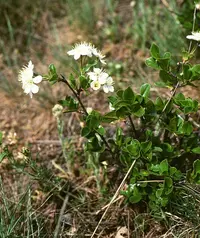
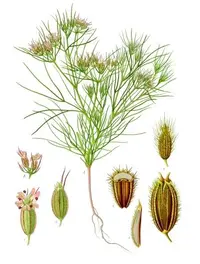
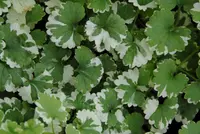
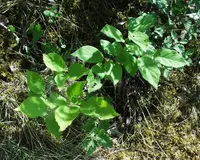
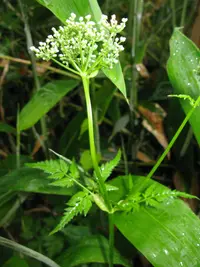
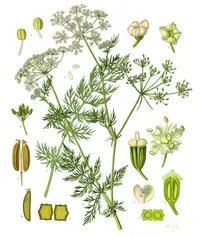
Carum carvi, commonly called caraway, is a biennial herb grown mainly for its aromatic seeds. In its first year, it forms a low rosette of finely divided, feathery leaves.

In the second year, it sends up taller branching stems topped with flat clusters of small white to pinkish flowers, followed by the familiar crescent-shaped seeds.

Caraway is native to parts of Europe, western Asia, and North Africa, and it adapts well to many temperate gardens. It prefers sunny, open sites with well-drained soil, and its relatively modest needs make it straightforward to care for caraway if soil does not stay waterlogged.

Main Plant Requirements

Care Difficulty

Moderate Care

Light Preference

Full Sun

Water Requirements

Moderate Water

Temperature Preference

Cool Climate

Hardiness Zone

3–7

Soil Texture

Sandy, Loamy, Organic-rich

Soil pH

Slightly acidic (6.5–7.0), Neutral (7.0)

Soil Drainage

Well-drained

Fertilization

Minimal (feed rarely)

Get Personalized Care Plan

Scan your plant to receive care tips personalized for your specific plant

Available on iOS and Android

How to Care for the caraway

This herb prefers bright, open conditions to produce aromatic foliage and seeds.

  • Provide 6–8 hours of direct sun daily, ideally with strong morning sun and lighter afternoon exposure, especially in hotter climates.
  • Allow light partial shade in the hottest part of the afternoon; growth may be slightly looser but still productive for caraway.
  • Watch for weak, leggy stems and small leaves as signs of insufficient light, and for leaf scorch or crispy edges as signs of too much intense sun.

Consistent but moderate moisture supports healthy root and foliage development.

  • Water when the top 2–4 cm of soil feels dry, aiming for evenly moist soil that is never saturated or dusty dry.
  • Use well-drained soil or raised beds so excess water runs off; Carum carvi is prone to root problems in heavy, waterlogged ground.
  • In hot, dry periods, expect to water more often; gray, drooping foliage signals thirst, while yellowing, soft stems often indicate overwatering.

This species prefers cool to mild conditions and tolerates some cold.

  • Aim for 60–70°F (16–21°C) for strongest vegetative growth during the main growing season.
  • Plants tolerate light frosts down to about 25°F (-4°C), but temperatures below this can damage crowns, especially in poorly drained soil.
  • In summer, growth may slow above 80°F (27°C); provide soil moisture and light afternoon shade during heat waves to reduce stress.

This species handles typical household humidity well, with only minor sensitivity to very dry air.

  • Aim for 30–50% humidity; no special boosting is needed in most homes.
  • Caraway tolerates brief dry indoor air but leaf tips may brown or curl if air stays very dry near heaters or vents.
  • If stress appears, move the pot away from hot drafts and group plants together or place the container on a shallow pebble tray with water.

Carum carvi prefers light, free-draining soil that stays evenly moist but never waterlogged.

  • Use a sandy or loamy mix with 20–30% coarse sand or perlite to keep the root zone aerated.
  • In the ground, improve heavy or compacted soil by mixing in compost and coarse grit to enhance drainage and structure.
  • Target a slightly acidic to neutral pH around 6.0–7.0, avoiding strongly acidic or alkaline sites that slow growth.
  • Avoid dense clay, peat-heavy mixes, or spots where water lingers after rain, as these conditions encourage root problems.

This species grows reliably in containers when given a deep, well-drained pot.

  • Choose a container at least 20–25 cm deep so the taproot can extend without curling at the bottom.
  • Select a heavier clay or ceramic pot outdoors to reduce tipping from wind acting on the tall flower stalks.
  • Elevate the pot on feet or slats so drainage holes stay clear and excess water can exit quickly after watering.

This biennial herb benefits from modest feeding in average garden soil, especially in pots.

  • Use a light application of compost or a balanced fertilizer (around 10-10-10 NPK) in early spring as growth begins.
  • For containers, apply a diluted balanced liquid feed at 1/2 strength every 4–6 weeks during the growing season.
  • Avoid heavy nitrogen, which promotes excess foliage over seeds, important when caring for caraway for harvest.
  • Stop feeding in late summer and avoid fertilizing in fall and winter to prevent soft, cold-sensitive growth.

Pruning Carum carvi is minimal and focuses on tidiness and seed production management.

  • In late spring and summer, remove yellowing, damaged, or diseased leaves with clean scissors or hand pruners.
  • Cut spent flower stems after seed harvest to prevent self-seeding and to keep beds orderly.
  • Thin crowded stems at the base to improve air flow and reduce fungal issues.
  • In late season, shear back dead top growth at ground level, leaving the root undisturbed for natural die-back.

This taprooted biennial prefers open ground but can be moved carefully when young.

  • Transplant in early spring when seedlings have 2–4 true leaves and before the taproot is long and woody.
  • Look for roots circling a pot drainage hole or clear stunting as a sign container plants need shifting to a slightly larger pot.
  • Handle the taproot gently, disturb soil as little as possible, and water thoroughly to settle roots and reduce transplant shock.
  • Avoid frequent repotting; instead, choose a deep, final container early or plant into its outdoor position once after seedling stage.

Carum carvi is most commonly propagated from seed rather than vegetative methods.

  • Sow fresh seed in late summer or early spring, as germination declines with age.
  • Direct sow into well-drained soil, covering seeds lightly with 0.5 cm of fine soil and keeping the surface evenly moist.
  • Provide cool to mild temperatures (55–70°F) and consistent moisture until seedlings establish.
  • Thin seedlings to allow 15–20 cm spacing, choosing the strongest plants to develop full-size taproots and flowering stems.

This herb is fairly cold hardy and usually needs only light winter attention in the ground.

  • In climates colder than about USDA zone 4, apply a 3–5 cm mulch of straw or leaf mold over the root zone after the soil cools.
  • Leave dead foliage in mild regions as natural insulation, then remove it in early spring before new growth.
  • For container plants in colder areas, move pots to a sheltered, unheated but frost-free spot to prevent root damage.

Care Tips

Staggered sowing

Sow small patches 2–3 weeks apart in early spring to spread out harvest time and ensure a steady supply of leaves and seeds when growing Carum carvi.

Selective leaf harvest

Harvest only a few outer leaves from each plant at a time and avoid cutting the central growth point so the plant can continue building energy for strong flowering and seed production.

Seed umbel timing

Cut seed heads when most seeds have turned brown but before they shatter, then dry them upside down in paper bags indoors so you lose fewer seeds to wind and birds.

Root rotation use

Use spent 2-year-old plants by lifting the fleshy roots for culinary use after seed harvest, then replant new seedlings nearby to maintain continuous production in the same bed.

Targeted support staking

In windy sites, insert a low ring or a few slender stakes around the clump just before flowering so the tall, hollow stems stay upright and umbels ripen evenly without lodging.

Common Pests and Diseases

Aphids

These insects feed on young stems and flower stalks, causing curling, distortion, and sticky honeydew that can lead to sooty mold on caraway foliage and umbels.

Solution

Wash colonies off with a strong but controlled stream of water, then use insecticidal soap or a neem oil spray directed at the undersides of stems and flower stalks; encourage natural predators like lady beetles by avoiding broad-spectrum insecticides when caring for caraway.

Carrot rust fly larvae

This pest lays eggs near the base of plants, and the larvae tunnel into roots, causing brown channels, stunting, and poor flavor of the taproot in Carum carvi.

Solution

Use fine insect mesh or row covers from early in the season to prevent egg-laying, avoid thinning during peak flight times, and rotate plantings with non-Apiaceae crops for at least 3–4 years in affected beds; remove and destroy infested roots rather than composting them.

Cercospora leaf spot

This disease causes small, circular to irregular brown or gray spots with darker margins on leaves, which can merge and lead to yellowing and premature leaf drop in dense stands.

Solution

Improve airflow by adequate spacing and avoiding overhead irrigation, remove heavily spotted foliage, and if the problem recurs, apply a labeled copper-based or chlorothalonil fungicide at the first appearance of spots, rotating products to reduce resistance.

Powdery mildew

This disease appears as white, powdery patches on leaves and stems, leading to reduced vigor and lower seed yield, especially in humid conditions with poor air circulation.

Solution

Increase spacing and airflow, water at soil level rather than overhead, and remove severely infected leaves; at first signs, use sulfur-based or potassium bicarbonate sprays labeled for herbs, applied in the evening when temperatures are below 85°F.

Caraway leaf miner

This pest’s larvae tunnel within the leaf blades, creating pale, winding mines that reduce photosynthesis and can weaken plants grown for foliage or seed.

Solution

Remove and destroy mined leaves promptly to reduce larvae, use floating row covers early in the season to block adult flies, and introduce or conserve parasitoid wasps where available by avoiding unnecessary insecticide use on nearby flowering herbs.

Interesting Facts

True biennial lifecycle

Carum carvi usually spends the first year forming only a low rosette of leaves and stores energy in a thick taproot, then flowers, sets seed, and dies in the second year, which strongly influences when and how the seeds are harvested.

Distinct split fruit

The so-called caraway seeds are actually dry split fruits called schizocarps that break into two mericarps, each containing one seed, a structure typical of the carrot family Apiaceae.

Cool-climate specialist

Carum carvi is adapted to temperate, cooler regions and often bolts and loses quality in hot conditions, so most commercial production takes place in cooler parts of Europe, Asia, and North America.

Botan icon

Did you know?

Archaeological evidence from Neolithic and Bronze Age sites in Europe shows that caraway fruits were already used by early human societies several thousand years ago, making this one of the oldest documented spice crops in the region.

FAQs about caraway

This herb usually flowers in its second year, after forming a leafy rosette first. Lack of flowering often comes from too much nitrogen, deep shade, or stress from drought or overcrowding rather than incorrect Carum carvi care.

Grow Healthy Plants with Botan Care

Keep your plants happy and healthy with plant identification, disease detection, and easy care guidance.

Botan plant care app — identify plants on mobile

Explore More Plants