Staggered Succession Sowing
Sow small batches every 2–3 weeks over spring to extend the harvest window and reduce the risk of losing the whole crop to a single heatwave or storm event.

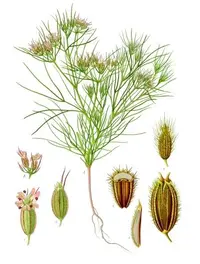
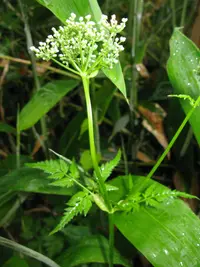
Cuminum cyminum, commonly known as cumin, is a soft, aromatic annual herb grown mainly for its seeds. It forms slender, branching stems with fine, thread-like leaves and small white or pink flower clusters.
The plant originates from the eastern Mediterranean and South Asia but is now widely cultivated in warm, dry regions. It prefers full sun, moderate moisture, and well-drained, light soil.
Cumin is relatively easy to grow if it receives enough warmth and a long, frost-free season. Understanding how to care for cumin helps ensure good flowering and a reliable seed harvest.

Care Difficulty
Moderate Care

Light Preference
Full Sun

Water Requirements
Moderate Water

Temperature Preference
Tropical / Frost Sensitive

Hardiness Zone
9–11

Soil Texture
Sandy, Loamy, Organic-rich

Soil pH
Slightly acidic (6.5–7.0), Neutral (7.0)

Soil Drainage
Well-drained

Fertilization
Light (every 4–6 weeks)
Scan your plant to receive care tips personalized for your specific plant
Available on iOS and Android
This annual herb needs bright, direct sun for reliable flowering and seed production.
This shallow-rooted annual prefers steady, moderate moisture in freely draining soil.
This warm-season annual grows best in mild, frost-free conditions.
This species tolerates typical indoor humidity and does not need special humidity management.
This herb prefers light, well-drained soil that stays evenly moist but never waterlogged.
This species can be grown successfully in containers when depth and drainage are managed carefully.
This annual herb benefits from light, balanced feeding during its active growing season.
Cuminum cyminum needs only light pruning to maintain plant health and flowering.
This annual is usually grown from seed in place, so transplanting focuses on young seedlings rather than long-term repotting.
Seed propagation is the standard and most practical method for Cuminum cyminum plant care.
This frost-sensitive annual usually completes its life cycle before winter and does not need extensive winter care.

Plant Health Check
Not sure what's wrong with your plant? Check your plant's health inside the app.
This species is believed to have been domesticated in the eastern Mediterranean and Iranian regions and has been cultivated for several thousand years as a spice crop in arid to semi-arid climates.
Cuminum cyminum completes its entire life cycle in a single warm season, typically requiring a long, hot, dry period to flower and set its elongated ribbed seeds that are harvested as cumin spice.
The plant’s small white to pink umbel flowers are mainly visited by small flies and other insects, and the same aromatic compounds that flavor the seeds also help attract some of these pollinators.

Archaeological evidence shows cumin seeds were present in ancient Egyptian tombs and used in Old World cuisines and rituals for at least 3,000–4,000 years, making it one of the longest-cultivated spice plants in continuous human use.
The dried seeds are fully edible and widely used as a culinary spice, whole or ground, in curries, chili, stews, breads, and pickles. Young leaves can be used sparingly as a herb-style garnish.
Keep your plants happy and healthy with plant identification, disease detection, and easy care guidance.