Wintergreen Care (Gaultheria procumbens)

Also known as: Checkerberry, Wintergreen, ginger-plum, ginger-leaf, winterberry, red pollom, roxberry, trailing gaultheria, clink, wax cluster, ivory plum, berried tea, woodsman's tea, aromatic wintergreen, creeping wintergreen
Wintergreen

About Wintergreen

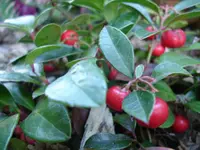
Wintergreen, Gaultheria procumbens, is a low-growing evergreen shrub native to cool forests of eastern North America. It forms tight mats of glossy, rounded leaves that often turn reddish in cold weather. Small white or pinkish bell-shaped flowers appear in summer, followed by bright red berries that can persist into winter. The plant spreads slowly by creeping stems, staying compact and close to the ground. It prefers cool conditions, acidic humus-rich soil, and consistent moisture with light shade. These specific needs mean it can be somewhat challenging for beginners to care for Wintergreen, especially in hot or very dry climates.

Main Plant Requirements

Care Difficulty

Moderate Care

Light Preference

Partial Shade

Water Requirements

Keep Soil Moist

Temperature Preference

Cold Hardy

Hardiness Zone

3–8

Soil Texture

Loamy, Peaty, Organic-rich

Soil pH

Strongly acidic (4.5–5.5), Acidic (5.5–6.5)

Soil Drainage

Moist but well-drained

Fertilization

Minimal (feed rarely)

Get Personalized Care Plan

Scan your plant to receive care tips personalized for your specific plant

Available on iOS and Android

How to Care for the Wintergreen

This low-growing evergreen shrub prefers cool, bright conditions with protection from harsh midday sun.

  • Provide 3–5 hours of gentle morning sun with afternoon shade or dappled light, especially in warmer regions.
  • Plant in partial shade under open trees or on the north or east side of buildings; Wintergreen tolerates deeper shade but will flower and fruit less.
  • Watch for bleached, crispy leaves as a sign of too much sun, and stretched, sparse growth as a sign it needs more light.

This woodland species needs consistently moist, never waterlogged soil for healthy growth.

  • Water when the top 2–3 cm of soil feel dry, aiming for evenly damp soil that does not stay soggy.
  • Use well-drained, humus-rich, slightly acidic soil; poor drainage leads to root rot, seen as blackened, mushy roots and yellowing foliage.
  • Reduce watering slightly in cool autumn–winter conditions and increase during hot, dry spells, watching for limp, curling leaves as a sign of thirst.

This species is naturally cold-hardy but still benefits from stable, moderate temperatures during active growth.

  • Optimal growing temperatures are 60–70°F (16–21°C) in spring and early summer, with cooler nights improving color and vigor.
  • Mature plants tolerate cold down to about -20°F (-29°C) with snow cover, but young plants need protection from sudden, bare frosts.
  • Heat above 80–85°F (27–29°C), especially with dry soil, can stress plants; provide shade and mulch to keep roots cool in hot weather.

This species prefers cool, moderately moist air and usually adapts to typical home humidity.

  • Aim for 40–60% humidity to limit leaf edge browning and keep foliage firm.
  • It tolerates short dry spells indoors, but prolonged heated, very dry air can cause rolling or crispy leaf tips.
  • If air is below 30%, group pots, place on a pebble tray with water below the pot base, or humidify the room when caring for Wintergreen.

Gaultheria procumbens needs consistently moist, acidic, well-aerated soil that mimics woodland conditions.

  • Use a loose, organic-rich mix such as 50% peat or coco coir, 30% fine bark, and 20% perlite for structure and air space.
  • Target a soil pH of 4.5–5.5; avoid alkaline mixes containing large amounts of lime or regular garden soil.
  • Ensure fast drainage so water passes through in seconds, while the mix still feels evenly damp rather than soggy.
  • Improve aeration by adding extra fine bark or perlite if the mix compacts or roots stay in wet, heavy pockets.

This species is well suited to cool outdoor containers and patio pots.

  • Choose a wide, shallow container to match its creeping root system and allow surface runners to spread without crowding.
  • Use a heavier material like ceramic or clay outdoors to stabilize the plant against wind and keep the acidic mix from drying too quickly.
  • Raise the pot on feet or bricks so drainage holes stay clear and excess water escapes quickly after rain.

This shrub is light-feeding, so use modest, well-timed nutrition to support steady growth without excessive foliage at the expense of berries.

  • Apply a balanced, slow-release fertilizer (around 10-10-10) or acid-loving shrub formula once in early spring as new growth starts.
  • Use light rates only; for liquids, dilute to 1/2 strength and apply to already moist soil to avoid root burn.
  • Supplement with a thin layer of acidic compost or pine needle mulch yearly to maintain soil organic matter and pH.
  • Stop feeding Wintergreen by late summer to allow new growth to harden before cold weather.

Gaultheria procumbens needs only light pruning to maintain a dense, healthy mat and remove damaged material.

  • Time any shaping or thinning for late winter to early spring, before vigorous new growth starts.
  • Use clean, sharp hand pruners or scissors to snip off dead, diseased, or winter-burned stems at the base.
  • Thin congested patches by removing a few older stems to improve air circulation and reduce fungal problems.
  • Limit pruning to light tip trimming if needed to control spread, since flowers and berries form on current season growth.

This species is more often grown in the ground, but container or bed plants sometimes need transplanting to maintain vigor.

  • Look for roots circling the pot, water running straight through, or slow, weak growth as signs it needs more space or fresher soil.
  • Plan transplanting for early spring or early fall, avoiding heat waves or hard freezes for lower stress.
  • For containers, move to a pot only 2–5 cm wider, using acidic, well-drained mix and handling the root ball gently.
  • Water thoroughly after transplanting, then keep soil evenly moist and shaded for 1–2 weeks to help roots re-establish.

New plants are usually produced by division or semi-ripe cuttings, with seeds used less often due to slow, uneven germination.

  • Divide mature clumps in early spring, lifting and gently separating rooted sections with several healthy shoots each.
  • Take semi-ripe stem cuttings in mid to late summer, 7–10 cm long, and remove lower leaves.
  • Insert cuttings into a moist, acidic, well-drained mix, keep at 65–75°F, and maintain high humidity with bright, indirect light.
  • Sow fresh seed on the surface of acidic mix, keep lightly moist, and provide a cold period if germination is poor.

Established plants are cold hardy and usually need minimal winter attention outdoors in suitable climates.

  • Tolerates typical winter lows across much of the northern US, especially with snow cover and good drainage.
  • Apply a 3–5 cm layer of leaf mold, bark, or pine needle mulch over the root zone in late fall, keeping mulch off stems.
  • For containers, move pots into a sheltered, unheated but frost-free or near-frost location to prevent root freeze-thaw damage.
  • Water sparingly in winter, allowing the top layer of soil to dry slightly while preventing complete root ball drying.

Care Tips

Mulch For Roots

Apply a 3–5 cm layer of pine needles or shredded bark around the plant each year to keep roots cool, conserve moisture, and maintain the acidic conditions this species prefers.

Encourage Berry Set

Promote heavier berry production by planting at least 3–5 genetically different plants together, spacing them 20–30 cm apart to improve cross-pollination by insects.

Protect Winter Color

In climates with strong winter sun and wind, use a low windbreak such as evergreen branches or a shade cloth screen to reduce leaf scorch and help the foliage keep its red winter color longer.

Container Renewal Cycle

For Wintergreen indoor care or patio containers, repot or root-prune every 2–3 years to refresh the acidic substrate, remove circling roots, and keep the plant compact and productive.

Check For Vine Encroachment

Inspect the planting area annually and gently lift or cut back aggressive neighboring groundcovers or turf so they do not overrun the shallow roots and slow spread of the plant.

Common Pests and Diseases

Leaf spot

This disease causes small, dark, often purple‑brown spots on leaves that may expand and merge, leading to premature leaf drop. Symptoms include more severe damage in cool, wet weather or where foliage stays damp for long periods.

Solution

Remove and discard heavily spotted leaves to reduce inoculum, and avoid overhead watering so foliage dries quickly. Improve air circulation around plants, space them generously, and if outbreaks are recurrent, apply a labeled copper or chlorothalonil fungicide in early spring according to Gaultheria procumbens care instructions for timing and dosage.

Winter injury

This disorder appears as browning or bronzing of leaves, dead shoot tips, and sometimes whole stems after periods of cold, drying wind or intense winter sun on frozen soil. Symptoms include patchy dieback that is worse on exposed or poorly mulched plants.

Solution

Protect plants before winter with a 5–8 cm layer of acidic mulch, such as pine needles or shredded bark, and avoid late‑season fertilization that promotes tender growth. In exposed sites, use windbreaks or burlap screens, and prune out dead tissue in spring once new growth has clearly emerged.

Phytophthora crown rot

This disease causes sudden wilting, reddish to purple foliage, and collapse of whole plants, often with dark, discolored tissue at the crown and upper roots. Symptoms include plants failing to respond to watering and gradually dying back from the base.

Solution

Remove and destroy affected plants, including as much of the root system as possible, and do not replant wintergreen in the same poorly drained spot. Improve drainage with raised beds or amended soil, keep irrigation light and infrequent, and consider using resistant groundcovers if the site remains wet for long periods.

Spider mites

These pests feed on the undersides of leaves, causing fine stippling, a dull or bronzed appearance, and in heavy infestations, thin webbing between stems and foliage. This pest thrives in hot, dry conditions, especially on container or indoor specimens.

Solution

Rinse foliage thoroughly with a strong but gentle stream of water, focusing on leaf undersides, and repeat every few days until activity drops. Increase humidity around plants, avoid water stress, and if needed use insecticidal soap or a horticultural oil labeled for mites, applied in cool parts of the day to avoid leaf burn.

Scale insects

These insects appear as small, rounded or oval bumps firmly attached to stems and sometimes leaf midribs, and they excrete sticky honeydew that can lead to sooty mold. This pest weakens plants over time, causing reduced vigor and sparse new growth.

Solution

Prune out heavily infested stems and dispose of them, then wipe remaining scale by hand with a cotton pad dipped in diluted alcohol for small plants. For larger or persistent infestations, apply a horticultural oil spray during the growing season to smother young crawlers, ensuring thorough coverage of stems and leaf bases.

Interesting Facts

Natural winter oil source

The leaves contain methyl salicylate, a compound historically distilled to produce wintergreen oil used as a flavoring in small, regulated amounts in foods and dental products. This compound gives the plant its characteristic wintergreen scent when leaves or berries are crushed.

Ant dispersal strategy

Its bright red berries contain seeds that are often spread by ants and small mammals in eastern North American forests. This helps the plant colonize new patches of acidic, shaded soil on the forest floor.

Evergreen leaf strategy

The thick, leathery leaves stay green through winter and can photosynthesize on mild, cold days. This evergreen habit allows the plant to make use of low light and short growing seasons in cool, northern forests.

Botan icon

Did you know?

This species often forms clonal colonies by creeping rhizomes just beneath the soil surface, so what looks like a small patch of separate wintergreen plants can actually be a single genetic individual spreading slowly across the forest floor over many years.

FAQs about Wintergreen

This species spreads slowly by short rhizomes and underground stems, forming low clumps or small patches over time. It is not considered aggressive and is usually easy to keep within defined planting areas.

Grow Healthy Plants with Botan Care

Keep your plants happy and healthy with plant identification, disease detection, and easy care guidance.

Botan plant care app — identify plants on mobile

Explore More Plants