

6 min read · 19 Aug 2026
How to Tell if a Plant Is Dead
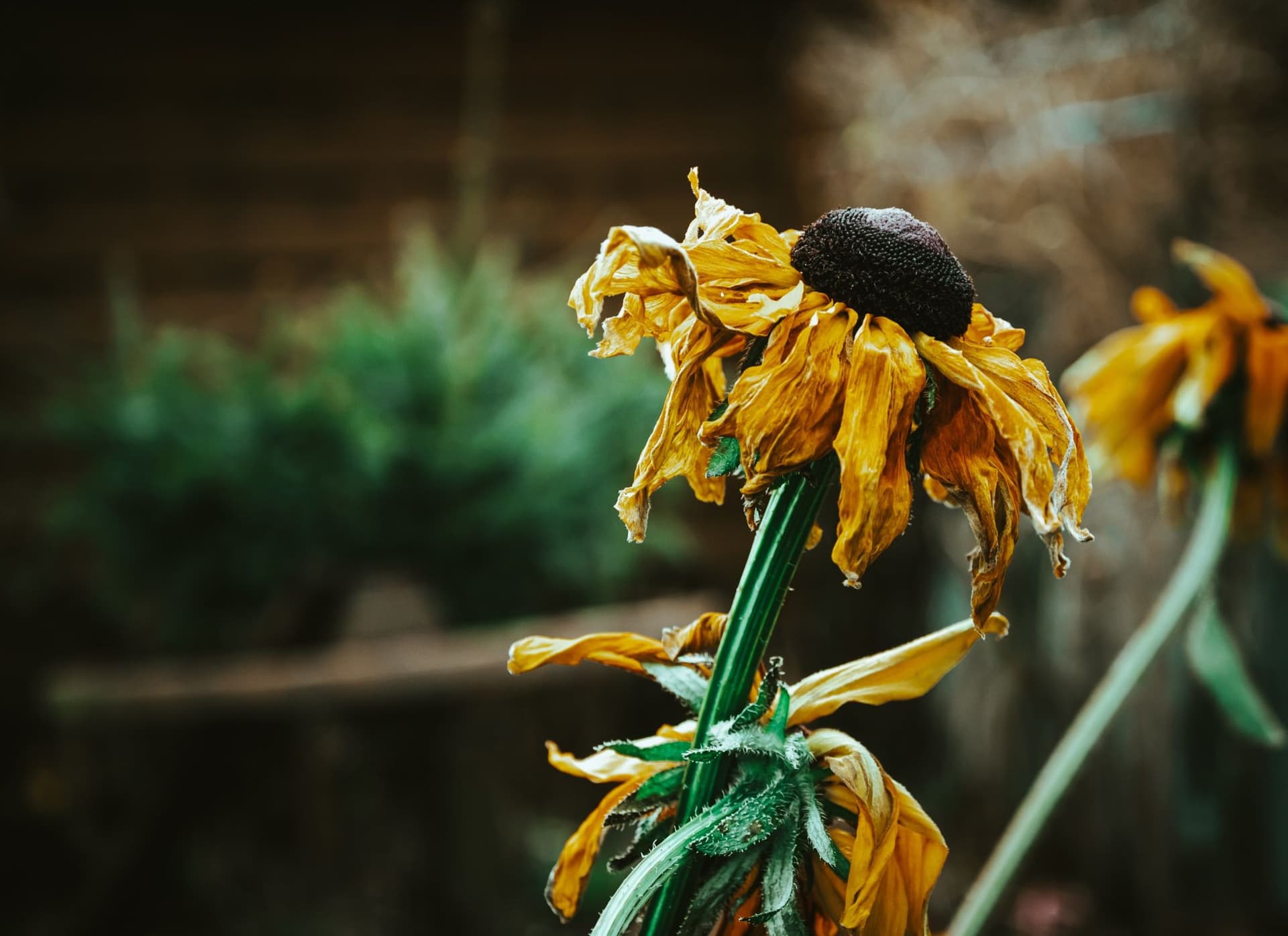
A plant can lose its leaves, stop growing, or collapse and still remain alive. A closer look at the stems, roots, bulbs, and tubers can show whether the plant still has a chance to recover.

Recognize Wintergreen by its low, creeping growth, upright leafy stems only a few inches tall, and simple alternate leaves that are oval to oblong with fine teeth along the edges.
Gaultheria procumbens also shows single, nodding, urn-shaped white flowers hanging from the leaf axils, where each leaf meets the stem.

Upload a clear image to check whether your plant ID is correct.
Clear images work best. Avoid photos taken too close or too far away
Check the plant’s low, creeping form and a few close leaf and fruit details.
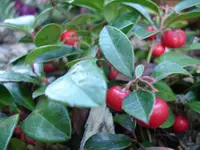
The combination of a mat-forming habit, small toothed leaves, and red berries is especially useful to confirm this species.
Gaultheria procumbens shows clear visual shifts from small shoots to fruiting groundcover colonies.
In early summer, Gaultheria procumbens becomes easier to spot when its small, nodding white to pale pink urn-shaped flowers appear beneath the leaves. By late summer into fall, bright red berries replace the flowers and often persist through winter. The evergreen leaves may take on bronzy or purplish tones in cold weather, while the low mounded form stays leafy rather than going bare.
A few low evergreen woodland plants are regularly mistaken for Wintergreen.
partridgeberry(Mitchella repens)
Both are creeping evergreens with red berries. Partridgeberry has paired leaves on trailing stems and berries with a small double scar at the tip. Gaultheria procumbens has alternate leaves and berries borne singly.
lingonberry(Vaccinium vitis-idaea)
Both have small glossy leaves and red berries. Lingonberry is a mat-forming shrub with berries in small clusters; its leaves are usually smaller, often 1/2 to 1 inch (1.3 to 2.5 cm) long. Wintergreen usually bears single berries and slightly larger leaves.
Gaultheria procumbens is native to eastern North America, from southeastern Canada south along the Appalachian region to Georgia and Alabama. It is usually found in acidic woodland habitats, especially pine-hardwood forests, oak woods, and forest edges. Seeing it in shaded, leaf-littered woods helps separate it from similar low evergreen groundcovers more typical of lawns, open wetlands, or dry rocky barrens.
Use Botan to identify or verify a plant from a photo, which helps avoid mix-ups before you label, buy, or share it.
The flowers are small, white, and urn-shaped, meaning they hang like tiny bells with a narrowed opening. They usually appear singly or in a few leaf axils, adding a useful detail for identifying Wintergreen.
Identify a plant from a photo with Botan, then review its profile, care information, and common problems.


6 min read · 19 Aug 2026
A plant can lose its leaves, stop growing, or collapse and still remain alive. A closer look at the stems, roots, bulbs, and tubers can show whether the plant still has a chance to recover.

11 min read · 29 Jul 2026
Learn which plants can be seriously damaged by Epsom salt and which will thrive on it. We’ll explain when and how to use it properly, provide tips for indoor & outdoor plants — read on and enjoy a healthy garden.

12 min read · 16 Jul 2026
Mosquitoes on the patio? Gnats in the kitchen? Some plants keep them away with the scent of their own leaves. Here are 20 that deal with mosquitoes, flies, aphids, and more, plus where to put them so they help.