

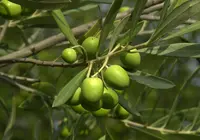

Oregon grape Identification (Berberis aquifolium)

Recognize Oregon grape by its leathery, pinnate leaves with 5 to 9 holly-like leaflets arranged along a central stalk.

It forms a low, many-stemmed evergreen shrub, usually 3 to 6 feet (0.9 to 1.8 m) tall, with dense clusters of small yellow flowers held at stem tips.

Berberis aquifolium Identification

Check Your Plant ID

Check your plant ID by uploading a clear photo to Botan.

Clear images work best. Avoid photos taken too close or too far away

Check for a dense, evergreen shrub with holly-like compound leaves.

  • Leaves are divided into 5-9 stiff, glossy leaflets set along a central stalk.
  • Each leaflet is oval to oblong with several sharp spine-tipped teeth along the edges.
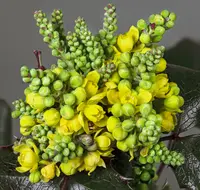
  • Flowers appear in tight clusters and are bright yellow, with 6 petals on each small bloom.
  • Berries form in bunches; they are round, blue to blue-black, and often show a dull whitish bloom.

Berberis aquifolium usually grows in a many-stemmed clump rather than on a single trunk.

Oregon grape shows clear visual differences between juvenile, flowering, fruiting, and mature stages.

  • Juvenile plant: Low, compact shoots carry fewer leaves and shorter stems. Leaflets are smaller, stiff, and sharply spined, giving a tighter, denser outline than older plants.
  • Mature plant: Older shrubs form multiple woody stems and a broader, layered shape, often reaching 3 to 6 feet (0.9 to 1.8 m) tall.
  • Flowering stage: Branch tips hold upright clusters of bright yellow flowers above the foliage, creating a more open, branched top than nonflowering shoots.
  • Fruiting stage: After flowering, the same terminal clusters become hanging groups of blue-black berries with a dull, waxy coating, replacing the bright floral display.

Oregon grape stays evergreen, so it usually keeps its holly-like leaflets through winter. In cold weather, the glossy green leaves often take on bronze, reddish, or purplish tones, which can make patches stand out in late fall and winter. In spring, clusters of bright yellow flowers become conspicuous above the foliage. By late summer to early fall, these are replaced by dusty blue berries with a whitish coating.

A few evergreen shrubs can be mistaken for Oregon grape at a glance.

holly-leaved barberry(Berberis julianae)

Confusion comes from glossy, spiny evergreen leaves. This barberry has simple leaves, not compound leaves with several leaflets. It also usually forms a denser, more upright shrub.

English holly(Ilex aquifolium)

It can resemble it because both have shiny, prickly evergreen foliage and dark berries. English holly has single leaves on woody twigs, not pinnate leaves with 5 to 9 leaflets, and its red berries differ from blue-black fruit.

Berberis aquifolium is native to western North America, especially from British Columbia south through Washington and Oregon into California, with inland populations extending into Idaho and Montana. It is most often found in coniferous and mixed woodlands, forest edges, and coastal scrub, usually in partial shade from low elevations to lower montane sites. That setting helps narrow identification, since this species is strongly tied to Pacific Northwest woodland habitats rather than dry interior desert or open prairie landscapes.

  • Sharp leaf spines: The holly-like leaf edges end in stiff spines. Skin contact can cause minor punctures or scratches in humans and pets when the plant is handled or brushed against.
  • Bark and root compounds: The bark and roots contain berberine and related alkaloids. Ingestion is the main concern and can be harmful to humans and pets, especially in larger amounts.

Scan. Check. Confirm.

Use Botan to identify or verify a plant from a photo when you want a faster, more confident answer.

FAQ

The quickest clue is the holly-like evergreen foliage: each leaf is compound, with several glossy leaflets edged by sharp spines. In spring, clusters of bright yellow flowers make identifying Oregon grape easier.

More Plant Identification Guides

Identify Your Plant with Botan

Identify a plant from a photo, then get plant details, care information, and common problems matched to the species.

Botan app identifying a plant from a photo
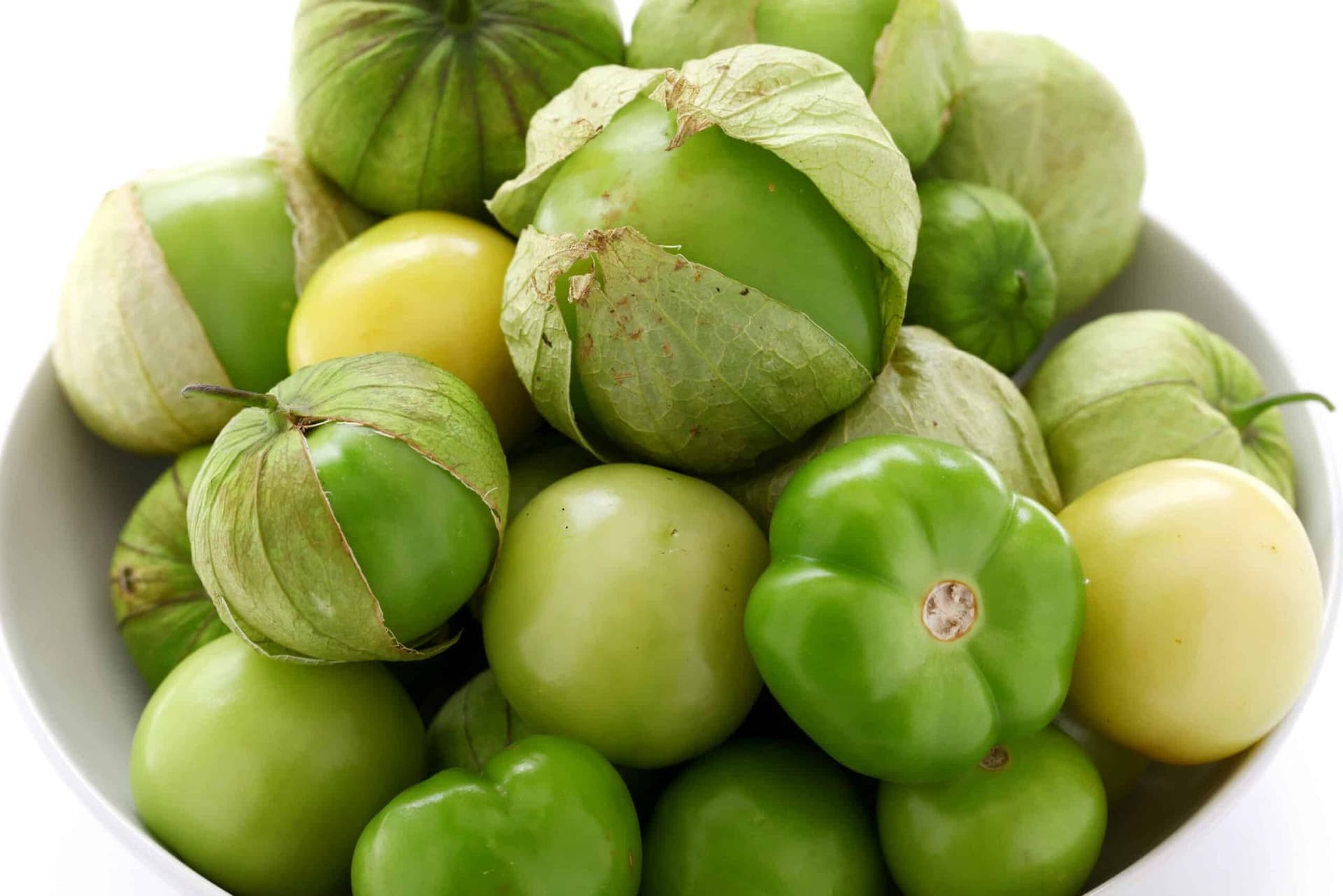
When to Harvest Tomatillos: How to Tell When They're Ripe

4 min read · 20 Oct 2026

When to Harvest Tomatillos: How to Tell When They're Ripe

Tomatillos grow inside papery husks, making it hard to judge ripeness at a glance. This guide explains how to know when tomatillos are ripe and offers practical advice on harvesting and storage.

Plant Recommendations
When to Harvest Tomatillos: How to Tell When They're Ripe
Planting Grass Seed in Summer – What Works and What Fails

7 min read · 6 Aug 2026

Planting Grass Seed in Summer – What Works and What Fails

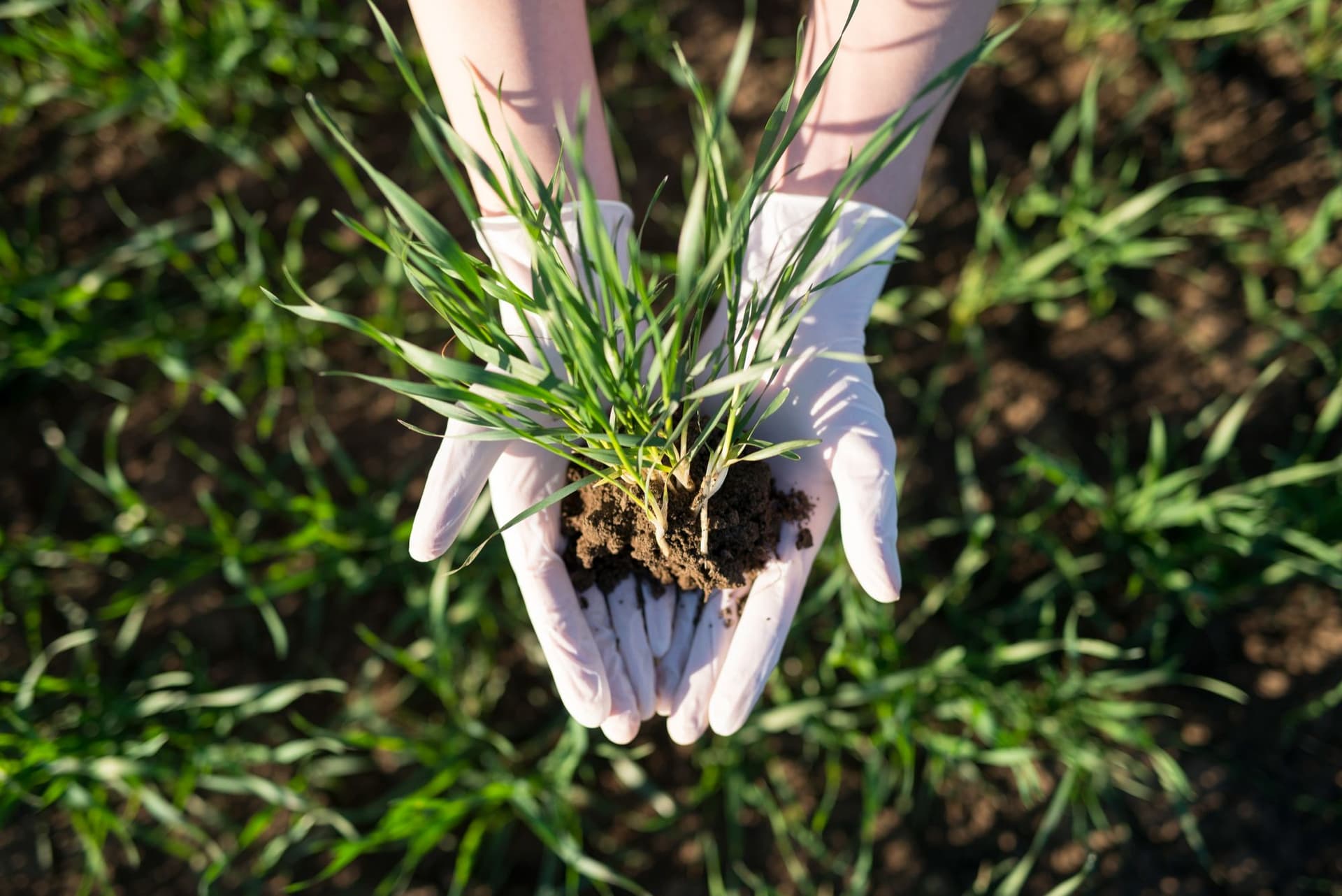
Summer seeding succeeds when the grass type suits the season, and the soil stays moist. Find out how to prepare the seedbed and choose a safe window for planting.

Plant Care
Planting Grass Seed in Summer – What Works and What Fails
Top 5 Best Indoor Plants for Air Quality

5 min read · 11 Sept 2026

Top 5 Best Indoor Plants for Air Quality

Indoor plants can make a room feel fresher thanks to their air-purifying qualities. Here are 5 of the most suitable choices for your routine and living space.

Plant Recommendations
Top 5 Best Indoor Plants for Air Quality