Seasonal repot timing
Schedule repotting for late winter to very early spring, just before new growth starts, to disturb roots less and maintain a strong flowering cycle when growing manaca.

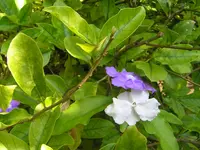
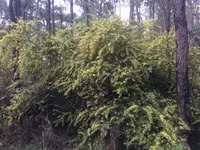
Manaca (Brunfelsia uniflora) is an evergreen shrub known for its purple flowers that fade to lavender and then white on the same plant. This color change gives it the common name yesterday-today-and-tomorrow.
It usually forms a rounded, bushy shape with dense foliage and a moderate growth rate, suitable for warm gardens or large containers. In nature, it occurs in tropical and subtropical regions of South America, especially Brazil.
The plant prefers bright light, mild temperatures, and evenly moist, well-drained soil. With stable conditions and protection from cold, it is a moderately easy plant to grow, especially if you learn how to care for manaca early on.

Care Difficulty
Moderate Care

Light Preference
Partial Shade

Water Requirements
Regular Water

Temperature Preference
Tropical / Frost Sensitive

Hardiness Zone
10–11

Soil Texture
Loamy, Sandy, Organic-rich

Soil pH
Acidic (5.5–6.5)

Soil Drainage
Moist but well-drained

Fertilization
Light (every 4–6 weeks)
Scan your plant to receive care tips personalized for your specific plant
Available on iOS and Android
Brunfelsia uniflora prefers bright, gentle light to flower well without leaf scorch.
This shrub prefers evenly moist, not soggy, soil that never stays dry for long periods.
This species grows best in mild, frost-free conditions with moderate seasonal variation.
This species benefits from moderately high humidity to maintain healthy foliage and flowers.
Brunfelsia uniflora prefers a loose, airy, and slightly acidic substrate that drains freely yet retains even moisture.
This shrub is well suited to container growing when given a stable, well-drained setup.
Brunfelsia uniflora benefits from moderate, consistent feeding during its active growing season.
Pruning supports compact growth and reliable flowering in Brunfelsia uniflora.
Container-grown plants and young shrubs benefit from thoughtful repotting or transplanting to maintain steady growth.
New Brunfelsia uniflora plants are most reliably produced from semi-ripe stem cuttings.
This subtropical shrub needs protection from freezing temperatures, especially in cooler regions.

Plant Health Check
Not sure what's wrong with your plant? Check your plant's health inside the app.
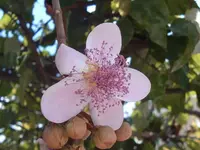
The flowers typically open deep violet, fade to pale lavender, and finally turn almost white over 2–3 days, so all three colors can appear on the same plant at once. This sequential color change is linked to shifts in floral pigments called anthocyanins as the flower ages.
The flowers release their strongest fragrance at night and in the early morning, which helps attract nocturnal pollinators such as moths. During the day, the scent is often noticeably weaker or almost absent.
In suitable climates this species produces its heaviest flush of flowers in late winter to spring, then may bloom again in smaller waves later in the warm season. The contrast between fresh purple buds and older white flowers makes the shrub especially ornamental at peak bloom.

In parts of Brazil and other regions of its native range, this species has escaped from cultivation and can naturalize along forest edges and disturbed sites, forming part of the understory layer in warm, humid habitats.
Lack of blooms often comes from insufficient light, heavy pruning at the wrong time, or low nutrients. Avoid cutting stems right after flowering, provide balanced fertilizer, and ensure several months of mild, stable conditions before bloom time.
Keep your plants happy and healthy with plant identification, disease detection, and easy care guidance.