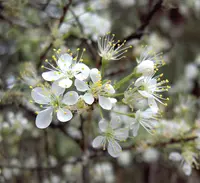
Briançon Apricot Care (Prunus brigantina)

Also known as: Alpine apricot
Briançon Apricot

About Briançon Apricot

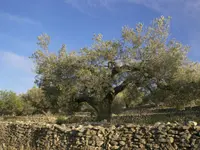
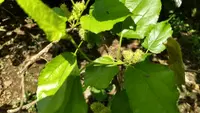
Briançon apricot, Prunus brigantina, is a hardy deciduous tree related to cultivated apricots and cherries. It typically has an upright habit with simple, serrated leaves and small, yellow to orange fruits. Native to mountainous regions of the south-western Alps, it is adapted to cool summers, cold winters, and rocky slopes. This background makes it relatively tough but less suited to hot, humid lowland climates. The species prefers full sun, well-drained, slightly alkaline soils, and benefits from a winter chill period. Gardeners who want to care for Briançon Apricot should understand it behaves more like a resilient, cool-climate orchard tree than a decorative indoor plant.

Main Plant Requirements

Care Difficulty

Moderate Care

Light Preference

Full Sun

Water Requirements

Moderate Water

Temperature Preference

Cold Hardy

Hardiness Zone

5–8

Soil Texture

Sandy, Loamy, Rocky

Soil pH

Acidic (5.5–6.5), Slightly acidic (6.5–7.0)

Soil Drainage

Well-drained

Fertilization

Minimal (feed rarely)

Get Personalized Care Plan

Scan your plant to receive care tips personalized for your specific plant

Available on iOS and Android

How to Care for the Briançon Apricot

This mountain apricot species needs abundant outdoor sun to flower and fruit well.

  • Provide 6–8 hours of direct sun daily; full sun is best, though light afternoon shade helps in hot, dry regions.
  • Young Briançon Apricot trees benefit from morning sun and slight midday filtering to reduce leaf scorch on exposed slopes.
  • In cool or high-altitude sites, prioritize maximum open exposure; in lowland heat, protect from reflected midday sun to avoid bark and fruit burn.

This species prefers evenly moist, well-drained soil and shows clear responses to drought or excess water.

  • Allow the top 3–5 cm of soil to dry before deep watering, aiming for slow soaking rather than frequent light splashes.
  • In spring and early summer, monitor new shoots; soft, wilting tips and dull leaves indicate drought stress, while yellowing leaves and soggy soil suggest overwatering.
  • Ensure free-draining, stony or loamy soil so excess water can drain away, particularly in winter when Prunus brigantina is dormant and more prone to root issues.

This hardy apricot tolerates cold mountain climates but grows best with moderate warmth during the season.

  • Active growth is strongest around 60–77°F (16–25°C), supporting good shoot extension and flower bud formation.
  • Dormant trees withstand drops near 0°F (−18°C) when hardened, but late spring frosts below 28°F (−2°C) can damage blossoms and young fruit.
  • In hot spells above 86°F (30°C), provide soil mulching and sufficient moisture, as prolonged heat over 95°F (35°C) can stress foliage and reduce fruit set.

This species copes well with typical outdoor humidity and usually does not need special management.

  • Target ambient humidity around 40–60% when possible, similar to most temperate outdoor conditions.
  • Leaves that curl, brown at the tips, or shed early in hot, very dry spells can indicate humidity stress in Briançon Apricot.
  • Increase local humidity in prolonged dry heat by using mulch over the root zone and providing shelter from strong, drying winds.

Prunus brigantina prefers a deep, well-drained, moderately fertile mineral soil.

  • Use a loamy or sandy-loam soil with some stable organic matter, such as compost, to support root development without becoming heavy.
  • Aim for slightly acidic to neutral pH, around 6.0–7.5, which maximizes nutrient availability and reduces the risk of micronutrient imbalances.
  • Improve drainage and aeration in compact or heavy ground by incorporating coarse sand or fine gravel through the top 20–30 cm before planting.
  • Avoid waterlogged, peat-heavy, or consistently soggy sites, which promote root rot and reduce oxygen availability to the root system.

This species can be grown in containers for a limited period, mainly as a young tree or patio specimen.

  • Choose a container with a broad, weighted base to prevent wind tipping as the canopy becomes denser and more top-heavy.
  • Select a pot deep enough to accommodate a strong taproot and structural roots, not just a shallow surface root mat.
  • Use a thick-walled, non-porous pot in hot, sunny positions to slow down moisture loss and reduce root-zone temperature swings.

This mountain apricot typically needs modest feeding, especially in lean soils or containers.

  • Apply a balanced slow-release fertilizer (e.g., 8-8-8 or 10-10-10) once in early spring as growth begins.
  • Supplement with a light layer of compost around the drip line to improve soil structure and microbial activity.
  • Use at 1/2 label strength for young or stressed trees to limit salt buildup and root burn.
  • Stop feeding Briançon Apricot by late summer and do not fertilize during winter dormancy.

Prunus brigantina benefits from light, purposeful pruning to maintain structure and tree health.

  • Schedule main pruning in late winter to very early spring, before bud break and active sap flow.
  • Remove dead, diseased, crossing, or inward-growing branches to improve airflow and light penetration.
  • Thin crowded interior shoots rather than shortening all tips, which helps maintain a natural form.
  • Use clean, sharp bypass pruners or a pruning saw, making cuts just outside the branch collar.

This species is usually grown in the ground, so focus on careful transplanting of young trees.

  • Transplant in early spring or early fall, when temperatures are mild and soil is workable.
  • Look for roots circling the container, water running off quickly, or slowed shoot growth as signs it has outgrown its pot.
  • Plan on stepping up container size every 2–3 years for young trees, using a well-drained loam-based mix.
  • Loosen circling roots gently, keep the root ball slightly moist, and water deeply after planting to reduce stress.

Propagation of Prunus brigantina is possible but more technical than many garden shrubs.

  • Sow seeds in fall or after 2–3 months of cold, moist stratification at 34–41°F to break dormancy.
  • Take semi-hardwood cuttings in midsummer, use a rooting hormone, and place in a coarse, well-drained medium.
  • Maintain cuttings in bright, indirect light at 68–75°F with high humidity until roots form.
  • Young seedlings or rooted cuttings should be hardened off gradually outdoors before permanent planting.

This cold-hardy species usually manages winter well in the ground with minimal intervention.

  • Tolerates typical frost and snow in temperate climates once established, especially in well-drained soil.
  • Apply 5–8 cm of organic mulch around the root zone, keeping it a few cm away from the trunk.
  • Wrap the lower trunk of young trees with a breathable guard in harsh sites to limit sunscald and cracking.
  • Move container-grown plants into a sheltered, unheated garage or cold frame where roots stay above about 20°F.

Care Tips

Wind‑firm training

In the first 3–4 years, stake young trees on the windward side and gradually loosen ties each season to encourage a sturdy, tapered trunk that tolerates mountain or open-site winds well.

Early blossom protection

In regions with late frosts, cover the canopy with breathable horticultural fleece on nights forecast below 28–30°F during bloom to protect flowers and preserve the potential fruit set.

Targeted crown thinning

Once established, thin out some small interior branches every 2–3 years to improve air flow and light penetration, which reduces fungal pressure and helps fruit color evenly.

Trunk and graft guarding

Use a white, ventilated trunk guard or a coat of interior white latex paint diluted 1:1 with water on the lower trunk to reduce sunscald and winter bark splitting, especially on young trees.

Wildlife and rodent control

Install a rigid mesh cylinder 5–8 cm from the trunk base and secure it into the soil to prevent bark damage from rabbits, voles, and deer, which is critical when growing Briançon Apricot in rural or edge-of-woodland sites.

Common Pests and Diseases

European stone fruit aphid

This pest forms dense colonies on young shoots and leaf undersides, sucking sap and causing curling, distortion, and sticky honeydew that can lead to sooty mold.

Solution

Prune out heavily infested shoot tips, then wash remaining colonies off with a strong stream of water and, if needed, treat soft tissue with insecticidal soap or a light horticultural oil, repeating every 5–7 days until new growth appears clean.

Green peach aphid

This pest targets tender foliage and flower buds, weakening trees and potentially transmitting viral diseases while leaving sticky honeydew on leaves and fruitlets.

Solution

Monitor young growth in spring, remove and destroy infested shoots when practical, and use insecticidal soap or neem oil on colonies, ensuring thorough coverage of leaf undersides and avoiding treatments during high heat or full sun.

Shot hole (Coryneum blight)

This disease causes purple to brown leaf spots that dry out and fall, leaving small round holes, and can also mark fruit and twigs with sunken lesions.

Solution

Collect and destroy fallen leaves, prune out infected twigs during dry weather, improve airflow by keeping the canopy thinned, and in regions with frequent spring rain consider using a labeled copper-based fungicide at bud break and after flowering as part of broader Prunus brigantina care instructions.

Brown rot

This disease affects blossoms, shoots, and fruit, leading to blossom blight, twig dieback, and brown, rotting fruit that can develop gray spore masses and persist as mummified fruit on branches.

Solution

Remove and destroy all mummified fruit and blighted twigs, avoid overhead irrigation during bloom and fruit development, thin fruit to improve air circulation, and in high-pressure areas apply an appropriate fungicide at early bloom and pre-harvest according to label directions.

Bacterial canker

This disease produces sunken, gummy cankers on branches and trunk, often following frost or pruning wounds, and can cause dieback of young shoots and spurs.

Solution

Prune out affected branches well below visible symptoms during dry weather, disinfect tools between cuts, avoid pruning during wet or very cold conditions, and maintain tree vigor through proper watering, mulching, and avoidance of excessive nitrogen fertilization that promotes very soft, susceptible growth.

Interesting Facts

Alpine apricot relative

This species is a wild apricot tree native to the south‑western Alps of France and Italy, where it grows naturally on dry, rocky mountain slopes and open woodland edges at mid to high elevations.

Distinctive leaf morphology

Its leaves are notably narrower and more lance-shaped than those of the common apricot Prunus armeniaca, a trait botanists use to distinguish it in the field along with its finely serrated leaf margins.

Genetic link to apricots

Molecular studies show that this species is closely related to cultivated apricots and has been considered a potential wild genetic resource for breeding work on stress tolerance and disease resistance.

Botan icon

Did you know?

The species has a very restricted natural range in the Briançon area and nearby Alpine valleys and is considered regionally rare, which has made its remaining native stands of particular interest for conservation and for studying the evolution of wild apricot lineages in Europe.

FAQs about Briançon Apricot

Growth is moderate. Young trees usually add about 20–40 cm in height per year under good conditions, slowing as they mature. Cooler climates and poor soil reduce extension growth, while deep, well-drained soil and adequate moisture increase it.

Grow Healthy Plants with Botan Care

Keep your plants happy and healthy with plant identification, disease detection, and easy care guidance.

Botan plant care app — identify plants on mobile

Explore More Plants