water pepper Care (Persicaria hydropiper)

Also known as: marshpepper smartweed, marshpepper knotweed
water pepper

About water pepper

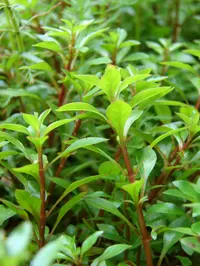
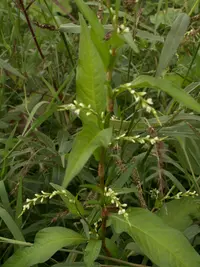
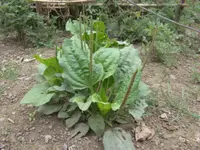
Water pepper (Persicaria hydropiper) is a fast-growing annual herb often found along streams, ponds, wet fields, and ditches. It naturally forms loose clumps or patches in damp, open ground. Slender stems carry narrow, lance-shaped leaves, and the plant produces thin, drooping spikes of small greenish or pink-tinged flowers. The foliage and seeds have a sharp, peppery taste, which has led to occasional culinary and folk uses. It prefers full sun to light shade, consistently moist soil, and cool to mild conditions. Under the right moisture and light, it grows easily and can spread quickly, so care for water pepper typically focuses on placement and controlling its spread.

Main Plant Requirements

Care Difficulty

Moderate Care

Light Preference

Partial Sun

Water Requirements

Aquatic

Temperature Preference

Cold Hardy

Hardiness Zone

4–9

Soil Texture

Loamy, Silty, Organic-rich

Soil pH

Acidic (5.5–6.5), Slightly acidic (6.5–7.0)

Soil Drainage

Waterlogged tolerant

Fertilization

Minimal (feed rarely)

Get Personalized Care Plan

Scan your plant to receive care tips personalized for your specific plant

Available on iOS and Android

How to Care for the water pepper

This moisture-loving herb prefers bright conditions but not harsh, drying sun.

  • Provide 4–6 hours of sun, ideally with gentle morning sun and light afternoon shade along streambanks or pond edges.
  • Tolerates partial shade at 2–4 hours of dappled light, but stems may elongate and leaves may be less dense in deep shade.
  • In hot summers, protect water pepper from strong midday sun to reduce leaf scorch and moisture loss, especially in shallow, exposed sites.

This semi-aquatic species needs constantly moist to saturated conditions to stay healthy.

  • Keep soil or substrate consistently wet; in the ground, allow water to reach just at or above the soil surface, never letting the top 1–2 cm fully dry.
  • In slow-moving water or very wet beds, ensure some water exchange or drainage to prevent foul odor, slimy coatings, and root rot symptoms.
  • During hot, windy weather, monitor daily for wilting or drooping tips as a sign more water or higher water level is needed, especially in shallow margins.

This plant favors cool to mild conditions but copes with a fairly broad outdoor temperature range.

  • Optimal active growth occurs around 60–75°F (16–24°C), especially when combined with consistent soil moisture or shallow standing water.
  • Tolerates heat up to about 86°F (30°C) if roots remain submerged or saturated; above this, expect faster wilting and possible leaf scorch in full sun.
  • Survives down to about 23°F (-5°C) with dieback of top growth; in colder winters, mulched, wet soil helps the crown overwinter and regrow in spring.

This species prefers consistently moist air, but humidity is less critical than soil wetness.

  • Aim for 50–70% humidity, which matches the damp habitats where water pepper naturally occurs.
  • Plants tolerate slightly drier air if soil stays saturated, but extended exposure below 40% may slow growth.
  • Humidity stress shows as limp, dull foliage and marginal browning; group plants or place near a humid water feature to raise humidity.

This plant thrives in saturated, oxygen-poor soils that mimic shallow margins of ponds or slow streams.

  • Use a heavy loam or clay-based mix with high organic matter, such as garden loam blended with 30–40% compost.
  • Allow very slow drainage or even standing water; place containers in trays of water to keep the root zone constantly wet.
  • A neutral to slightly acidic pH around 6.0–7.0 suits Persicaria hydropiper in most garden conditions.
  • Avoid sandy, fast-draining, or peat-only mixes that dry quickly, and never allow the substrate to become fully dry.

This species can grow in containers if the pot is managed to keep the root zone consistently wet without tipping over.

  • Choose a deep, squat container that resists tipping as stems elongate and the plant spreads outward.
  • Select sturdy plastic or glazed ceramic pots, which slow evaporation and help maintain a saturated substrate.
  • Use only one or very few drainage holes, and stand the container in a shallow, always-filled tray to maintain waterlogged conditions.

This moisture-loving species needs only light feeding in most garden soils.

  • Use a balanced liquid fertilizer at 1/4–1/2 strength if growth appears weak in poor soil.
  • Apply every 4–6 weeks during the main growing season, then stop feeding in fall.
  • In richer beds, a thin layer of compost in spring is usually sufficient for caring for water pepper.
  • Avoid high-nitrogen fertilizers that can cause soft, floppy growth.

Pruning Persicaria hydropiper helps keep dense stands manageable and encourages fresh growth.

  • Cut back dead, damaged, or weak stems in early spring before vigorous new shoots emerge.
  • Shear or trim back straggly growth after flowering to maintain a compact, tidy outline.
  • Thin crowded stems at the base with clean hand pruners to improve airflow in wet sites.
  • Dispose of cut material to limit unwanted self-seeding along waterways or damp beds.

This plant is more often transplanted in the ground than kept long term in containers.

  • Transplant in early spring or early fall when temperatures are mild and soil is moist.
  • Shift container plants if roots circle the pot, water drains poorly, or growth slows noticeably.
  • Move into a slightly larger pot or new bed with consistently damp, fertile soil to limit shock.
  • Water thoroughly before and after moving, and shade for a few days to reduce root stress.

Persicaria hydropiper is commonly multiplied by seed and simple vegetative methods.

  • Sow fresh seed in fall or very early spring outdoors; natural winter chilling improves germination.
  • Take 8–10 cm soft stem cuttings in late spring, then root in moist, low-nutrient substrate under bright shade.
  • Divide established clumps in spring, replanting divisions at the same depth in wet soil.
  • Keep new plants evenly moist at all times so young roots do not dry out.

This species is generally cold hardy in temperate climates and needs minimal winter care in the ground.

  • In very cold regions, leave a 3–5 cm mulch layer over the root zone to buffer freeze–thaw cycles.
  • Expect top growth to die back after hard frosts while underground parts overwinter and resprout.
  • For container plants in zones with severe freezes, move pots into a cold, frost-free garage or shed.

Care Tips

Use Shallow Trays

Grow plants in broad, shallow trays or tubs so roots can spread horizontally in consistently wet substrate, which reduces stress during brief dry spells.

Edge Containment

Sink solid edging 10–15 cm deep around beds to limit rhizome and self-seeded spread, making long‑term management of water pepper patches much easier.

Timed Harvesting

Harvest young shoots and leaves regularly before flowering to keep growth tender and to prevent excessive self‑seeding that can create unwanted colonies.

Controlled Wetted Area

In containers or bog beds, keep only the root zone saturated and avoid standing water over foliage to reduce fungal leaf spots under warm, still conditions.

Progressive Thinning

Thin crowded stands in stages over several weeks instead of removing large clumps at once, which keeps soil shaded and stable while still controlling density when growing water pepper.

Common Pests and Diseases

Leaf spot fungi

This disease causes small water-soaked lesions on leaves that expand into brown or olive spots, often with a yellow halo, especially in warm, wet conditions. Symptoms include premature yellowing and shedding of older leaves along damp stream edges or in flooded beds.

Solution

Remove and discard heavily spotted leaves to reduce spore spread, and avoid overhead watering or continuous splashing in cultivation tanks. Improve spacing and water movement so foliage dries faster, and if grown in production or collections, use a labeled copper-based fungicide as a preventive spray during prolonged wet periods.

Rust

This disease produces orange to brown powdery pustules on the undersides of leaves, with pale or yellow speckling visible on the upper surface. Symptoms include gradual thinning of foliage and reduced vigor, especially on dense patches in humid sites.

Solution

Cut back and discard infected stems and leaves to remove most of the rust spores, and avoid crowding plants to improve airflow. In nursery or display settings, apply a sulfur or other rust-labeled fungicide at the first sign of pustules and repeat as directed if humid conditions persist.

Aphids

These insects cluster on young shoots and undersides of leaves, sucking sap and causing curling, distortion, and sticky honeydew that can lead to sooty mold. This pest often builds up quickly on lush, nitrogen-rich growth along wet margins.

Solution

Wash colonies off with a firm stream of water or dunk cut stems in clean water to dislodge insects for small-scale setups. Encourage or introduce natural predators like lady beetles outdoors, and on persistent infestations use an insecticidal soap or horticultural oil, making sure to wet the undersides of leaves and repeat at 5–7 day intervals as needed.

Leaf beetles

These insects chew irregular holes or windows in leaves, sometimes leaving only the midribs on heavily fed plants along ponds and slow streams. This pest can quickly skeletonize foliage on young or newly established stands.

Solution

Hand-pick adults and larvae from accessible plants and drop them into soapy water, especially in small plantings. Where feeding is severe, protect valuable patches with floating row covers during peak beetle activity or use a targeted contact insecticide labeled for leaf beetles, applied in the evening to reduce impact on pollinators.

Interesting Facts

Strong peppery taste

The leaves and young shoots have a pronounced hot, pepper-like taste due to pungent compounds that can irritate mucous membranes when eaten in quantity.

Shallow water specialist

This species commonly grows along muddy banks, ditches, and shallow water margins, tolerating periodic flooding and low-oxygen, waterlogged soils better than many other herbaceous plants.

Annual with high seed set

As an annual, it completes its life cycle in a single season and typically produces many small seeds that help it quickly colonize disturbed, wet habitats.

Botan icon

Did you know?

Historically, in parts of Europe and Asia, the fresh, very pungent leaves were used as a traditional flavoring in food and as a substitute for black pepper when that spice was scarce, contributing to its common name water pepper.

FAQs about water pepper

Yellowing leaves usually come from waterlogged soil, nutrient-poor substrate, or natural aging of older foliage. Check drainage, avoid constant flooding without oxygen, and consider a balanced fertilizer if new growth is pale and weak.

Grow Healthy Plants with Botan Care

Keep your plants happy and healthy with plant identification, disease detection, and easy care guidance.

Botan plant care app — identify plants on mobile

Explore More Plants