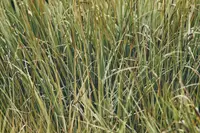
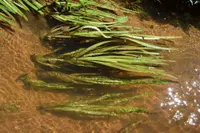
opposite stonewort Care (Chara contraria)

opposite stonewort

About opposite stonewort

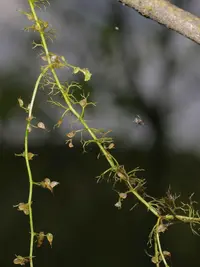
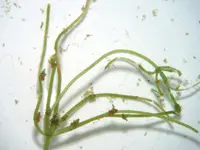
Opposite stonewort, Chara contraria, is a submerged green alga that often resembles a delicate underwater plant. It forms bushy, branched tufts with jointed stems and whorls of forked branchlets.

It typically grows in clear, still or slow-moving freshwater such as ponds, ditches, and quiet lake margins, often on soft, fine sediments. The plant is relatively sensitive to water quality and prefers clean, low-nutrient conditions, which can make it harder to maintain in artificial ponds or aquaria.

For those who wish to care for opposite stonewort, stable cool water, moderate light, and minimal disturbance are usually important for long-term growth and persistence.

Main Plant Requirements

Care Difficulty

Moderate Care

Light Preference

Partial Sun

Water Requirements

Aquatic

Temperature Preference

Cool Climate

Hardiness Zone

Unknown

Soil Texture

Silty, Organic-rich

Soil pH

Slightly alkaline (7.0–7.5), Alkaline (7.5–8.5)

Soil Drainage

Waterlogged tolerant

Fertilization

Minimal (feed rarely)

Get Personalized Care Plan

Scan your plant to receive care tips personalized for your specific plant

Available on iOS and Android

How to Care for the opposite stonewort

This submerged alga prefers bright, stable light to support dense, healthy growth.

  • Provide 6–10 hours of sunlight daily in shallow, clear water, ideally with gentle morning or filtered sun through overhanging vegetation.
  • Opposite stonewort tolerates light to moderate shade, but stems become longer and sparser if light falls below about 4 hours per day.
  • Avoid intense, unshaded afternoon sun in very shallow water, which can cause overheating and algae overgrowth, especially in midsummer.

Chara contraria is fully aquatic and depends on stable, clean water conditions rather than soil moisture.

  • Keep plants fully submerged in still or slow-moving water, avoiding strong currents that can uproot or break fragile stems.
  • Maintain clear, low-nutrient water; overfertilized or polluted water encourages filamentous algae that can smother Chara contraria.
  • Watch for yellowing or decaying stems as signs of poor water quality, low oxygen, or buildup of organic debris and adjust filtration or water exchange.

This aquatic species prefers cool to mild water temperatures and declines in extreme heat or hard frost.

  • Optimal growth occurs around 59–72°F (15–22°C), typical of cool ponds, lakes, and slow streams in spring and early summer.
  • It tolerates down to about 41°F (5°C) in winter water but is sensitive to sudden freezing of shallow margins and ice scouring.
  • Sustained temperatures above 77–82°F (25–28°C) reduce vigor, increase respiration stress, and favor competing algae, so provide deeper or shaded water in hot weather.

This fully aquatic alga depends on water conditions rather than air humidity, so ambient humidity is not a meaningful care factor.

Chara contraria anchors in soft underwater sediments rather than typical potting soil.

  • Provide a shallow layer of fine, silty or clay-rich sediment mixed with decomposed organic matter at the bottom of the water container.
  • Ensure the sediment stays fully submerged under clean, low-nutrient, non-polluted water, which is critical for stable growth.
  • Aim for slightly alkaline conditions, with pH around 7.2–8.2, similar to hard freshwater lakes or ponds.
  • Avoid coarse gravel-only substrates, highly enriched garden soil, or substrates that release fertilizer rapidly, which encourage competing algae and reduce Chara contraria growth.

This species can be grown in containers as an underwater culture rather than a conventional potted plant.

  • Use a wide, shallow tub or aquarium so the plant can spread laterally and light penetrates easily to the sediment surface.
  • Choose a rigid container material that does not flex, which helps keep fine sediment settled and reduces clouding when the water is disturbed.
  • Fill the container slowly along a side wall to avoid stirring up the sediment and to keep anchoring stems from floating loose.

Chara contraria usually grows in low‑nutrient water and rarely benefits from added fertilizer in managed ponds or aquaria.

Chara contraria benefits from light pruning in managed water bodies to maintain healthy, balanced growth.

  • Trim excess or overgrown strands during active growth, typically spring to early autumn, to keep mats from becoming too dense.
  • Remove visibly decaying, pale, or fouled segments to limit organic buildup and maintain water quality.
  • Use clean scissors or aquascaping shears, cutting just above healthy nodes, and avoid disturbing sediment heavily.
  • Discard removed material from natural waterways to prevent unwanted spread to other sites.

This aquatic alga is not conventionally repotted but can be transplanted within ponds, lakes, or aquaria when needed.

  • Transplant when growth stalls, mats become too thick, or the stand needs redistributing in the water body.
  • Best timing is during stable, mild conditions in spring or early summer, avoiding extreme heat or cold swings.
  • Gently lift clumps with minimal sediment disturbance, then place into similar depth and substrate composition nearby.
  • Handle slowly to limit mechanical damage and allow water to clear before further adjustments to reduce additional stress.

Chara contraria is commonly propagated by vegetative fragmentation rather than by seed‑like oospores in practical culture.

  • Take healthy green sections during warm, stable conditions when the plant is actively growing.
  • Anchor fragments lightly into soft sediment or weight them so they remain in place on the substrate.
  • Provide clear, low‑nutrient water, moderate light, and gentle water movement to support attachment and new branch formation.
  • Monitor for healthy, firm, rough‑textured stems, thinning crowded patches so new growth receives adequate light.

In many temperate climates, opposite stonewort is cold hardy and usually requires no special winter care in outdoor water bodies.

Care Tips

Gentle Water Movement

Provide slow, uniform water circulation in the tank or pond using a low-flow pump or air stone, as gentle flow keeps filaments clean, distributes nutrients, and prevents detritus from smothering the plant.

Substrate Particle Choice

Use a thin layer of fine sand over a firmer, mineral-rich base so the holdfasts can anchor securely while reducing the risk of organic sludge building up around the stems.

Manage Competing Algae

Limit dissolved nutrients and maintain stable CO2 levels to favor this charophyte over fast-growing nuisance algae, and remove filamentous algae manually before it tangles into the plant.

Seasonal Biomass Harvest

Thin dense mats by hand or with a soft rake in late summer to early fall, which maintains water flow, reduces internal shading, and prevents large die-offs that could foul the water.

Water Quality Monitoring

Test hardness, pH, and conductivity regularly and keep a simple log, adjusting top-up water gradually so the chemical environment remains stable while growing opposite stonewort.

Common Pests and Diseases

Epiphytic filamentous algae

This disease appears as dense green filaments growing over the Characeae thallus, shading it and competing for nutrients. Symptoms include reduced vigor, pale internodes, and smothered branchlets.

Solution

Manually remove filamentous mats with a fine net or by gentle twirling on a stick, then reduce nutrient loading by limiting fish feed and controlling agricultural or garden runoff into the water body. Increasing water movement and, where appropriate, adding natural shade (floating plants) can also suppress excessive filamentous growth while still allowing light for growing opposite stonewort.

Oomycete infection

This disease is caused by water molds such as Pythium- or Saprolegnia-like organisms attacking weakened tissues, leading to soft, decomposing sections and collapse of shoots. Symptoms include localized whitening, a cottony appearance, and rapid disintegration of affected areas.

Solution

Remove and discard infected fragments promptly to limit spread, and improve water quality by lowering organic load, avoiding overstocking of fish, and increasing gentle circulation. Maintaining cooler, well-oxygenated, low-organic water reduces stress on Chara contraria and makes conditions less favorable for oomycetes.

Herbivorous snails

These insects do not occur, but freshwater snails can graze heavily on tender branchlets, leaving shredded or missing segments and slowing regrowth. Symptoms include irregular bite marks and thinning of dense stands near snail feeding areas.

Solution

Manually remove larger snails by hand or using snail traps, and avoid overfeeding fish, which boosts snail populations through increased detritus. In managed ponds or aquaria, introducing snail-eating fish or invertebrates that are compatible with the system can help reduce grazing pressure.

Chironomid larvae damage

This pest consists of non-biting midge larvae that burrow into or attach to stems, weakening tissues and sometimes causing breakage and lodging of the alga. Symptoms include small feeding scars, hollowed segments, and increased fragility of older shoots.

Solution

Siphon or net out organic debris where larvae shelter, and maintain moderate water flow to disturb larval habitats. Encouraging natural predators such as small insectivorous fish can help keep larvae populations at levels that do not significantly damage Chara contraria stands.

Interesting Facts

Strong lime encrustation

In nutrient-rich, hardwater lakes, this species often becomes heavily encrusted with calcium carbonate, giving the plant a rough, almost stony feel compared with many other charophytes in the same habitat.

Distinctive branchlet pattern

It can be recognized in the field by its regularly opposite or whorled branchlets that are usually 6 in a whorl, a key trait used by phycologists to distinguish it from closely related Chara species.

Tolerance of eutrophic water

Unlike several sensitive stoneworts, this species is relatively tolerant of moderately eutrophic conditions and can persist in lakes and ditches that receive elevated nutrient inputs, where more demanding charophytes disappear.

Botan icon

Did you know?

Chara contraria is considered a useful bioindicator species in freshwater ecology, because its presence and growth form can help specialists interpret both past and present water chemistry, such as hardness and nutrient status, in lakes and slow-flowing waters.

FAQs about opposite stonewort

Growth is usually moderate, with shoots extending a few cm per week in favorable conditions. Clear, shallow, nutrient-poor water with stable temperature and light supports the best growth, while shade, turbidity, or pollution slow development.

Grow Healthy Plants with Botan Care

Keep your plants happy and healthy with plant identification, disease detection, and easy care guidance.

Botan plant care app — identify plants on mobile

Explore More Plants