arroyo fameflower Care (Talinopsis frutescens)

arroyo fameflower

About arroyo fameflower

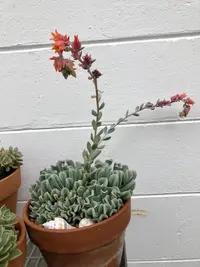
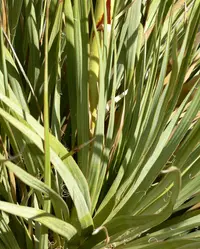
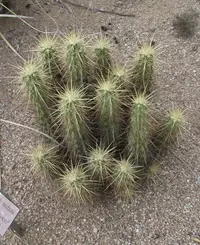
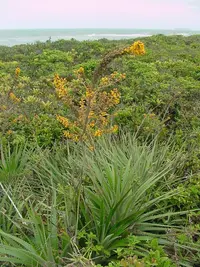
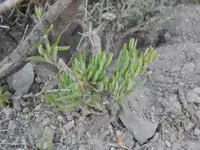
Arroyo fameflower, Talinopsis frutescens, is a small, clumping succulent native to arid regions of the southwestern United States and northern Mexico. It typically forms low mats of narrow, fleshy leaves.

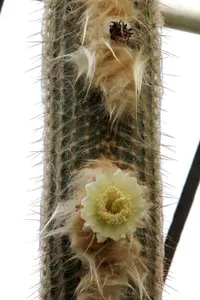
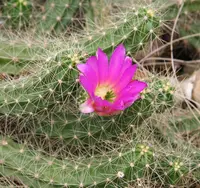
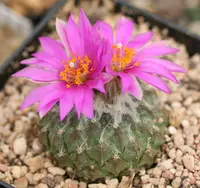
The plant produces delicate, star-shaped pink to magenta flowers that open in the afternoon, adding brief but striking color. Its compact growth habit suits rock gardens, shallow containers, and xeric plantings.

This species is adapted to strong sun, sharp drainage, and low, infrequent moisture, which makes it relatively easy to maintain in dry conditions. Understanding how to care for arroyo fameflower mainly involves avoiding excess water and heavy, poorly drained soils.

Main Plant Requirements

Care Difficulty

Easy Care

Light Preference

Full Sun

Water Requirements

Low Water

Temperature Preference

Warm Climate

Hardiness Zone

8–10

Soil Texture

Sandy, Rocky, Loamy

Soil pH

Slightly acidic (6.5–7.0), Neutral (7.0)

Soil Drainage

Well-drained

Fertilization

Minimal (feed rarely)

Get Personalized Care Plan

Scan your plant to receive care tips personalized for your specific plant

Available on iOS and Android

How to Care for the arroyo fameflower

This desert succulent thrives with strong light and benefits from as much sun as your climate allows.

  • Provide 6–8 hours of direct sun daily; full sun is ideal in most arid or semi-arid regions where arroyo fameflower naturally occurs.
  • In very hot climates, give morning sun and light afternoon shade to prevent leaf scorch and overly rapid drying of the root zone.
  • In winter, ensure an unshaded, south-facing exposure outdoors so the plant maintains compact growth and continues to form flower buds.

This species prefers infrequent, deep watering and fast-drying soil.

  • Water only when the top 3–5 cm of soil are completely dry; in hot, dry weather this may be every 7–14 days, less often in cool periods.
  • Use very gritty, fast-draining soil or rocky ground so excess water runs off quickly, preventing root rot in Talinopsis frutescens.
  • Signs of overwatering include soft, translucent stems and sudden collapse; slight wrinkling and dull, thin leaves signal it is time to water.

This heat-loving succulent prefers warm, dry conditions and does poorly in cold, wet weather.

  • Aim for active growth in 70–90°F (21–32°C), with good air movement to prevent overheating of the shallow root zone.
  • The plant tolerates brief dips to about 25°F (−4°C) if soil is dry, but repeated freezes increase the risk of tissue damage and rot.
  • Protect from hard frost and freezing rain; in very hot spells above 100°F (38°C), light afternoon shade helps limit stress and sunscald.

This desert succulent handles very dry air and usually does not need humidity adjustment in homes.

This species needs very fast-draining, mineral-rich soil to avoid root rot.

  • Use a gritty, sandy mix such as 50% cactus soil with 50% pumice, coarse perlite, or horticultural grit.
  • Aim for slightly acidic to neutral pH around 6.0–7.0, avoiding strongly alkaline substrates unless locally typical for Talinopsis frutescens.
  • Ensure large, open pores in the mix so water drains through in seconds and roots receive plenty of air.
  • Avoid peat-heavy, compact, or water-retentive mixes that stay damp longer than 1–2 days after watering.

This compact succulent is well suited to container growing.

  • Choose a shallow, wide pot so the spreading, shallow roots can anchor and dry quickly between waterings.
  • Use unglazed clay if extra evaporation is needed, as it wicks moisture away faster than plastic or glazed ceramic.
  • Elevate the pot on feet or a stand so drainage holes stay clear and runoff leaves the container area quickly.

This desert succulent needs only light feeding to stay healthy and flowering.

  • Use a low-dose balanced succulent fertilizer (around 10-10-10) or very dilute general balanced NPK during spring–summer growth.
  • Feed once every 6–8 weeks; skip feeding if growth looks strong and foliage is firm.
  • Dilute liquid fertilizer to 1⁄4–1⁄2 strength to avoid root burn in arroyo fameflower.
  • Do not fertilize in winter dormancy; resume only when new growth appears.

Talinopsis frutescens needs minimal pruning, mainly for tidiness and plant health.

  • Best time is late winter to early spring, just before active growth resumes.
  • Snip off dead, damaged, or shriveled stems with clean, sharp scissors or small pruners.
  • Remove crowded or crossing shoots to open the clump and improve airflow and light penetration.
  • Light shaping after flowering can maintain a compact cushion without reducing future blooms.

This small succulent is slow-growing and rarely needs frequent repotting or transplanting.

  • Check for roots circling the pot, crowded rosettes, or slowed growth as signs a larger container is useful.
  • Plan repotting or outdoor transplanting in late spring, once cold nights are past and soil warms.
  • Expect to move it only every 3–4 years, choosing a shallow, fast-draining cactus or succulent mix.
  • Minimize root stress by handling the root ball gently, keeping roots dry, and shading the plant for a few days after moving.

Propagation of this species is commonly done by stem cuttings and seeds under warm, bright conditions.

  • Take short, non-flowering stem cuttings in late spring or summer and let cut ends callus for 2–3 days.
  • Set cuttings in gritty, barely moist cactus mix and keep in bright, indirect light until roots form.
  • Sow seeds on the surface of well-draining mix; keep warm (70–80°F), bright, and slightly moist.
  • Improve success by avoiding heavy watering, providing good airflow, and using clean tools and containers.

This succulent is not very frost tolerant and needs some winter protection, especially in cold climates.

  • In the ground, use a very well-draining site and a light gravel mulch to keep the crown dry in winter.
  • Move containers indoors or into a bright, frost-free space when temperatures approach 32°F.
  • Water sparingly in winter, allowing the mix to dry fully between light waterings to prevent root rot.

Care Tips

Root zone containment

Grow this mat-forming succulent in a wide, shallow pot or a buried container ring outdoors to limit lateral spread and make clump division and renewal much easier over time.

Summer flowering boost

Pinch off the first flush of spent flowers promptly so the plant redirects energy into producing additional blooms during the warm season instead of setting seed too early.

Winter rain protection

In regions with cool, wet winters, place a simple clear cover or move containers under a rain shield to keep the crown and roots from staying waterlogged, which greatly reduces rot risk.

Heatwave adjustment

During extreme heat events above the usual range, give the plant brief late-day shade and increase air movement around it rather than extra water, which helps prevent soft, stressed growth.

Low‑stress propagation

When caring for arroyo fameflower, take short stem cuttings from firm, non-flowering shoots and let them callus for 2–3 days before inserting into a gritty mix, which improves strike rates and reduces rot.

Common Pests and Diseases

Mealybugs

This pest feeds on succulent stems and leaf surfaces, sucking sap and leaving cottony white clusters in stem crevices and along joints.

Solution

Isolate the plant, then dab visible insects with cotton swabs dipped in 70% isopropyl alcohol and repeat weekly until no new clusters appear. Increase air movement around the plant and, if the infestation is larger, use a ready-to-use insecticidal soap or neem oil spray, making sure to coat stems and undersides thoroughly while keeping the soil surface mostly covered and dry.

Aphids

These insects gather on tender new growth and flower stalks, causing distortion, sticky honeydew, and sometimes sooty mold on nearby surfaces.

Solution

Rinse the plant gently with a firm stream of water to dislodge colonies, then treat remaining insects with insecticidal soap, applied in the early morning or evening to avoid leaf burn. Reduce excess nitrogen fertilization, which encourages soft growth that attracts aphids, and monitor new shoots closely during warm seasons while practicing general Talinopsis frutescens care that favors bright light and moderate watering.

Spider mites

This pest thrives in hot, very dry conditions, causing fine stippling, dull patches on stems, and fragile webbing between joints and along the soil line.

Solution

Shower the plant with lukewarm water to remove mites and webbing, then apply insecticidal soap or a horticultural oil labeled for mites, repeating every 5–7 days until new damage stops. Slightly raising ambient humidity around, but not directly on, the plant and avoiding prolonged heat stress helps prevent reinfestation, especially for indoor pots kept near sunny windows.

Fungal stem canker

This disease causes localized brown to black, sunken lesions on stems that may crack and gradually girdle individual shoots, especially after mechanical injury or overwatering in cool weather.

Solution

Cut out affected stem sections well into healthy tissue with a sterile blade and discard them, then allow the plant to dry between waterings and improve drainage with a gritty, fast-draining cactus mix. Avoid overhead watering, keep the crown above wet soil, and ensure good airflow around plants, especially in containers or crowded rock garden pockets.

Bacterial soft rot

Symptoms include rapidly soft, water-soaked stem bases and a foul odor, often starting where water pools near the crown or where tissue has been damaged.

Solution

Remove and discard all mushy or discolored tissue, taking care not to spread the ooze to healthy parts, and allow any firm remaining segments to dry and callus in a very airy, dry place before replanting. Reduce watering volume, use only sterile, sharply draining substrate, and avoid splashing water on stems to minimize recurrence when growing arroyo fameflower in pots or rock gardens.

Interesting Facts

Tiny desert succulent

This species is a miniature, mat-forming succulent from arid regions of the southwestern United States and northern Mexico, where it survives on very shallow, rocky soils that drain extremely fast.

Twilight-opening flowers

Its small magenta to pink-purple flowers typically open in late afternoon to evening, a timing that coincides with cooler temperatures and the activity of crepuscular pollinators such as moths.

CAM photosynthesis specialist

The plant uses crassulacean acid metabolism (CAM), a photosynthetic pathway in which stomata open at night to take in CO₂, helping reduce water loss in its hot, dry native habitat.

Botan icon

Did you know?

In its native range, this plant is often found tucked into limestone or gypsum outcrops, exploiting tiny rock crevices where few other species can survive, which makes it a useful indicator of specialized, calcium-rich desert microhabitats.

FAQs about arroyo fameflower

Lack of blooms often comes from insufficient light intensity, excess nitrogen fertilizer, or overly rich, moisture-retentive soil. Provide strong sun, lean gritty substrate, and avoid frequent feeding. Age also matters; young plants may need a season to mature.

Grow Healthy Plants with Botan Care

Keep your plants happy and healthy with plant identification, disease detection, and easy care guidance.


Botan plant care app — identify plants on mobile

Explore More Plants