Divide Mature Clumps
Every 4–6 years, lift and divide overcrowded clumps in early spring or early fall to maintain vigorous growth and larger, more numerous blooms.

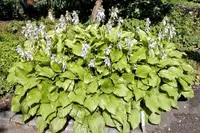
Fragrant plantain lily (Hosta plantaginea) is a shade-loving perennial grown for its broad, lush leaves and highly scented white summer flowers. It forms low, dense clumps that spread slowly, creating a tidy groundcover or edging in beds and borders.
This species is native to China and has adapted well to temperate gardens in many regions. Flowers open in the evening and release a strong fragrance, which is unusual among hostas.
It is generally easy to grow, provided it receives shelter from harsh sun, consistent moisture, and well-drained, humus-rich soil. Understanding how to care for Fragrant plantain lily helps maintain vigorous foliage and reliable flowering over many years.

Care Difficulty
Easy Care

Light Preference
Partial Shade

Water Requirements
Regular Water

Temperature Preference
Cold Hardy

Hardiness Zone
3–9

Soil Texture
Loamy, Silty, Organic-rich

Soil pH
Acidic (5.5–6.5), Slightly acidic (6.5–7.0)

Soil Drainage
Moist but well-drained

Fertilization
Light (every 4–6 weeks)
Scan your plant to receive care tips personalized for your specific plant
Available on iOS and Android
Hosta plantaginea prefers bright shade with some gentle morning sun for strong growth and flowering.
Hosta plantaginea grows best in evenly moist, never soggy soil.
This hosta is a hardy perennial that handles cold winters and prefers moderate summer temperatures.
This species grows best in moderate ambient humidity but adapts to most home conditions.
Hosta plantaginea prefers deep, moisture-retentive but well-drained soil rich in organic matter.
This species is suitable for container growing, especially on shaded patios or balconies.
Hosta plantaginea benefits from modest, consistent feeding during the active growing season for lush leaves and strong roots.
Pruning Hosta plantaginea is mainly about cleanliness and directing energy to healthy foliage and flowers.
Transplanting or dividing Hosta plantaginea every few years maintains vigor and manages clump size.
Division is the most reliable method for Hosta plantaginea plant care and keeping mature clumps productive.
This hosta is cold hardy in most temperate gardens and needs only simple winter care once established.

Plant Health Check
Not sure what's wrong with your plant? Check your plant's health inside the app.
This species is one of the few hostas with notably strong, sweetly scented flowers, releasing the most fragrance from late afternoon into the night to attract moth pollinators.
Its white flowers are unusually large and widely flared for a hosta, making it more accessible to larger nocturnal pollinators compared with the narrower, tubular flowers of many other hosta species.
Among hostas, this species shows relatively good tolerance of warmer, more humid summer conditions, which is one reason gardeners often choose it when planning to grow Hosta plantaginea in warmer regions.

In its native range in southeastern China, this species often grows in partially shaded forest margins and rocky slopes, where its strongly scented white flowers stand out at dusk and help guide night-flying moths visually as well as by scent.
Poor flowering usually comes from too little light, depleted soil, or overcrowded clumps. Dividing mature plants every 3–5 years, renewing soil nutrients, and ensuring adequate light exposure typically restores reliable summer bloom production.
Keep your plants happy and healthy with plant identification, disease detection, and easy care guidance.