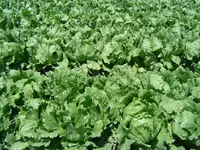
Staggered Succession Sowing
Sow a short row every 10–14 days rather than all at once to keep plants young and leafy and extend the harvest window through the cooler months.


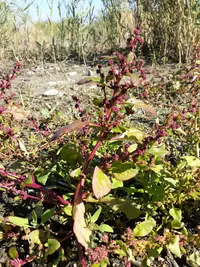
Garden orache (Atriplex hortensis) is a fast-growing annual leafy vegetable, often used as a spinach alternative in cool seasons. It forms upright stems with soft, triangular leaves that may be green, red, or purple, adding color as well as harvestable foliage. Native to parts of Europe and Asia, it has naturalized in many temperate regions and adapts well to typical garden conditions. This species is generally easy to grow because it tolerates a range of soils, moderate dryness, and light frosts. Gardeners who want to learn how to care for garden orache will find it prefers full sun, consistent moisture, and reasonably fertile, well-drained soil.

Care Difficulty
Easy Care

Light Preference
Full Sun

Water Requirements
Moderate Water

Temperature Preference
Cool Climate

Hardiness Zone
4–8

Soil Texture
Sandy, Loamy, Silty

Soil pH
Slightly acidic (6.5–7.0), Slightly alkaline (7.0–7.5)

Soil Drainage
Well-drained

Fertilization
Minimal (feed rarely)
Scan your plant to receive care tips personalized for your specific plant
Available on iOS and Android
This leafy annual prefers bright, open conditions but handles some shade in warm climates.
This species prefers evenly moist, well-drained soil rather than constant wetness.
This cool-season annual grows best in mild conditions and struggles in temperature extremes.
Humidity is not a critical factor for Atriplex hortensis, which thrives in typical outdoor air conditions.
Atriplex hortensis prefers loose, well-drained soil that does not stay wet after irrigation or rain.
This species grows reliably in containers when the pot supports its deep root system and upright height.
This fast-growing leafy annual benefits from modest feeding to support continuous harvests.
Pruning Atriplex hortensis focuses on keeping plants compact, productive, and tidy.
This annual is usually direct-sown outdoors, but young plants transplant well when handled carefully.
Atriplex hortensis is most commonly propagated from seed, which germinates reliably in suitable conditions.
This is a cool-season annual, so mature plants usually complete their life cycle before or during winter and need little care.

Plant Health Check
Not sure what's wrong with your plant? Check your plant's health inside the app.
Garden orache has been cultivated as a leafy vegetable in Europe and western Asia since antiquity and was widely eaten before spinach became common, especially in cooler and coastal climates.
This species thrives on relatively salty or disturbed soils and can act as a pioneer plant, helping stabilize and improve poor ground where more sensitive crops struggle.
Cultivated forms show striking leaf colors, ranging from green to deep red or purple, and these pigments are due to high levels of anthocyanins, the same compounds that color many red fruits and autumn leaves.

Historical records from medieval and early modern European herbals describe garden orache as an important fasting and Lenten vegetable, valued because it could be harvested early in the season before many other leafy crops were available.
Yes, the leaves and young shoots are edible and used like spinach, raw or cooked. They contain oxalates, so people with kidney issues should limit intake and avoid eating very large quantities every day.
Keep your plants happy and healthy with plant identification, disease detection, and easy care guidance.



-1-200x150.webp)