Low Goosefoot Care (Oxybasis chenopodioides)

Also known as: Saltmarsh Goosefoot
Low Goosefoot

About Low Goosefoot

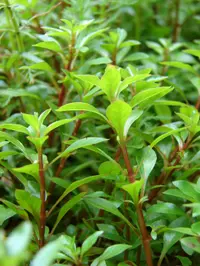
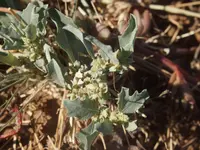
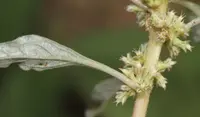
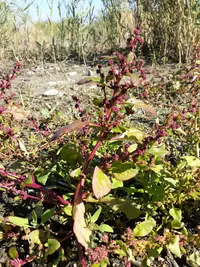
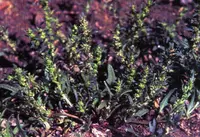
Low goosefoot, Oxybasis chenopodioides, is an annual herb in the amaranth family, often found as a wild or weedy plant in disturbed sites and moist soils. It grows with branching, upright to sprawling stems and small, simple leaves, usually forming low, loose clumps rather than a dense groundcover.

This species occurs widely in temperate and subtropical regions, including much of North America, often along riverbanks, roadsides, and in gardens as a volunteer. It is generally easy to grow because it tolerates poor, compacted soils and variable moisture, which also means it can spread quickly if not managed.

Those who care for Low Goosefoot in a controlled setting usually provide open light, moderately moist soil, and enough space so it does not crowd more delicate plants.

Main Plant Requirements

Care Difficulty

Easy Care

Light Preference

Full Sun

Water Requirements

Regular Water

Temperature Preference

Warm Climate

Hardiness Zone

6–10

Soil Texture

Sandy, Loamy, Silty

Soil pH

Slightly acidic (6.5–7.0), Neutral (7.0)

Soil Drainage

Moist but well-drained

Fertilization

Minimal (feed rarely)

Get Personalized Care Plan

Scan your plant to receive care tips personalized for your specific plant

Available on iOS and Android

How to Care for the Low Goosefoot

This species thrives in open, bright conditions similar to sunny field or shoreline habitats.

  • Provide 6–8 hours of direct sun daily; morning sun with some light afternoon shade reduces stress in hot inland areas.
  • Tolerates light partial shade, but Low Goosefoot grows denser and with better seed set in full sun exposure.
  • In summer, monitor for leaf scorch or wilting during heatwaves; in cooler seasons, avoid shading from taller plants that could drop light below 4 hours.

This annual prefers consistently moist but not waterlogged soil in its natural lowland habitats.

  • Water when the top 2–4 cm of soil feels dry, aiming for moisture that penetrates at least 10–15 cm depth after each watering.
  • Use well‑drained, sandy or loamy soil so excess water can exit quickly; standing water around roots for several days increases rot risk.
  • In hot, dry weather, check moisture every 1–2 days; dull, limp leaves suggest drought stress, while yellowing and soft stems often indicate overwatering.

This plant is a hardy warm‑season annual that tolerates a wide temperature range outdoors.

  • Best growth occurs around 65–80°F (18–27°C), typical of late spring to early fall conditions in many temperate regions.
  • Seedlings can handle cool nights down to about 40°F (4°C), but hard frost below 32°F (0°C) can damage or kill young plants.
  • In hot spells above 90°F (32°C), growth may slow; ensure soil moisture is stable to prevent heat stress and avoid reflected heat from pavement.

Humidity is rarely a concern, as this species tolerates a wide humidity range in typical outdoor conditions.

This annual thrives in loose, moderately fertile mineral soil with reliable drainage.

  • Use a sandy or sandy-loam texture with some fine gravel to keep the profile open and reduce waterlogging risk.
  • Aim for slightly acidic to neutral pH around 6.0–7.5, which supports nutrient availability and typical growth.
  • In garden beds, mix in coarse sand or grit rather than heavy compost to maintain aeration and prevent compaction.
  • Avoid dense clay, consistently boggy spots, or heavily mulched areas that stay wet and exclude air from the root zone.

This species can be grown in containers, mainly for temporary or controlled cultivation.

  • Choose a wide, shallow pot to accommodate its spreading, fibrous roots without creating a deep, wet column of soil.
  • Use a gritty, fast-draining mix and raise the pot slightly on feet or bricks so drainage holes never sit in collected water.
  • Select a heavier container material or add surface gravel to reduce tipping risk if the plant becomes top-heavy in wind.

This adaptable annual usually needs little feeding, especially in reasonably fertile soil.

  • If growth is weak or leaves are pale, apply a balanced NPK fertilizer at 1/2 strength every 4–6 weeks during the growing season.
  • Use a light top-dressing of compost instead of frequent liquid feedings in garden beds.
  • Stop feeding in late summer; do not fertilize during winter dormancy or when plants have completed their life cycle.
  • For Low Goosefoot in poor containers, choose a slow-release balanced fertilizer mixed into the potting soil at planting.

Pruning Oxybasis chenopodioides is mainly done to control spread and keep plants tidy.

  • Pinch or cut back soft stem tips in late spring or early summer to maintain compact growth.
  • Remove damaged, diseased, or excessively crowded stems with clean scissors or hand pruners.
  • Trim back spent flowering stems if self-seeding is not desired and to reduce weediness.
  • Avoid heavy woody pruning, as this annual completes its life cycle within a single season.

This species is usually treated as a direct-sown or transplanted annual rather than a long-term container plant.

  • Transplant in spring after frost once seedlings have 2–4 true leaves and soil has warmed.
  • Move seedlings when roots just fill the plug or small pot, before they circle tightly and growth slows.
  • Plant into loose, well-drained soil at the same depth, firm gently, and water thoroughly to settle roots.
  • Reduce stress by transplanting on a cool, cloudy day and shading plants for 2–3 days while they re-establish.

Propagation relies mainly on seeds, as this annual completes its life cycle in one season.

  • Sow seeds in early to mid-spring after frost, either directly outdoors or in trays under bright light.
  • Use a well-drained seed mix, press seeds lightly into the surface, and keep evenly moist until germination.
  • Maintain temperatures around 60–70°F for faster, more uniform germination.
  • Thin or prick out seedlings once they have 2–3 true leaves, spacing to allow good airflow and sturdy growth.

Oxybasis chenopodioides is an annual that usually dies back with hard frost and needs minimal winter care.

  • In cold climates, allow plants to complete their life cycle, then remove dead growth to limit unwanted self-seeding.
  • Mulch bare soil lightly if erosion is a concern after plants die back.
  • Container-grown plants can be discarded after seed collection, as they do not overwinter reliably.

Care Tips

Salinity Monitoring

In coastal or saline soils, periodically test electrical conductivity or watch for leaf edge burn, and if symptoms appear, leach the bed with a deep, slow irrigation to flush accumulated salts below the root zone.

Volunteer Management

Because this species self-seeds readily, mark desirable mother plants during peak growth, then thin or hoe unwanted seedlings early while they are under 5 cm tall to prevent overcrowding and excessive reseeding.

Targeted Weed Control

Use a light mulch band only between rows and keep a narrow bare strip over the seed line so seedlings can emerge easily while neighboring weeds are suppressed and hand weeding is reduced.

Scheduled Succession Sowing

For a continuous stand, sow small patches every 10–14 days in the warm season and record dates in a simple log so you can time thinning and harvest before plants become coarse or overly woody.

Pest Scouting Routine

Inspect the undersides of leaves at least weekly for aphids and leaf miners, and if pests appear, use a strong water spray or targeted insecticidal soap in the evening to protect beneficial insects while caring for Low Goosefoot.

Common Pests and Diseases

Leaf miners

This pest tunnels inside leaf tissue, creating pale, winding trails and blotches that reduce photosynthesis in young goosefoot leaves.

Solution

Remove and destroy affected leaves to break the life cycle, then monitor new growth frequently; in small plantings, crush visible larvae inside the leaf or use floating row covers to prevent egg laying, and apply a neem oil or spinosad-based product only to heavily affected foliage if needed.

Aphids

These insects cluster on tender stems and undersides of leaves, sucking sap and causing curling, distortion, and sticky honeydew that can support sooty mold growth.

Solution

Spray plants thoroughly with a strong stream of water to dislodge colonies, encourage or introduce natural predators such as lady beetles, and, if populations remain high, use insecticidal soap or horticultural oil directed at the undersides of leaves and young shoots.

Downy mildew

This disease produces yellow to reddish angular spots on upper leaf surfaces with a grayish to purplish fuzz on the undersides during humid conditions, often leading to leaf drop in dense stands.

Solution

Improve air circulation by thinning plants, avoid overhead watering, remove and destroy infected leaves, and if the problem recurs in the same area, rotate with unrelated crops and consider a labeled copper-based fungicide used according to directions.

Cercospora leaf spot

Symptoms include small, circular to irregular dark spots on leaves that may develop pale centers and merge into larger lesions, weakening the plant and reducing vigor.

Solution

Collect and discard heavily spotted leaves to reduce inoculum, keep foliage as dry as possible by watering at soil level, and practice crop rotation; in recurrent or severe cases, a preventive fungicide labeled for Cercospora on leafy greens can be applied at the first sign of spotting.

Flea beetles

These insects chew many small round holes in leaves, giving them a shot-hole appearance and stressing young seedlings of low goosefoot in particular.

Solution

Protect seedlings with floating row covers until plants are established, reduce nearby weed hosts, and, when damage is active, use yellow sticky traps or a light application of diatomaceous earth on dry foliage; in severe infestations, spot-treat with a targeted insecticide labeled for flea beetles on leafy greens.

Interesting Facts

Halophyte marsh specialist

This species naturally occurs in salty habitats such as coastal salt marshes, tidal flats, and saline ditches, and shows clear tolerance to elevated soil salinity compared with many other annual herbs.

Native yet weedy

Although native to parts of South America, it has spread widely and behaves as a naturalized or weedy species in many temperate regions, especially in disturbed wet ground and irrigation channels.

Goosefoot family member

It belongs to the Amaranthaceae (goosefoot) family, sharing with related species a small, inconspicuous greenish flower structure adapted for wind pollination rather than showy insect attraction.

FAQs about Low Goosefoot

This species self-seeds readily and can spread quickly in open, disturbed soil. In gardens, remove unwanted seedlings before they set seed and use edging or mulch to limit spread into beds or neighboring areas.

Grow Healthy Plants with Botan Care

Keep your plants happy and healthy with plant identification, disease detection, and easy care guidance.

Botan plant care app — identify plants on mobile

Explore More Plants