Early weed suppression
Establish a 5–8 cm layer of clean, seed-free mulch around plants in late spring to suppress competing weeds without disturbing this species’ relatively shallow root system.

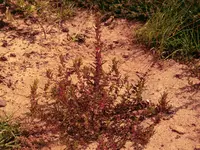
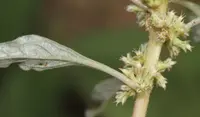
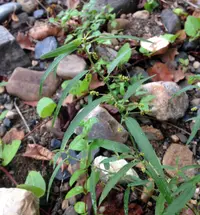
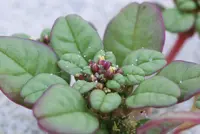
Slender threeseed mercury (Acalypha gracilens) is a small annual herb in the spurge family, usually found in open, disturbed ground and light shade. It has thin, upright stems with simple, toothed leaves and tiny, inconspicuous greenish flowers that produce three-seeded fruits. Native to eastern North America, it commonly appears in fields, woodland edges, and roadsides, often as part of early successional vegetation. The plant grows quickly, self-seeds readily, and tolerates poor, sandy, or rocky soils, which makes it easy to establish but sometimes weedy. Light shade to full sun and moderately moist, well-drained soil generally suit it, and this helps guide how to care for slender threeseed mercury.

Care Difficulty
Moderate Care

Light Preference
Full Sun

Water Requirements
Moderate Water

Temperature Preference
Warm Climate

Hardiness Zone
6–10

Soil Texture
Sandy, Loamy, Organic-rich

Soil pH
Acidic (5.5–6.5), Slightly acidic (6.5–7.0)

Soil Drainage
Well-drained

Fertilization
Minimal (feed rarely)
Scan your plant to receive care tips personalized for your specific plant
Available on iOS and Android
This native annual prefers bright sites with some protection from harsh afternoon sun.
This species prefers steadily moist but not saturated soil once established in the landscape.
This warm-season annual grows best in stable, mild to warm temperatures without frost exposure.
This species tolerates a wide humidity range but performs best with moderate moisture in the air.
This species prefers loose, well-drained mineral soils that do not stay waterlogged.
This species can grow in containers if the potting setup prevents persistent wetness and root restriction.
This native annual typically needs no fertilizer when grown in natural or moderately fertile soil.
Light pruning helps maintain a tidy outline and plant health in Acalypha gracilens stands.
In gardens, slender threeseed mercury is usually managed by site establishment and occasional transplanting rather than frequent pot culture.
Acalypha gracilens is most often propagated by seed and can naturalize where conditions are suitable.
This species is an annual in most climates and generally needs no special winter care.

Plant Health Check
Not sure what's wrong with your plant? Check your plant's health inside the app.
The inconspicuous flowers provide important pollen and nectar for several native bee species in the southeastern United States, especially in late summer when other floral resources decline.
This species often colonizes recently disturbed, sandy or open soils in pine savannas and old fields, taking advantage of high light and reduced competition to complete its life cycle quickly.
Male and female flowers occur separately on the same plant (a condition called monoecy), with male flowers on slender spikes and female flowers in small clusters, which helps reduce self-pollination.
This species is native in much of eastern North America but can behave weedy in disturbed, sunny sites. It self-seeds freely, so monitor unwanted seedlings and remove them before flowering to limit spread, especially near natural areas.
Keep your plants happy and healthy with plant identification, disease detection, and easy care guidance.