Disturbance Management
In restoration or naturalistic plantings, schedule light soil disturbance or mowing outside the main flowering and seed-set period so the plants can complete their life cycle and maintain self-sown populations.

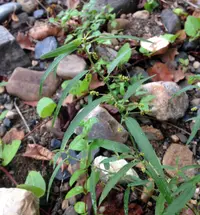
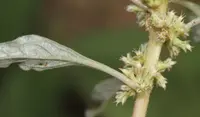
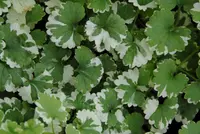
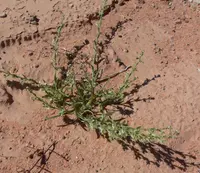
Slender threeseed mercury (Acalypha monococca) is a small annual herb in the spurge family, usually found in dry, open habitats. It tends to stay low to the ground with slender, branching stems and small, often inconspicuous leaves and flowers. Native to parts of the central and southern United States, it typically grows in sandy or rocky soils, grasslands, and disturbed sites. This species is generally not used as an ornamental plant but may appear as a volunteer in wildflower or naturalized areas. It is relatively undemanding where it is native, though gardeners who care for slender threeseed mercury should provide well-drained soil and exposure similar to a sunny, dry meadow.

Care Difficulty
Moderate Care

Light Preference
Full Sun

Water Requirements
Moderate Water

Temperature Preference
Warm Climate

Hardiness Zone
7–10

Soil Texture
Sandy, Loamy, Rocky

Soil pH
Slightly acidic (6.5–7.0), Neutral (7.0)

Soil Drainage
Well-drained

Fertilization
Minimal (feed rarely)
Scan your plant to receive care tips personalized for your specific plant
Available on iOS and Android
This small annual prefers bright, open conditions similar to sunny prairies and fields.
This species prefers evenly moist but never saturated soil in its natural prairie and open-field habitats.
This warm-season annual thrives in consistently mild to hot conditions and declines quickly with cold.
This species tolerates relatively dry air but grows best with moderate ambient humidity.
This species prefers light, well-drained mineral soils and is often found in sandy or gravelly sites.
This species can be grown in containers if the pot is set up to drain and dry quickly between waterings.
This native annual usually grows well in natural or low-input soils and needs only modest feeding in cultivation.
Pruning needs for Acalypha monococca are minimal and mainly focused on maintaining plant health and structure.
This species is most often grown in-ground, so management focuses on careful transplanting rather than frequent repotting.
Propagation of Acalypha monococca is typically done from seed and suits growers familiar with small native annuals.
As a warm-season annual, this plant does not overwinter outdoors and usually dies back after frost.

Plant Health Check
Not sure what's wrong with your plant? Check your plant's health inside the app.
This small annual herb is native to central and southern parts of the United States, where it typically occurs in dry prairies, open glades, and disturbed sandy or rocky soils.
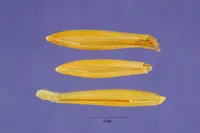
Its common name refers to the small capsules that usually contain three seeds, a characteristic feature of the plant that helps botanists distinguish it from related Acalypha species.
Male and female flowers are separate but found on the same plant, with the males in small, less conspicuous clusters and the females borne in slightly different positions along the stems.
This species behaves as a short-lived annual in most of its native range. Plants complete their life cycle within one growing season, set seed, then die back, relying on seedling recruitment for the next generation.
Keep your plants happy and healthy with plant identification, disease detection, and easy care guidance.