Use Lightweight Netting
Drape fine insect netting over plants once flowers appear to protect developing berries from birds and large insects without blocking airflow or light.

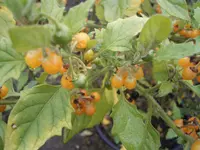
Hairy nightshade, Solanum villosum, is a soft-stemmed annual in the nightshade family, often found as a weed in fields, roadsides, and disturbed ground. It forms a branching, medium-height plant with hairy stems and leaves, small star-shaped white flowers, and clusters of orange to red berries.
This species is native to parts of Europe and Asia but now occurs widely in North America and other temperate regions. It self-seeds easily and can spread quickly, which makes it persistent but also simple to keep going once established.
It tends to grow best in full sun, with moderate moisture and well-drained, moderately fertile soil. Gardeners who care for hairy nightshade usually focus on managing its spread rather than encouraging it.

Care Difficulty
Moderate Care

Light Preference
Full Sun

Water Requirements
Moderate Water

Temperature Preference
Warm Climate

Hardiness Zone
7–11

Soil Texture
Sandy, Loamy, Organic-rich

Soil pH
Acidic (5.5–6.5), Slightly acidic (6.5–7.0)

Soil Drainage
Well-drained

Fertilization
Minimal (feed rarely)
Scan your plant to receive care tips personalized for your specific plant
Available on iOS and Android
Solanum villosum grows best in bright outdoor conditions with moderate protection from intense midday sun.
Solanum villosum prefers evenly moist, well-drained soil that never stays soggy for long periods.
This warm-season plant performs best in mild to warm conditions without exposure to frost.
This species grows well in typical outdoor humidity and rarely needs special humidity management.
Solanum villosum prefers loose, well-draining mineral soil that still holds moderate moisture.
This species can be grown in containers outdoors if the pot supports its root depth and branching habit.
Solanum villosum grows in poor soils but responds to light, balanced feeding in cultivation.
Solanum villosum benefits from light, targeted pruning to maintain compact growth and fruiting performance.
This species is more often transplanted outdoors than kept long term in containers, but the same stress-reduction principles apply.
Solanum villosum is most commonly propagated from seed and can also be raised from softwood cuttings under suitable conditions.
In mild climates this short-lived species needs little winter care, but frost handling matters in colder regions.

Plant Health Check
Not sure what's wrong with your plant? Check your plant's health inside the app.
The ripe berries of this species turn a bright translucent orange to yellow-orange, which helps distinguish it from many other nightshades that have black or dark purple fruits.
Stems, leaves, and often the calyces are covered with fine glandular hairs that give the plant a slightly sticky feel and likely help reduce herbivory by small insects.
The small seeds can persist for several years in the soil seed bank, allowing populations to reappear after disturbances such as cultivation or soil movement.

In parts of Europe and Asia, ripe orange fruits of Solanum villosum have traditionally been eaten in small quantities as a minor wild food, and genetic studies place the species within a complex of closely related, morphologically variable nightshades that have been repeatedly misidentified in herbaria and floras.
All parts contain toxic alkaloids that can affect pets, livestock, and humans if eaten, especially unripe berries and foliage. Ingestion may cause digestive upset, neurological signs, or worse. Keep animals and children away and remove volunteer plants.
Keep your plants happy and healthy with plant identification, disease detection, and easy care guidance.