blackjack oak Care (Quercus marilandica)

Also known as: Scrub oak, Jack Oak, barren oak
blackjack oak

About blackjack oak

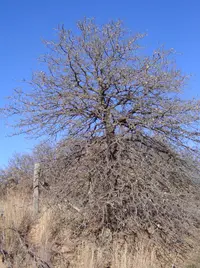
Blackjack oak (Quercus marilandica) is a small, slow-growing oak tree native to dry, sandy or rocky areas of the central and eastern United States. It often appears rugged, with a short trunk, broad irregular crown, and thick, dark bark.

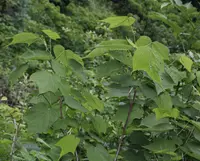
Leaves are tough, with a distinctive three-lobed, spade-like shape that turns brown and may persist on the tree into winter. Its strong taproot and tolerance of poor, acidic soils make it durable in challenging sites but harder to transplant.

This species prefers full sun and dry to moderately moist, well-drained soil. Understanding how to care for blackjack oak starts with providing conditions similar to its native, nutrient-poor habitats.

Main Plant Requirements

Care Difficulty

Moderate Care

Light Preference

Full Sun

Water Requirements

Low Water

Temperature Preference

Cold Hardy

Hardiness Zone

6–9

Soil Texture

Sandy, Loamy, Clay

Soil pH

Acidic (5.5–6.5), Slightly acidic (6.5–7.0)

Soil Drainage

Well-drained

Fertilization

Minimal (feed rarely)

Get Personalized Care Plan

Scan your plant to receive care tips personalized for your specific plant

Available on iOS and Android

How to Care for the blackjack oak

Quercus marilandica thrives in open, sunny sites with strong light exposure.

  • Provide full sun for 6–8 hours daily; growth and canopy density are best in unobstructed light.
  • Tree tolerates light partial shade (around 3–4 hours direct sun), but expect slower growth and a more open crown.
  • In hot climates, avoid new planting sites with intense reflective afternoon heat; young trees can show leaf scorch on exposed, shallow soils in midsummer.

This drought-tolerant oak prefers deep, infrequent watering once established.

  • Allow soil to dry thoroughly between deep soakings; avoid rewatering until the top 5–8 cm feels dry and the soil is not sticky.
  • During the first 1–2 growing seasons, water slowly when leaves begin to flag slightly or soil is dry several cm down, especially after 7–10 rain-free days.
  • Quercus marilandica in heavy or compacted soil is prone to root rot; pale leaves, dieback, or persistent wetness indicate overwatering and poor drainage.

This oak is adapted to hot summers and cold winters across much of its native range.

  • Active growth is strongest around 70–90°F (21–32°C), typical of late spring and summer in many regions.
  • Mature trees tolerate winter lows near -10°F (-23°C); young plants benefit from protection when temperatures drop below 5°F (-15°C).
  • Tree withstands summer heat up to about 100–105°F (38–41°C) if soil is not waterlogged; sudden late frosts after leaf-out can damage new foliage but the tree usually refoliates.

This species is adapted to dry, upland sites and does not need elevated humidity.

  • Target 30–50% humidity, similar to typical indoor air, without additional humidifiers.
  • Blackjack oak tolerates brief drops below 30% without damage if soil moisture is appropriate.
  • Leaf tip scorch and marginal browning in otherwise well-watered plants usually indicate combined drought and low humidity stress rather than humidity alone.

Quercus marilandica thrives in dry, lean soils with strong drainage and does poorly in wet, compacted ground.

  • Use a sandy or gravelly loam with coarse structure; aim for at least 40–60% mineral grit such as coarse sand or small gravel to keep pores open.
  • Maintain slightly acidic to neutral pH, roughly 5.5–7.0, avoiding highly limed or strongly alkaline sites that restrict nutrient uptake.
  • Improve aeration for heavy native soil by blending in pine bark fines and sharp sand rather than peat, which can hold excess water.
  • Avoid low-lying, waterlogged, or clay-dominant areas where water sits after rain, as this greatly increases root rot risk.

This species is only moderately suitable for container growing and is best kept in pots for temporary or young-stage cultivation.

  • Choose a tall, heavy container to accommodate the taproot and prevent the tree from becoming unstable in wind as it gains height.
  • Fill the pot with a very fast-draining, gritty mix, such as 50% coarse sand or small gravel blended with a low-organic, bark-based substrate.
  • Position containers where runoff drains freely away so water does not collect around the base and re-saturate the drainage holes after rain.

This native oak usually needs minimal fertilization once established in the landscape.

  • For young trees or poor soils, apply a light layer of compost or well-rotted leaf mold in early spring.
  • If using synthetic fertilizer, choose a balanced NPK (such as 10-10-10) at half strength, spread over the root zone.
  • Feed only 1 time per year during active growth; skip or greatly reduce feeding in winter dormancy.
  • When caring for blackjack oak, avoid high-nitrogen lawn fertilizers that can cause weak, overly lush growth.

Pruning Quercus marilandica focuses on safety, structure, and removing unhealthy wood rather than frequent shaping.

  • Best time is late winter while the tree is dormant and before new growth begins.
  • Remove dead, diseased, crossing, or storm-damaged branches with clean, sharp bypass pruners or a pruning saw.
  • Thin congested interior branches sparingly to improve air flow and maintain a single strong central leader.
  • Avoid heavy crown reduction; instead, make small, well-placed cuts back to branch collars to preserve natural form.

This oak is usually grown in the ground, so care centers on transplanting young trees rather than long-term container culture.

  • Transplant when dormant in late fall or very early spring, before bud break, to limit stress.
  • Move only young trees; older specimens resent disturbance and establish slowly after moving.
  • Choose a site with full sun, well-drained soil, and enough space for the mature canopy and deep root system.
  • Water deeply and consistently for the first 1–2 growing seasons, then taper as the tree establishes and resumes normal growth.

New plants are typically produced from acorns, as vegetative propagation of this oak is rarely practical at home.

Mature trees are cold hardy in much of their native range and usually need no special winter care once established.

Care Tips

Seedling root training

When planting young trees, use a deep container or planting hole and gently straighten circling roots so the taproot can grow downward, which greatly improves drought tolerance and long‑term stability.

Minimal staking practice

If staking is needed in a windy site, use 2–3 loose, low ties that allow the trunk to flex, then remove all stakes after 1–2 years so the tree develops a strong, self-supporting trunk.

Low-input mulching

Apply a 5–8 cm ring of coarse wood chips or shredded bark out to the drip line, keeping mulch 7–10 cm away from the trunk to conserve soil moisture, buffer temperature swings, and reduce mower damage.

Grass-free root zone

Maintain a clear, grass-free zone under the canopy by mulching or shallow hoeing, since turf competes strongly with this species’ relatively shallow lateral roots for water during dry periods.

Oak-specific monitoring

Inspect leaves and twigs in late spring and mid-summer for common oak issues such as galls, caterpillars, or powdery mildew, and document any recurring problems so local arborists can tailor long-term caring for blackjack oak to your site conditions.

Common Pests and Diseases

Oak leaf blister

This disease causes raised, blister-like, thickened spots on leaves that can distort leaf shape and lead to early leaf drop in humid seasons.

Solution

Remove and dispose of heavily affected fallen leaves to reduce spores, and avoid overhead irrigation that keeps foliage wet. In landscapes with repeated severe outbreaks, a licensed arborist can apply a preventive copper or chlorothalonil spray just as buds are swelling in early spring, which is the key timing for effective Quercus marilandica care instructions.

Oak wilt

This disease leads to rapid leaf wilting, bronzing, and drop from the top of the crown downward, often killing blackjack oak within a single growing season in highly affected regions.

Solution

Immediately contact a certified arborist if oak wilt is suspected, and avoid pruning or injuring trees during warm months when beetle vectors are active. Infected trees may need removal and destruction, roots may require trenching to prevent spread through root grafts, and any pruning tools must be disinfected between trees.

Hypoxylon canker

This disease causes bark to crack and slough off, exposing gray to black fungal crusts on trunks or large branches, usually after severe drought or other stress.

Solution

There is no direct chemical control, so management focuses on prevention by avoiding soil compaction, limiting drought stress, and protecting roots from injury. Remove and properly dispose of severely affected limbs or trees to reduce hazard and improve overall stand health, then prioritize watering during prolonged dry periods to support remaining oaks.

Two-lined chestnut borer

This insect attacks stressed blackjack oaks, causing thinning foliage, dieback from the top of the crown, and D-shaped exit holes in the bark.

Solution

Reduce susceptibility by preventing drought stress, avoiding trunk and root injuries, and not overcrowding trees. When infestations occur, removal of heavily infested trees or branches can limit beetle buildup, and a certified arborist may apply appropriately timed systemic insecticides to protect nearby high-value oaks if local regulations allow.

Oak leaf skeletonizer

These insects feed between leaf veins, leaving a lace-like network of veins and thin leaf tissue, and can cause noticeable browning and premature leaf drop in outbreak years.

Solution

Rake and dispose of fallen leaves to remove overwintering pupae and reduce populations for the next season. For young or highly valued trees with repeated heavy damage, targeted treatment with Bacillus thuringiensis (Bt) or a horticultural oil applied according to label directions can suppress larvae while minimizing impact on beneficial insects.

Interesting Facts

Fire-adapted resprouter

Blackjack oak often survives intense fires by resprouting from its deep, thickened root crown, a woody structure at the base of the stem that stores buds and carbohydrates.

Poor-soil specialist

This species is characteristic of dry, sandy or very shallow, nutrient-poor upland sites in the eastern and central US, where many other tree species struggle to establish.

Wildlife food source

Its relatively small, thick-walled acorns are produced irregularly but are an important seasonal food for wild turkey, white-tailed deer, and several squirrel and songbird species.

Botan icon

Did you know?

Blackjack oak often forms scrubby, open woodlands called blackjack oak barrens, and historical accounts indicate that these communities helped early surveyors and travelers navigate some dry upland landscapes of the central and eastern US.

FAQs about blackjack oak

This species grows slowly, usually 20–30 cm per year under average conditions. Growth is faster in deep, well-drained, slightly acidic soils and full exposure, and slower on very dry, compacted, or nutrient-poor sites.

Grow Healthy Plants with Botan Care

Keep your plants happy and healthy with plant identification, disease detection, and easy care guidance.


Botan plant care app — identify plants on mobile

Explore More Plants