Alangium platanifolium Care

Alangium platanifolium

About Alangium platanifolium

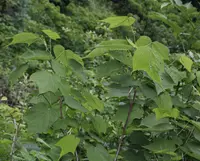
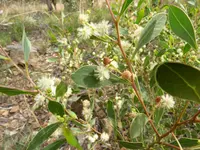
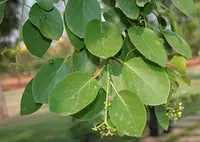
Alangium platanifolium is a deciduous small tree or large shrub, valued for its broad, lobed leaves and graceful, spreading crown. In spring it bears clusters of pale, star-like flowers, followed later by small decorative fruits that add seasonal interest.

This species is native to East Asia, especially Japan and China, where it grows in woodland edges and mountain forests. It is considered moderately easy to grow when planted in well-drained soil with consistent moisture and light shade. Gardeners who want to learn how to care for Alangium platanifolium should note its preference for sheltered sites and its steady, not fast, growth rate.


Main Plant Requirements

Care Difficulty

Moderate Care

Light Preference

Partial Shade

Water Requirements

Moderate Water

Temperature Preference

Warm Climate

Hardiness Zone

6–9

Soil Texture

Loamy, Silty, Organic-rich

Soil pH

Acidic (5.5–6.5), Slightly acidic (6.5–7.0)

Soil Drainage

Moist but well-drained

Fertilization

Minimal (feed rarely)

Get Personalized Care Plan

Scan your plant to receive care tips personalized for your specific plant

Available on iOS and Android

How to Care for the Alangium platanifolium

This deciduous tree prefers bright sites with some protection from harsh midday sun.

  • Provide 4–6 hours of direct morning sun with light afternoon shade; east or southeast exposure suits Alangium platanifolium well in most gardens.
  • Allow dappled or filtered light under taller trees in hotter regions to prevent leaf scorch from intense summer sun.
  • Watch for pale, sparse foliage and long, weak shoots as signs of insufficient light, and for brown, crisp leaf edges as a sign of excessive direct sun.

This species prefers evenly moist, well-drained soil rather than constant wetness or drought.

  • Water when the top 3–5 cm of soil feel dry, letting water soak the root zone deeply, then drain away fully.
  • In spring and summer, expect more frequent watering during active growth, reducing frequency in autumn and keeping soil just barely moist in winter once established.
  • Yellowing soft leaves and persistent wet soil indicate overwatering, while drooping leaves, dry edges, and soil pulling from the ground surface point to underwatering in Alangium platanifolium.

This hardy tree prefers moderate climates with cool winters and warm, not extreme, summers.

  • Aim for growing-season temperatures around 60–80°F (16–27°C), where shoot and leaf development remain steady without stress.
  • The tree tolerates brief drops to about 10–15°F (-12 to -9°C) once established, but young plants benefit from protection during hard freezes.
  • In hot climates with summer highs above 90°F (32°C), provide soil mulch and some afternoon shade to limit root heating and leaf scorch risk.

This species benefits from moderate air moisture but usually tolerates typical household humidity.

  • Aim for 40–60% humidity to reduce leaf edge browning and tip dieback.
  • It handles short dry spells, but prolonged very dry air can cause curled, dull foliage and slowed growth.
  • Increase humidity locally with a nearby water tray, grouped plants, or a small humidifier rather than misting leaves heavily.

This shrub prefers deep, moisture-retentive but free-draining soil that allows steady root development.

  • Use a loamy structure with a mix of garden soil, compost, and coarse sand or fine grit for drainage.
  • Target a slightly acidic to neutral pH of about 6.0–7.0 for balanced nutrient availability.
  • Incorporate well-rotted compost or leaf mold to boost organic matter and keep the root zone evenly moist without waterlogging.
  • Avoid compacted clay, standing water, and very shallow stony soils that restrict root penetration and oxygen supply.

This species can be grown in containers when young, though long-term growth is usually better in the ground.

  • Choose a tall, heavy container to support the developing woody framework and reduce tipping in strong wind.
  • Select a pot volume large enough for a deep root run, as constricted roots dry out faster and stress the plant.
  • Use a free-draining mix and elevate the pot slightly on feet or bricks to ensure rapid escape of excess water from drainage holes.

This woodland tree grows steadily in average soil and usually needs only modest feeding in cultivation.

  • Apply a light layer of compost or well-rotted manure around the root zone in early spring to support healthy growth in Alangium platanifolium.
  • Use a balanced slow-release fertilizer (for example 10-10-10) once in spring at label rates for trees in poorer soils.
  • Avoid high-strength liquids; if using a soluble fertilizer, dilute to 1/2 strength and apply no more than every 6–8 weeks in the growing season.
  • Do not feed in late fall or winter, as dormant roots cannot use nutrients efficiently and excess salts may build up.

This species needs only light structural pruning to stay healthy and well shaped.

  • Carry out main pruning in late winter or very early spring before new growth starts on Alangium platanifolium.
  • Remove dead, diseased, or crossing branches first, using clean, sharp bypass pruners or a fine-toothed pruning saw.
  • Thin congested interior shoots to improve light penetration and airflow, which supports stable branching and foliage health.
  • Limit heading cuts to maintain the tree’s natural form, reducing only overly long shoots to a lateral branch.

This tree is normally grown in the ground; focus on careful transplanting rather than frequent repotting.

  • Plan major transplanting for late winter to early spring, while the plant is still dormant and soil is workable.
  • Look for signs such as circling roots, poor vigor, or a topple-prone container before deciding to move Alangium platanifolium.
  • When transplanting, dig a wide root ball, keep roots shaded and moist, and replant at the same depth in well-prepared soil.
  • Water deeply after planting, then mulch 5–8 cm around (not against) the trunk to reduce evaporation and root stress.

Propagation is possible but slow; most gardeners rely on nursery-grown stock rather than home production.

  • Use semi-ripe cuttings in midsummer, placing 10–15 cm pieces in a free-draining mix under high humidity and bright shade.
  • Sow fresh seeds in autumn; many benefit from a cold stratification period to break dormancy and improve germination.
  • Maintain 65–75°F and evenly moist but not waterlogged substrate for both seeds and cuttings to establish roots.
  • Layering low flexible shoots in spring can give higher success; cover a wounded section with soil and sever once well rooted.

Mature plants are fairly cold hardy in much of the temperate US but benefit from basic root-zone protection in harsher climates.

  • In regions with severe frost, apply a 5–8 cm mulch of shredded bark or leaves over the root zone of Alangium platanifolium.
  • Keep mulch slightly away from the trunk to prevent rot and rodent damage during wet, cold periods.
  • Move young container-grown specimens into an unheated garage or cold frame where temperatures stay above about 20°F.

Care Tips

Establish strong framework

In the first 3–4 years, select 3–5 well-spaced main branches and remove weak, crossing, or steeply upright shoots in late winter to build a stable, open framework that will better support the plant’s eventual spread and flowering.

Protect brittle branches

The wood is somewhat brittle, so in windy or exposed sites use discreet staking or windbreaks for young plants and avoid heavy objects or foot traffic under the canopy that could snap low limbs.

Mulch for root comfort

Apply a 5–8 cm layer of shredded bark or leaf mold over the root zone, keeping it a few cm away from the trunk, to moderate soil temperature, preserve moisture, and protect the fine, shallow feeder roots from drying or mechanical damage.

Encourage flowering spurs

After flowering, shorten overly long lateral shoots by about one-third and remove only a portion of old twiggy growth so that short, well-lit spurs can form, which supports more abundant blooms in future seasons when caring for Alangium platanifolium.

Monitor for girdling roots

Every few years on younger specimens, carefully expose the top 2–3 cm of soil near the base and check for circling or girdling roots, then cut or redirect them away from the trunk to prevent long-term stability and vascular problems.

Common Pests and Diseases

Leaf spot

This disease causes small brown to dark purple spots on leaves that may merge into larger blotches, especially in warm, wet weather.

Solution

Prune and destroy affected leaves, avoid overhead watering, and improve air circulation around the canopy; in persistent or severe cases, use a copper-based fungicide according to label directions as part of broader Alangium platanifolium care instructions.

Powdery mildew

This disease produces white to gray, powdery fungal growth on young leaves and shoots, which can lead to distortion and reduced vigor.

Solution

Thin dense branches to increase light and airflow, avoid high nitrogen fertilization that encourages soft growth, and apply a sulfur or potassium bicarbonate fungicide at first signs if conditions remain humid.

Scale insects

These insects appear as small, dome-shaped or flattened bumps on stems and leaf undersides, sucking sap and causing yellowing and decline over time.

Solution

Gently scrape or wipe off individual scales with a cotton swab and soapy water, prune heavily infested twigs, and use horticultural oil sprays during the growing season to smother remaining stages while protecting beneficial insects.

Aphids

These insects cluster on young shoots and leaf undersides, excreting sticky honeydew that can lead to sooty mold on foliage.

Solution

Dislodge colonies with a strong stream of water, encourage natural predators such as lady beetles, and if populations remain high, use insecticidal soap or light horticultural oil, making sure to cover new growth thoroughly.

Twig blight

This disease leads to browning and dieback of young twigs and shoot tips, often following stress or mechanical injury.

Solution

Prune out affected twigs 10–15 cm below visible damage, sterilizing tools between cuts, dispose of infected material away from the site, and reduce plant stress by maintaining even soil moisture and avoiding heavy pruning during wet weather.

Interesting Facts

Distinctive maple-like foliage

This species has palmate leaves with 3–5 shallow lobes that strongly resemble those of many maples, which is why it is often mistaken for a small maple tree despite belonging to a different plant family (Cornaceae).

Unusual hanging flowers

Its creamy white, star-shaped flowers are borne on slender, drooping stalks and often hang below the branches, creating a delicate, lantern-like display in late spring to early summer.

Edible but bland fruits

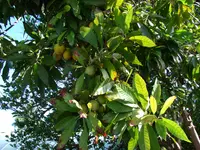
The plant produces small, olive-shaped drupes that are technically edible but usually described as bland in flavor; they are mainly of botanical interest rather than used as a regular food source.

Botan icon

Did you know?

In parts of East Asia, especially Japan, this species has been cultivated in traditional gardens and temple grounds for its graceful branching and seasonal interest, including spring flowers and yellow to reddish fall color, making it a valued ornamental tree in quiet, naturalistic landscapes.

FAQs about Alangium platanifolium

This species performs best outdoors in temperate gardens, where it can develop a full crown and normal seasonal cycle. Indoors it struggles with low light, restricted root space, and dry air, so long-term indoor growing is not recommended.

Grow Healthy Plants with Botan Care

Keep your plants happy and healthy with plant identification, disease detection, and easy care guidance.

Botan plant care app — identify plants on mobile

Explore More Plants