bouncingbet Care (Saponaria officinalis)

Also known as: common soapwort, soapwort, Bladder Soapwort, China Cockle, Cow Basil, Cow Foot, Cow Herb, Cow Soapwort, Glond, spring cockle
bouncingbet

About bouncingbet

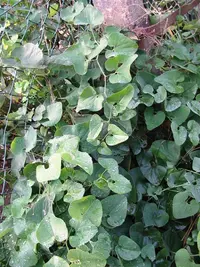
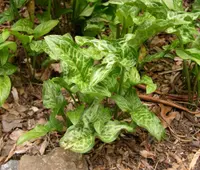
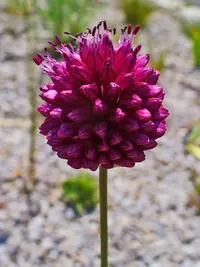
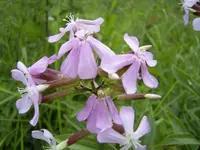
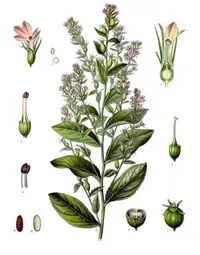
Bouncingbet, Saponaria officinalis, is a herbaceous perennial often grown in cottage and naturalistic gardens. It forms loose clumps of upright stems with paired leaves and clusters of soft pink to white, soap-scented flowers.

This species is native to Europe and western Asia but has naturalized widely in North America along roadsides and disturbed ground. It spreads readily by rhizomes and seed, which makes it easy to establish but sometimes invasive.

It adapts to a range of soils as long as drainage is good, and it performs best in full sun to light shade with moderate moisture. These traits make basic how to care for bouncingbet relatively straightforward for most gardeners.

Main Plant Requirements

Care Difficulty

Easy Care

Light Preference

Full Sun

Water Requirements

Low Water

Temperature Preference

Cold Hardy

Hardiness Zone

3–8

Soil Texture

Sandy, Loamy, Rocky

Soil pH

Slightly acidic (6.5–7.0), Slightly alkaline (7.0–7.5)

Soil Drainage

Well-drained

Fertilization

Minimal (feed rarely)

Get Personalized Care Plan

Scan your plant to receive care tips personalized for your specific plant

Available on iOS and Android

How to Care for the bouncingbet

Saponaria officinalis thrives in bright outdoor conditions with several hours of direct sun each day.

  • Provide 6–8 hours of direct sun, ideally with morning sun and some light afternoon shade, especially in hotter regions.
  • Plant bouncingbet in an open spot; it tolerates light partial shade, but flowering may decrease if it receives fewer than 4–5 hours of sun.
  • Watch for leaf scorch or faded foliage in intense afternoon sun and for weak, floppy stems or poor flowering if light levels are too low.

This species prefers moderately dry, well-drained soil and does not like standing moisture.

  • Allow the top 3–5 cm of soil to dry between waterings; in most garden soils, this means waiting until the surface feels dry and slightly crumbly.
  • Increase watering only during prolonged drought or extreme heat, and reduce it in cool or rainy seasons to avoid root rot in Saponaria officinalis.
  • Suspect overwatering if stems flop, lower leaves yellow, or soil smells sour; suspect underwatering if stems wilt, leaves curl, and soil pulls away from the ground surface.

This hardy perennial tolerates a wide temperature range but grows best in mild conditions.

  • Active growth and flowering are strongest around 60–75°F (16–24°C), typical of late spring to early summer in many temperate regions.
  • Established plants tolerate winter lows down to about 0°F (−18°C) in the ground, dying back above soil while crowns and roots overwinter.
  • Short periods of summer heat up to 90°F (32°C) are tolerated if soil is not waterlogged, but growth may slow during very hot, dry spells.

Humidity is rarely a concern for Saponaria officinalis in typical home or outdoor conditions.

Saponaria officinalis prefers lean, well-drained mineral soils rather than rich, moisture-retentive mixes.

  • Use a sandy or gravelly loam with low to moderate organic matter to prevent excessive fertility and moisture retention.
  • Aim for a slightly alkaline to neutral pH around 7.0–7.8, adding garden lime if soil is consistently acidic.
  • Blend in coarse sand or fine grit to improve drainage and aeration, especially in compact or clay-based sites.
  • Avoid heavy clay, peat-heavy bags, or any mix that stays wet for more than 24 hours after irrigation.

This species can be grown in containers if the pot and setup control its spreading roots and manage runoff.

  • Choose a wide, shallow to medium-depth pot to accommodate its rhizomatous spread while preventing deep, soggy substrate layers.
  • Select a heavier material such as ceramic or clay to stabilize the container against wind and the plant’s lateral growth.
  • Position the pot where runoff and potential self-seeding are acceptable, since bouncingbet can spread beyond the container via seed.

Saponaria officinalis is a low-feeding perennial that usually needs only modest nutrition in average garden soil.

  • In lean or very sandy soils, apply a light layer of compost or well-rotted manure in early spring.
  • Where extra growth is desired, use a balanced NPK fertilizer at half strength every 4–6 weeks during the growing season.
  • Skip feeding in winter when the plant is dormant and growth has stopped.
  • In containers, caring for bouncingbet benefits from a slow-release balanced fertilizer mixed into the potting mix in spring.

Saponaria officinalis benefits from simple pruning to maintain a compact shape and extend flowering.

  • Shear or deadhead spent flower stems in mid to late summer to encourage a neater mound and possible rebloom.
  • In early spring, remove dead, damaged, or weak stems at the base using clean, sharp scissors or hand pruners.
  • Thin overly crowded shoots to improve air flow and reduce the risk of foliar disease.
  • Cut back untidy or sprawling growth by up to one-third to control spread without stressing the plant.

This species is more often transplanted in the garden than repotted, as it forms a spreading clump with underground rhizomes.

  • Transplant young plants in early spring or early fall, when temperatures are mild and soil is moist but not waterlogged.
  • Choose a sunny, well-drained site; Saponaria officinalis dislikes heavy, waterlogged clay and may decline there.
  • Lift clumps with a fork, keeping as much root and soil together as possible to limit transplant shock.
  • Water thoroughly after planting, then keep soil evenly moist for 1–2 weeks until new growth shows that roots have re-established.

This plant is commonly propagated by seed, division, or short stem cuttings taken from non-flowering shoots.

  • Sow fresh seeds in fall outdoors or in late winter under cover; light improves germination, so barely cover them.
  • Divide established clumps in early spring, replanting healthy sections with several shoots and firm root pieces.
  • Take 7–10 cm softwood cuttings in late spring, insert into gritty, moist substrate, and keep in bright, indirect light.
  • Maintain moderate humidity and good air circulation to reduce rot while new roots develop.

This hardy perennial usually needs minimal winter care in temperate climates once established in well-drained soil.

  • Plants tolerate typical frost in USDA zones 3–8 if drainage is good and crowns do not sit in standing water.
  • After top growth dies back, an optional 3–5 cm mulch layer helps buffer freeze–thaw cycles, especially in exposed sites.
  • In very cold or wet regions, container plants overwinter best in a sheltered, unheated but frost-free or slightly protected spot.

Care Tips

Control Self-Seeding

Deadhead most spent flower clusters before seed set, but leave a few in a controlled area if you want new plants, since this species can spread aggressively by both seed and rhizomes.

Contain Underground Spread

Use a root barrier or plant in a large, bottomless container sunk into the ground to limit rhizome creep and keep the clump from invading nearby beds.

Support Flopping Stems

Install low, discreet edging or a short pea fence around the planting early in the season so the tall, lax stems have support and do not smother lower plants.

Time Division Carefully

Divide mature clumps in early spring or early fall, replanting only the healthiest sections, to rejuvenate flowering and keep the stand dense but manageable.

Monitor Wild Escape

Regularly inspect areas beyond the bed and promptly remove any unwanted seedlings or shoots in natural or semi-wild spaces, as part of responsible Saponaria officinalis care.

Common Pests and Diseases

Leaf spot

This disease causes small brown, tan, or purplish lesions on leaves that may merge into larger dead patches, especially in humid weather. Symptoms include premature yellowing and dropping of older foliage while stems usually remain green.

Solution

Remove and discard affected leaves to reduce fungal spores, and avoid overhead watering so foliage dries quickly. Improve spacing and airflow around plants; in persistent cases on valuable plantings, apply a labeled ornamental fungicide containing chlorothalonil or copper, following local guidelines for Saponaria officinalis care.

Powdery mildew

This disease produces a white or gray powdery coating on upper leaf surfaces and sometimes on stems, often appearing after warm days and cool nights. Symptoms include distorted new growth and reduced flowering when infections are severe.

Solution

Increase sun exposure and airflow, and thin crowded stems so leaves dry faster. Remove heavily infected foliage and, if needed, apply a sulfur or potassium bicarbonate fungicide labeled for ornamental perennials, making sure to spray both upper and lower leaf surfaces.

Rust

This disease creates orange, brown, or rust-colored pustules on the undersides of leaves, with corresponding pale or yellow spots on the upper surface. Symptoms include gradual weakening of the plant and early leaf drop if infections are not managed.

Solution

Promptly remove and dispose of infected leaves and plant debris to break the disease cycle, and avoid overhead irrigation. For recurring problems, use a rotation of rust-effective fungicides (such as myclobutanil or chlorothalonil) according to label directions and focus treatments early in the season when first spots appear.

Aphids

These insects cluster on young stems, buds, and the undersides of leaves, sucking sap and excreting sticky honeydew that can lead to sooty mold. This pest can cause distorted shoots, reduced vigor, and fewer flowers during rapid growth flushes.

Solution

Spray colonies off with a firm stream of water and pinch off heavily infested shoot tips. If populations remain high, treat with insecticidal soap or a light horticultural oil, applied in the early morning or evening and repeated as needed to cover new growth.

Spider mites

These pests are tiny, often red or yellow specks that feed on the undersides of leaves, causing fine stippling, bronzing, and eventual leaf drop in hot, dry conditions. This pest may also produce fine webbing between stems and leaves when populations become dense.

Solution

Increase humidity around the plants and regularly hose down foliage, focusing on the undersides of leaves to dislodge mites. For more serious infestations, use insecticidal soap or a horticultural oil at 7–10 day intervals, rotating with another compatible product if needed to avoid resistance.

Interesting Facts

Natural soap producer

The rhizomes and leaves contain high levels of saponins, compounds that create a stable lather when mixed with water, which led to its historical use as a plant-based soap for textiles and wool.

Foam-forming defense

When roots or leaves are crushed in water, the foam is not only detergent-like but also mildly toxic to some cold-blooded organisms, which likely functions as a chemical defense against herbivores and microbes.

Herbarium cleaning ally

Conservators have used dilute extracts from this species to gently clean fragile historical textiles and paper, because its saponin-rich solution can remove dirt without harsh mechanical scrubbing.
Botan icon

Did you know?

In several European regions, this plant was traditionally grown near washing sites along streams so that its roots and leaves could be harvested on the spot to produce a natural lather for laundering cloth, giving rise to common names such as soapwort and latherwort.

FAQs about bouncingbet

This species spreads readily by both seed and underground rhizomes. In suitable conditions it can form large patches and may become troublesome, especially near natural areas, so edging, deadheading, and occasional root removal are recommended.

Grow Healthy Plants with Botan Care

Keep your plants happy and healthy with plant identification, disease detection, and easy care guidance.

Botan plant care app — identify plants on mobile

Explore More Plants