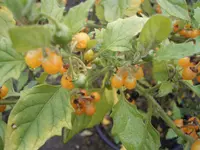
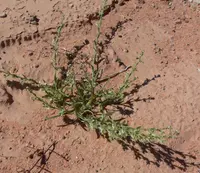
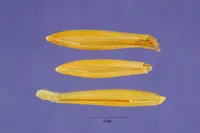
seaside amaranth Care (Amaranthus pumilus)

Also known as: Seabeach Amaranth
seaside amaranth

About seaside amaranth

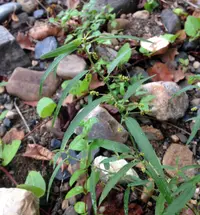
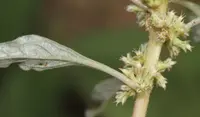
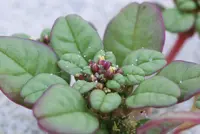
Seaside amaranth (Amaranthus pumilus) is a low, sprawling annual plant adapted to sandy coastal beaches and dunes. It forms small mounds of fleshy, gray-green leaves with inconspicuous greenish flowers along its stems.

This species is native to the Atlantic coast of North America, where it stabilizes shifting sand and tolerates salt spray and wind. It can be challenging to grow away from its natural habitat because it needs open, sandy, fast-draining soil and little competition from other plants.

Gardeners who want to care for seaside amaranth should provide full sun, lean sandy substrate, and conditions that mimic a sunny, well-drained shoreline as closely as possible.

Main Plant Requirements

Care Difficulty

Hard Care

Light Preference

Full Sun

Water Requirements

Regular Water

Temperature Preference

Warm Climate

Hardiness Zone

6–10

Soil Texture

Sandy, Organic-rich

Soil pH

Slightly acidic (6.5–7.0), Neutral (7.0)

Soil Drainage

Well-drained

Fertilization

Minimal (feed rarely)

Get Personalized Care Plan

Scan your plant to receive care tips personalized for your specific plant

Available on iOS and Android

How to Care for the seaside amaranth

This coastal annual needs strong light similar to its native open dune habitat.

  • Provide 6–8 hours of direct sun daily; morning and midday sun are ideal, with only light shade after 3–4 pm in very hot areas.
  • Seaside amaranth tolerates brief partial shade (2–3 hours/day), but extended shade causes leggy growth and weak stems.
  • In summer, avoid reflected heat from pavement or walls that can scorch foliage; in cooler months, choose the brightest, most open, unshaded site.

This species is adapted to sandy, fast-draining coastal soils and low to moderate moisture.

  • Water when the top 3–5 cm of sandy soil is dry, using deep, infrequent soakings rather than light splashes.
  • Amaranthus pumilus dislikes standing water; roots in poorly drained or compacted soil develop yellowing leaves and soft stems from rot.
  • During cooler or rainy seasons, reduce watering and watch for wilting, dull leaves, or crisp margins as signs that the soil has stayed dry too long.

This plant thrives in warm coastal conditions and tolerates significant summer heat when rooted in sandy soil.

  • Aim for active growth in 70–85°F (21–29°C); seedlings establish best once temperatures are consistently above 60°F (16°C).
  • It is frost-sensitive; exposure below 32°F (0°C) kills foliage and often the whole plant, so avoid planting before the last local frost date.
  • Mature plants tolerate brief spikes to 95–100°F (35–38°C) if soil drains quickly, but prolonged extreme heat with dry winds can stunt growth.

This coastal annual tolerates a wide humidity range and usually does not need special humidity management.

  • Target 40–60% humidity, which matches most outdoor coastal and many indoor conditions.
  • Seaside amaranth handles brief dry air but prolonged humidity below 30% can slow growth and cause pale, crispy leaf edges.
  • If grown indoors in very dry air, place trays of water with pebbles nearby or group plants to slightly raise local humidity.

This species prefers loose, fast-draining, sandy substrates that mimic its native beach habitat.

  • Use a mix of 60–80% coarse sand with the rest light compost or fine bark to create an airy, drought-tolerant substrate.
  • Ensure very sharp drainage; the soil should dry quickly after watering and never remain waterlogged or sticky.
  • Aim for slightly acidic to neutral pH around 6.0–7.0, avoiding strongly acidic or alkaline mixes that reduce nutrient availability for Amaranthus pumilus.
  • Improve aeration by avoiding heavy clay, silt, or peat-dense mixes that compact and restrict oxygen around the roots.

This species can be grown in containers if the pot and substrate mimic open, sandy coastal conditions.

  • Choose a wide, shallow container to support its spreading habit and prevent roots from sitting in deep, wet zones.
  • Select a heavy or low, stable pot so wind or uneven growth does not tip the plant in exposed sites.
  • Use a very free-draining mix and keep the pot slightly elevated on feet or bricks so drainage holes never sit in collected water.

This coastal annual generally needs minimal feeding in natural sandy habitats.

  • For garden cultivation of seaside amaranth, apply a light, balanced NPK fertilizer at half strength once every 4–6 weeks in the growing season.
  • Choose slow-release granules or well-rotted compost mixed into sandy soil to avoid nutrient spikes.
  • Skip feeding in winter or outside active growth, as excess nutrients encourage weak, lush growth and reduce stress tolerance.

Pruning needs for Amaranthus pumilus are low and focus on maintaining plant health and compact form.

  • In mid to late growing season, clip back dead, damaged, or diseased stems using clean, sharp scissors or small snips.
  • Remove crowded or crossing shoots to improve air flow and reduce fungal problems in dense patches.
  • Light tip-pinching of young stems can encourage bushier growth without drastically changing the plant’s natural shape.

This species is usually grown in sandy, coastal-style beds, so transplanting is more relevant than container repotting.

  • Transplant seedlings outdoors in late spring once frost risk has passed and soil has warmed.
  • Move only young plants; older plants resent disturbance and may stall or die after major root disruption.
  • Choose a freely draining, sandy site and plant at the same depth as in the original plug or pot.
  • Water gently after transplanting, then allow soil to dry slightly between waterings to limit root stress and rot.

Propagation of Amaranthus pumilus is most practical from seed under controlled conditions.

  • Sow fresh seed in late winter to early spring in shallow trays filled with well-drained, sandy mix.
  • Press seeds lightly onto the surface; they need light for best germination, so avoid deep covering.
  • Maintain 68–75°F, consistent moisture, and bright light; seedlings usually emerge within 1–3 weeks.
  • Transplant carefully once seedlings have several true leaves, disturbing roots as little as possible.

This annual species completes its life cycle in one season, so it does not require traditional winter care.

  • In cold climates, allow plants to set and drop seed before winter so the population can re-establish next year.
  • Avoid moving plants indoors; instead, focus on conserving or collecting seed from healthy individuals.
  • Mark or map successful sites to prepare similar sandy, free-draining conditions for future sowings.

Care Tips

Stabilize In Shifting Sand

Use low sand mounds or shallow trenches on the windward side of young plants to reduce sand scouring and uncover the crown after storms if it becomes buried too deeply.

Protect From Foot Traffic

Install low rope, driftwood, or stake barriers around colonies in high-use beach areas to prevent trampling and soil compaction that can quickly destroy plants and seedlings.

Support Natural Seed Spread

Leave healthy, mature seed heads on the plants through late season so wind and shifting sand can redistribute seeds and gradually expand the colony.

Use Sparse Companion Cover

Limit nearby vegetation to very low, sparse native dune plants so they break wind but do not outcompete seaside amaranth for light or space.

Monitor Storm Impacts

After major storms, inspect plants for exposed roots or severely eroded sand and gently backfill with clean dune sand rather than rich garden soil to keep the habitat conditions consistent when caring for seaside amaranth.

Common Pests and Diseases

Fusarium wilt

This disease causes yellowing, wilting, and collapse of stems, often starting on one side of the plant or one branch. Symptoms include brown discoloration in the stem tissue when it is cut open.

Solution

Remove and discard affected plants and nearby plant debris, and avoid replanting amaranth in the same spot for several years. Improve soil drainage, avoid overhead watering, and if growing seaside amaranth in containers, use fresh, clean potting mix and disinfect pots before reuse.

Leaf spot

This disease produces small, tan to brown spots on leaves that may enlarge and merge, leading to premature leaf drop. Symptoms include more severe spotting during warm, humid weather or prolonged leaf wetness.

Solution

Remove and dispose of heavily spotted leaves to reduce the source of infection, and water at the base of the plant to keep foliage dry. Increase spacing and airflow, and in severe, recurrent cases, a registered copper or chlorothalonil fungicide can be used according to label directions for leafy ornamentals or greens.

Aphids

These insects cluster on young stems and leaf undersides, sucking sap and causing curling, distortion, and sticky honeydew deposits. This pest can also promote sooty mold growth on the honeydew and transmit viral diseases.

Solution

Dislodge colonies by spraying plants with a strong stream of water, and prune out heavily infested growing tips. For persistent populations, apply insecticidal soap or a light horticultural oil, ensuring thorough coverage of leaf undersides and repeating as needed according to the product label.

Spider mites

These pests are tiny mites that feed on leaf undersides, causing fine speckling, a dull or bronzed appearance, and in heavy cases, delicate webbing between leaves and stems. Symptoms include leaf drop when infestations are severe and conditions are hot and dry.

Solution

Rinse foliage thoroughly with water, focusing on the undersides of leaves, and repeat several times over a week to reduce populations. If needed, apply insecticidal soap or a miticide labeled for ornamental plants, and increase ambient humidity slightly in container or nursery production to make conditions less favorable for mites.

Damping-off

This disease affects seedlings, causing them to fail to emerge or to collapse at the soil line shortly after germination. Symptoms include water-soaked, pinched, or darkened stems at the base of young plants in overly wet or poorly drained seedbeds.

Solution

Use clean trays, fresh sterile seed-starting mix, and avoid overwatering during germination, keeping the surface just moist, not saturated. Provide good air circulation, thin dense sowings, and discard any affected seedlings and their surrounding media to limit spread; avoid reusing contaminated soil for how to take care of seaside amaranth from seed.

Interesting Facts

Wave-buried annual

This species completes its entire life cycle in 1 season and is regularly buried and uncovered by shifting beach sands, an environment that kills most other coastal plants.

Sand-binding specialist

Its low, sprawling stems and root system help trap and stabilize sand on the upper beach, creating small dunes that provide habitat structure for other coastal organisms.

Narrow Atlantic range

Amaranthus pumilus is native only to the Atlantic coast of the eastern United States, historically from South Carolina to Massachusetts, and does not occur naturally outside this narrow shoreline band.

Botan icon

Did you know?

This plant is listed as a threatened or endangered beach specialist in several U.S. states because even small changes to dune-building processes, shoreline development, or heavy recreational trampling can rapidly eliminate its fragile populations.

FAQs about seaside amaranth

This species is moderately fast-growing during warm months, usually reaching near-mature size within a single season from seed. Growth slows in cool weather and in compacted or nutrient-poor sand, though it tolerates low fertility better than many ornamentals.

Grow Healthy Plants with Botan Care

Keep your plants happy and healthy with plant identification, disease detection, and easy care guidance.

Botan plant care app — identify plants on mobile

Explore More Plants