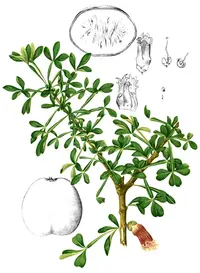
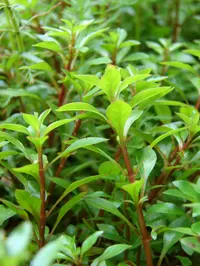
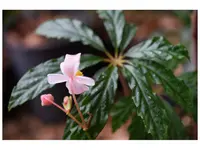
shoreline seapurslane Care (Sesuvium portulacastrum)

Also known as: sea purslane, common carpetweed, shoreline purslane
shoreline seapurslane

About shoreline seapurslane

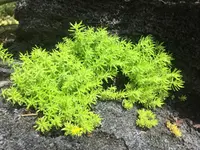
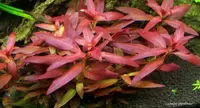
Shoreline seapurslane (Sesuvium portulacastrum) is a low, creeping succulent herb that forms dense mats along tropical and subtropical coasts. Its thick, fleshy leaves and pink star-shaped flowers help it tolerate salt spray, wind, and sandy conditions.

This species naturally occurs on beaches, dunes, salt marsh edges, and rocky shores, where few other plants can survive. It is valued for erosion control and as a tough groundcover in coastal gardens.

Sesuvium portulacastrum is generally easy to grow where temperatures stay warm and soils drain well. A grower who understands how to care for shoreline seapurslane will focus on strong light, moderate watering, and poor to average soil with good drainage.

Main Plant Requirements

Care Difficulty

Easy Care

Light Preference

Full Sun

Water Requirements

Low Water

Temperature Preference

Tropical / Frost Sensitive

Hardiness Zone

10–12

Soil Texture

Sandy, Loamy, Rocky

Soil pH

Neutral (7.0), Alkaline (7.5–8.5)

Soil Drainage

Waterlogged tolerant

Fertilization

Minimal (feed rarely)

Get Personalized Care Plan

Scan your plant to receive care tips personalized for your specific plant

Available on iOS and Android

How to Care for the shoreline seapurslane

This coastal succulent thrives in strong light and is adapted to open, exposed sites.

  • Provide 6–10 hours of direct sun daily; full sun from morning through early afternoon supports dense, low growth for shoreline seapurslane.
  • Plant in an open, unshaded position; it tolerates light afternoon shade in very hot inland sites, but extended shade leads to lanky stems and sparse leaves.
  • In summer heat, reflected light from sand or rock is fine, but monitor for bleaching or crispy leaf tips; in cooler seasons, ensure maximum sun to maintain vigor.

This halophytic groundcover prefers dry to slightly moist conditions and resents standing water.

  • Allow sandy or gritty soil to dry at least in the top 3–5 cm before rewatering; foliage should look firm and slightly fleshy, not wrinkled.
  • Focus on excellent drainage; sloped, coastal, or raised sites help excess water run off, reducing root rot risk and yellowing, mushy stems.
  • In cooler months, water only when growth slows and the soil has been dry for several days; in hot, windy periods, water when leaves start to lose turgor and feel less plump.

This species is a warm-climate perennial that tolerates heat but is sensitive to frost.

  • Aim for sustained growth in 70–90°F (21–32°C); Sesuvium portulacastrum performs best in coastal and warm subtropical climates.
  • Protect from cold below 40°F (4°C); brief dips to 32°F (0°C) may burn foliage, and repeated or hard frosts can kill stems and roots.
  • In hot spells above 95°F (35°C), it usually copes well if soil is draining freely; high humidity and heat together increase rot risk in poorly drained sites.

This coastal succulent tolerates a wide humidity range and rarely needs special humidity control.

  • Performs well from 30–70% humidity, similar to most indoor and outdoor conditions in coastal regions.
  • Handles dry air without stress if light and watering are appropriate, so no humidifier is required.
  • Humidity stress appears mainly as soft, rotting stems from persistently damp air combined with wet foliage and poor air movement.

Sesuvium portulacastrum prefers very free-draining, sandy substrates that mimic coastal shorelines.

  • Use a gritty mix such as 60–70% coarse sand with 30–40% cactus potting mix to keep roots aerated.
  • Ensure extremely fast drainage; water should pass through in seconds, leaving no soggy pockets around the roots.
  • Aim for slightly acidic to neutral pH, around 6.0–7.5, which most cactus or succulent mixes provide.
  • Avoid compacted, clay-heavy, or high-peat media that stay wet, as these quickly lead to root rot and weak growth.

This species is well suited to container growing, especially in shallow, wide pots that match its spreading habit.

  • Choose a broad, low container to support its mat-forming spread and reduce the risk of the pot tipping in wind.
  • Use a heavy, non-porous pot material in exposed sites to anchor the plant against coastal or balcony gusts.
  • Raise the container slightly on feet or bricks so drainage holes stay clear and runoff exits quickly after watering or rain.

This coastal succulent needs only light feeding in most garden soils, as shoreline seapurslane is adapted to poor, sandy conditions.

  • Use a balanced, low-strength liquid fertilizer (for example 10-10-10) diluted to 25–50% during the warm growing season.
  • Apply every 4–6 weeks only if growth is weak or leaves look pale, skipping feeds in rich or amended soil.
  • Switch to a slow-release granular fertilizer in containers if consistent but gentle nutrition is needed.
  • Stop fertilizing in late fall and winter to avoid soft, cold-sensitive growth.

Pruning Sesuvium portulacastrum is mainly cosmetic and helps keep sprawling mats compact and tidy.

  • Best time is late winter to early spring, before vigorous warm-season growth begins.
  • Use clean, sharp scissors or hand pruners to remove dead, salt-burned, or damaged stems.
  • Trim back leggy or overly long runners to encourage branching and a denser groundcover.
  • Light pruning after flowering flushes can improve shape without stressing the plant.

This species is more often transplanted as groundcover than repotted, but container plants still benefit from occasional renewal.

  • Transplant or up-pot in spring once temperatures are consistently above 60°F and growth resumes.
  • Look for roots circling the pot, water draining too quickly, or slowed growth as signs it needs more space.
  • Move into a shallow, wide container or sunny bed with very free-draining sandy or gritty soil.
  • Water thoroughly after transplanting, then keep slightly moist for 1–2 weeks to reduce root stress before returning to drought-style watering.

New plants are most commonly produced from stem cuttings, as this method is fast and reliable for Sesuvium portulacastrum plant care.

  • Take 7–10 cm non-woody stem cuttings in late spring or summer, removing lower leaves.
  • Lay cuttings on the soil surface or insert nodes lightly into sandy, well-drained mix.
  • Keep in bright light with warm temperatures (70–80°F) and slightly moist substrate until roots form.
  • Seed propagation is possible but slower; sow on the surface, keep warm, bright, and evenly moist.

This warm-climate succulent is frost sensitive and needs protection in regions with freezing winters.

  • In USDA zones below 9, treat as an annual outdoors or grow Sesuvium portulacastrum in containers for easy winter management.
  • Move pots indoors to a bright, cool, frost-free spot before temperatures drop below 40°F.
  • Reduce watering strongly in winter, keeping soil just barely dry to prevent root rot.
  • In mild coastal climates, a light mulch over roots can buffer brief, near-freezing nights.

Care Tips

Salt-exposure placement

In coastal gardens, place plants where they receive occasional sea spray or mildly saline irrigation, which maintains their natural vigor and reduces competition from less salt-tolerant weeds.

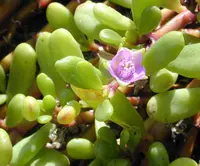
Stem pinning propagation

Pin trailing stems to the soil surface with biodegradable garden staples or small wire pins so nodes contact the substrate and root quickly, creating a denser, more erosion-resistant mat.

Erosion control layering

On slopes, stagger several rows at different heights and lightly mulch with coarse sand or fine gravel so roots knit the surface together without smothering the stems.

Traffic-resistant edging

Use plants as a living buffer along paths or between paving stones where light foot traffic may occur, since the fleshy stems recover well from minor breakage and can re-root from fragments.

Salinity monitoring routine

In containers irrigated with tap water, periodically test runoff salinity with a simple electrical conductivity meter and, if readings stay low, add a small amount of marine salt solution to keep this halophyte adapted to its preferred conditions while caring for shoreline seapurslane.

Common Pests and Diseases

Spider mites

This pest appears in hot, dry, sheltered conditions and can cause fine webbing, leaf stippling, and general loss of vigor on shoreline seapurslane mats.

Solution

Rinse stems and foliage thoroughly with a strong stream of fresh water, then repeat every few days; in persistent cases, use an insecticidal soap or horticultural oil labeled for mites, applied in the early morning and kept off very hot foliage to avoid burn.

Mealybugs

These insects hide in stem joints and among dense succulent growth, leaving cottony white clusters and sticky honeydew on the plant surface.

Solution

Remove infested shoots or pads, wipe visible clusters with cotton swabs dipped in 70% isopropyl alcohol, then follow with a thorough wash and, if needed, 2–3 rounds of insecticidal soap or low-dose systemic insecticide according to label directions.

Scale insects

This pest forms small brown or tan bumps on stems and older sections of the mat, causing yellowing and gradual decline if populations build up.

Solution

Scrape or rub off individual scales by hand or with a soft brush, prune heavily infested sections, then treat remaining stems with horticultural oil to smother juveniles, repeating after 7–10 days as needed.

Leaf spot

This disease causes small brown to dark purplish spots on leaves and young stems, which may coalesce and lead to localized dieback during warm, humid periods or when irrigation wets the foliage.

Solution

Remove and discard affected plant material, avoid overhead watering, and improve air movement; in severe or repeated cases, apply a broad-spectrum fungicide labeled for leaf spots on ornamentals, targeting new growth during extended humid weather.

Stem rot

This disease affects plants in poorly drained or waterlogged substrates, causing soft, darkened stem bases and collapse of sections of the mat, especially in container or constructed shoreline settings.

Solution

Improve drainage by reducing irrigation, using a gritty, sandy mix, and avoiding standing water; cut out affected stems back to firm tissue and discard, then, if losses continue, drench with a fungicide labeled for soilborne rots while maintaining drier conditions until recovery.

Interesting Facts

Salt excreting leaves

This species has specialized salt glands on its leaves that actively excrete excess salt, allowing it to grow in seawater-splashed zones where many plants would dehydrate and die.

Coastal soil stabilizer

Its long, creeping stems root at the nodes and form dense mats that help stabilize sandy and muddy shorelines, reducing erosion in tropical and subtropical coasts.

High salinity tolerance

The plant can complete its life cycle in highly saline substrates, including coastal marshes and salt flats, making Sesuvium portulacastrum care particularly relevant for restoring degraded coastal habitats.

Botan icon

Did you know?

This halophytic succulent is naturally pantropical, occurring on shorelines across the Atlantic, Indian, and Pacific Oceans, which means genetically related populations can be found on distant coasts such as Florida, East Africa, India, and Pacific islands, likely dispersed over long periods by drifting stem fragments and ocean currents.

FAQs about shoreline seapurslane

This species forms a low, creeping mat and can spread quickly in suitable coastal or sandy sites. It is usually manageable in gardens, but edging, containers, or physical barriers help keep stems from rooting and expanding too far.

Grow Healthy Plants with Botan Care

Keep your plants happy and healthy with plant identification, disease detection, and easy care guidance.

Botan plant care app — identify plants on mobile

Explore More Plants