Bonnievale Haworthia Care (Haworthia reticulata)

Bonnievale Haworthia

About Bonnievale Haworthia

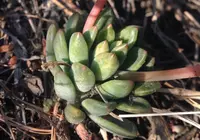
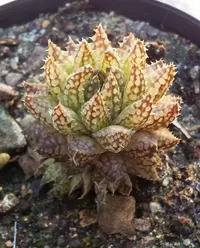
Bonnievale Haworthia, Haworthia reticulata, is a small, slow-growing succulent from South Africa’s Western Cape. It forms compact rosettes of firm, triangular leaves. The leaves usually have pale, net-like markings that give the plant a patterned, textured look. Plants stay low and clumping, making them suitable for pots and small spaces. This species is adapted to bright, dry conditions with fast-draining, gritty soil. Its drought tolerance and modest size make it relatively easy to keep indoors if overwatering is avoided. Many growers find it simple to care for Bonnievale Haworthia once its need for light and drainage is understood.

Main Plant Requirements

Care Difficulty

Easy Care

Light Preference

Bright Indirect Light

Water Requirements

Low Water

Temperature Preference

Tropical / Frost Sensitive

Hardiness Zone

10–11

Soil Texture

Sandy, Loamy, Rocky

Soil pH

Acidic (5.5–6.5), Slightly acidic (6.5–7.0)

Soil Drainage

Well-drained

Fertilization

Minimal (feed rarely)

Get Personalized Care Plan

Scan your plant to receive care tips personalized for your specific plant

Available on iOS and Android

How to Care for the Bonnievale Haworthia

This compact succulent prefers bright, indirect light that mimics dappled sun in its native habitat.

  • Provide 4–6 hours of bright, filtered light daily, such as morning sun with light shade from late morning onward.
  • Tolerates partial shade, but in very low light leaves stretch and lose patterning; Bonnievale Haworthia forms stay denser with stronger striping in brighter exposure.
  • Avoid harsh midday and afternoon sun, especially in summer, which can cause leaf scorch and bleaching; gradually increase light when moving from shade.

This species stores water in its leaves and needs thorough but infrequent watering to stay healthy.

  • Allow the top 3–5 cm of soil to dry fully before watering; use free-draining, gritty soil so water runs through quickly.
  • In spring–fall, water when leaves start to feel slightly less firm; in winter or cool, low-light periods, reduce frequency sharply.
  • Signs of overwatering include mushy, translucent leaves and blackened roots; wrinkling or inward-curving leaves with very dry soil indicate underwatering for Haworthia reticulata.

Stable, moderate warmth supports steady growth and reduces stress for this small succulent.

  • Aim for 65–80°F (18–27°C) during active growth, with slightly cooler nights to mimic natural conditions.
  • Avoid temperatures below 40°F (4°C); brief dips to 35–40°F (2–4°C) may be survived if soil is dry, but the plant is not frost tolerant.
  • In hot weather above 90°F (32°C), increase shade and airflow; reduce watering frequency slightly but water more deeply to offset rapid evaporation.

Haworthia reticulata handles typical indoor humidity well, so humidity is rarely a concern.

This succulent needs a fast-draining, mineral-rich substrate that keeps roots dry and well aerated.

  • Use a gritty mix such as 50–70% inorganic material (pumice, perlite, coarse sand) blended with cactus potting mix.
  • Aim for slightly acidic to neutral pH, around 6.0–7.0, which supports balanced nutrient availability.
  • Ensure the mix feels loose and crumbly, never compact; add more pumice or coarse sand if water lingers over 2–3 hours.
  • Avoid heavy, peat-dominant, or clay-based media that stay wet and encourage root rot, especially for Bonnievale Haworthia.

This species is well suited to container growing when the pot helps excess moisture leave the root zone quickly.

  • Choose a shallow, wide pot that matches the relatively shallow root system and reduces unused, moisture-holding depth.
  • Select unglazed terracotta if extra evaporation is needed, as its porous walls release moisture faster than plastic or glazed ceramic.
  • Raise the container slightly on pot feet or small blocks so drainage holes stay clear and water does not pool under the base.

Haworthia reticulata is a low‑feeding succulent that benefits from light, infrequent nutrition during active growth.

  • Use a balanced, low‑nitrogen liquid fertilizer (around 10‑10‑10 or 20‑20‑20) diluted to 25–50% strength for Bonnievale Haworthia.
  • Feed every 4–6 weeks in spring and summer only, after lightly watering the soil first.
  • Avoid compost‑heavy mixes; use a cactus or succulent fertilizer that will not stay wet in gritty soil.
  • In fall and winter, or when growth slows, stop feeding to prevent weak, stretched growth.

Haworthia reticulata needs minimal pruning, focused on cleanliness and controlling clump size.

  • Best timing is late spring or early summer, when the plant is actively growing and recovers faster.
  • Remove dead, dried, or rotting leaves at the base to prevent fungal issues and improve airflow.
  • Cut away crowded offsets if clumps become too dense, which maintains an attractive rosette shape.
  • Use clean, sharp scissors or a small knife, and let any cut surfaces dry before watering again.

This compact succulent prefers to stay slightly rootbound and only needs repotting occasionally.

  • Repot every 3–4 years, or when roots circle the pot, drainage slows, or growth becomes noticeably weaker.
  • Aim for late spring repotting, giving the plant a full warm season to re‑establish in fresh, gritty cactus mix.
  • Gently loosen the root ball, trim any dead or mushy roots, and brush away old compacted soil.
  • After repotting, keep in bright shade and water lightly after 5–7 days to limit root stress and rot risk.

Haworthia reticulata is most commonly propagated by division of offsets rather than by seed.

  • Separate offsets in late spring or early summer, when the plant is growing and roots form faster.
  • Carefully unpot the clump, tease away pups with their own roots, and remove damaged or mushy tissue.
  • Plant each offset in a small pot with dry, well‑drained cactus soil, and keep in bright, indirect light.
  • Wait 3–5 days before the first light watering, then water sparingly until firm new root growth is felt.

This succulent is not frost hardy and needs basic winter protection in most temperate climates.

  • Keep outdoor plants above 35–40°F; move containers indoors before the first hard frost.
  • Place indoor plants in the brightest possible spot with cool, dry conditions and good airflow.
  • Reduce watering sharply, allowing soil to dry almost completely between infrequent sips to avoid rot.
  • Avoid cold, wet soil by using free‑draining mix and pots with ample drainage holes through winter.

Care Tips

Rotate For Symmetry

Turn the pot 90° every 2–3 weeks so rosettes develop evenly and do not lean or stretch toward a single light source.

Offset Management

Gently remove and pot up offsets only when they show several roots of at least 1–2 cm, which reduces transplant shock and keeps the mother rosette compact.

Airflow Against Rot

Place the plant where there is gentle, consistent air movement and avoid crowding pots, which helps leaf bases dry quickly and reduces fungal rot risk.

Mineral Topdressing

Add a 0.5–1 cm layer of fine grit or small gravel on the soil surface to keep leaf bases dry, minimize algae and fungus gnat issues, and improve the appearance of the plant.

Seasonal Rest Adjustment

During the hottest, brightest summer weeks, slightly reduce watering frequency and avoid repotting or heavy disturbance, as this species often slows growth and benefits from a mild rest period when you grow Haworthia reticulata indoors.

Common Pests and Diseases

Aloe mite

This pest causes distorted, swollen, or tumor-like growths on leaves and at the crown, often with rough or warty tissue. Symptoms include stalled growth and unsightly galls that do not revert to normal even if mites die off.

Solution

Isolate the plant, then cut away all affected tissue well back into healthy, firm leaves using sterile tools and discard the waste in the trash. Keep the plant drier and in strong bright light, avoid overhead watering, and if new galls appear treat remaining tissue with a targeted miticide labeled for eriophyid mites, repeating as directed while monitoring for fresh distortions.

Aloe rust

This disease produces small yellow spots on leaves that turn into dark brown to black pustules, often with a yellow halo, mostly on older leaves. Symptoms include gradual cosmetic damage that can spread under cool, damp, low-light conditions.

Solution

Remove the most affected leaves, improve air circulation, and keep foliage dry by watering only at the soil level and spacing plants apart. If new spots continue to appear, apply a sulfur- or copper-based fungicide labeled for rust on succulents, and maintain a drier, brighter environment as part of long-term Haworthia reticulata care.

Soft scale

These insects appear as smooth, dome-shaped, tan to brown bumps on leaves and stems, often along the lower leaf surfaces and at the rosette base. This pest excretes sticky honeydew that can attract sooty mold and ants.

Solution

Gently scrape or wipe off visible scales with a cotton swab dipped in 70% isopropyl alcohol, repeating weekly until no new bumps appear. For heavier infestations, use a systemic insecticide labeled for container succulents and keep the plant slightly drier with good light to slow scale development.

Mealybugs

These insects form white, cottony clusters in leaf axils, at the crown, and around roots, causing stunting and yellowing over time. This pest feeds on plant sap and can spread easily between clustered succulents.

Solution

Physically remove visible mealybugs using cotton swabs dipped in 70% isopropyl alcohol and flush tight leaf crevices with a gentle alcohol-water spray, keeping it off the soil as much as possible. For persistent problems, unpot the plant to check roots, wash off old mix, remove any root mealybugs, repot into fresh gritty soil, and use a systemic insecticide if reinfestation occurs.

Bacterial soft rot

This disease causes localized mushy, water-soaked areas at the leaf base or crown, often with a foul odor and rapid collapse of affected tissue. Symptoms include leaves that detach easily and a shrinking, unstable rosette in overly wet or poorly ventilated conditions.

Solution

Immediately cut away all soft, discolored tissue with sterile tools, allowing each cut surface to dry and callus for several days before repotting into fresh, fast-draining mix. Reduce watering to short, infrequent soakings, provide stronger airflow and bright filtered light, and discard plants where the rot has reached the core, as they rarely recover.

Interesting Facts

Distinct windowed leaves

This species has translucent tissue near the leaf tips, known as leaf windows, that allow light to penetrate deeper into the rosette so inner photosynthetic cells can use low, angled light in its native rocky habitat.

Pattern linked to habitat

The fine, net-like reticulation on the leaves is more pronounced in plants growing in brighter, exposed sites in the wild, while individuals from slightly shadier microhabitats can appear greener and less patterned.

Micro-endemic distribution

Wild populations are naturally restricted to specific rocky slopes and shale outcrops in the Bonnievale region of South Africa’s Western Cape, making its native range quite localized compared with many other small succulents.

Botan icon

Did you know?

Genetic and field studies have shown that this species hybridizes naturally with closely related Haworthia in overlapping ranges, creating intermediate plants that have been used by taxonomists to better understand evolutionary relationships within the group.

FAQs about Bonnievale Haworthia

Leggy, stretched rosettes usually result from insufficient light coupled with warm indoor temperatures. The leaves elongate and lose their compact shape. Move the plant to brighter, indirect light and rotate the pot regularly to maintain even growth.

Grow Healthy Plants with Botan Care

Keep your plants happy and healthy with plant identification, disease detection, and easy care guidance.

Botan plant care app — identify plants on mobile

Explore More Plants