Staggered Sowing
Sow small patches every 2–3 weeks in spring to maintain an even stand and replace clumps that thin out, which is especially useful for caring for bald brome in small wildlife or meadow plantings.

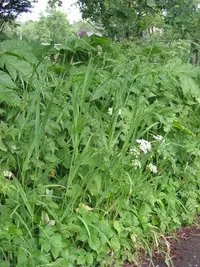
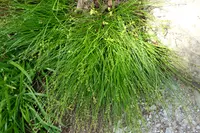
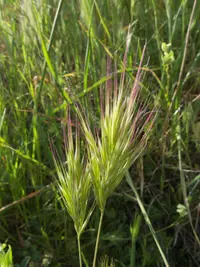
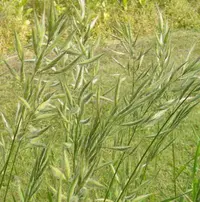
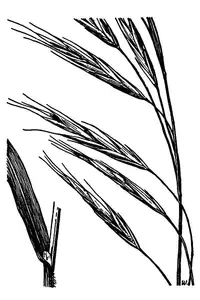
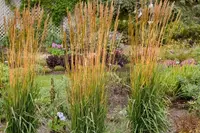
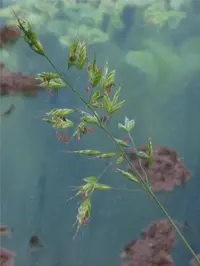
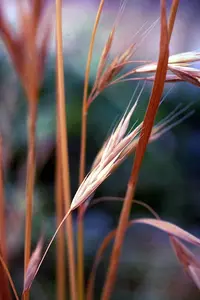
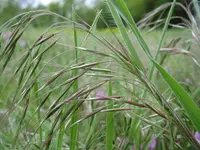
Bromus racemosus, commonly called bald brome, is an annual grass found in fields, roadsides, and disturbed ground. It often appears as a loose tuft with fine, nodding seed heads.
This species is native to parts of Europe and western Asia but has naturalized in North America, especially in cooler, moist regions. It grows quickly and completes its life cycle in one season.
Bald brome prefers open, sunny sites with moist but well-drained soils and tolerates a range of soil types. These traits make it relatively easy to establish, but its fast growth and ample seed production mean care for bald brome should consider its potential to spread.

Care Difficulty
Easy Care

Light Preference
Full Sun

Water Requirements
Regular Water

Temperature Preference
Cold Hardy

Hardiness Zone
4–9

Soil Texture
Loamy, Silty, Organic-rich

Soil pH
Slightly acidic (6.5–7.0), Neutral (7.0)

Soil Drainage
Moist but well-drained

Fertilization
Minimal (feed rarely)
Scan your plant to receive care tips personalized for your specific plant
Available on iOS and Android
This cool-season annual grass prefers bright, open conditions but tolerates some shade in mild climates.
This grass prefers consistently moist but not saturated soil, especially during active spring growth.
This species performs best in cool to mild conditions typical of spring and early summer in temperate climates.
This grass tolerates a broad humidity range and usually does not need special humidity management in typical outdoor conditions.
This annual grass prefers moderately fertile, well-structured mineral soil with reliable drainage.
This species can be grown in containers for short-term or seasonal displays if drainage and stability are managed carefully.
Bromus racemosus is an annual grass that usually needs only modest feeding in typical garden or meadow soils.
Pruning Bromus racemosus is mainly about tidying and managing self-seeding rather than shaping the plant.
This annual grass is usually direct-sown outdoors, so management focuses on site preparation and field transplanting rather than container repotting.
Reproduction of Bromus racemosus is almost always done from seed rather than vegetative methods.
This cool-season annual usually completes its life cycle before hard winter and needs little specific winter care.

Plant Health Check
Not sure what's wrong with your plant? Check your plant's health inside the app.
This annual grass is strongly associated with damp arable fields, river floodplains, and moist meadows, and its abundance often declines where traditional, seasonally wet agriculture is replaced by intensive drainage and fertilization.
In parts of Europe, Bald brome is regarded as an indicator species of less intensive, more traditional cereal cultivation, because it persists best in fields with moderate disturbance and relatively limited herbicide use.
The species completes its life cycle in a single growing season, producing many seeds in loose, nodding panicles that disperse before fields are harvested or meadows are cut.
This grass is typically an annual species. It completes its life cycle in 1 growing season, germinating from seed, forming foliage and flowering stems, then setting seed and dying back before the next season.
Keep your plants happy and healthy with plant identification, disease detection, and easy care guidance.