Early stand thinning
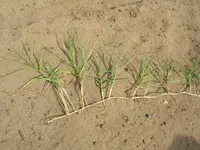
If plants emerge too densely, thin seedlings to small clumps with 10–15 cm spacing to improve airflow and reduce fungal disease pressure in moist seasons.

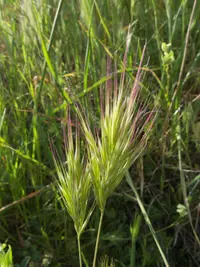
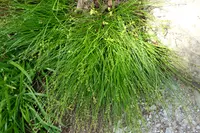
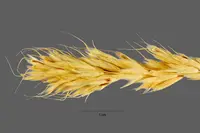
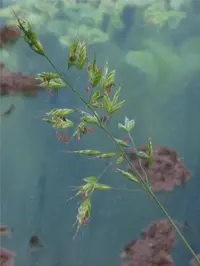
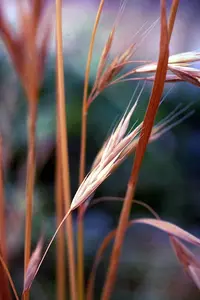
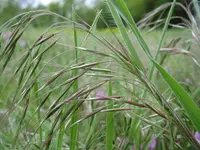
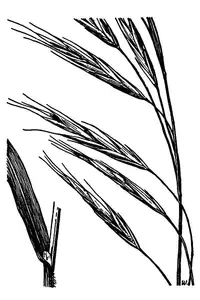
Red brome, Bromus rubens, is an annual grass known for its fine texture and reddish to purple seed heads. It forms loose tufts and often creates soft, hazy drifts in open areas.
This species is native to the Mediterranean region but has become widespread in many dry, disturbed sites across the western United States. It grows quickly, sets seed early, and can spread efficiently, which makes it persistent once established.
To care for red brome in cultivation, provide full sun, dry to moderately moist conditions, and well-drained soil. It is generally low-maintenance but can self-seed vigorously if not managed.

Care Difficulty
Easy Care

Light Preference
Full Sun

Water Requirements
Low Water

Temperature Preference
Warm Climate

Hardiness Zone
5–10

Soil Texture
Sandy, Loamy, Rocky

Soil pH
Slightly acidic (6.5–7.0), Slightly alkaline (7.0–7.5)

Soil Drainage
Well-drained

Fertilization
Minimal (feed rarely)
Scan your plant to receive care tips personalized for your specific plant
Available on iOS and Android
This annual grass prefers bright, open sites with strong sun exposure for compact, healthy growth.
This species is drought tolerant once established and prefers to dry slightly between waterings.
This cool-season grass grows best in mild conditions and slows or dies back in high heat.
Humidity is not a major factor for Bromus rubens, which is adapted to dry, open habitats.
Bromus rubens grows best in lean, well-drained, mineral soils rather than rich, moisture-retentive substrates.
This species can be grown in containers, mainly for short-term display or study rather than long-term culture.
This annual grass usually needs no feeding in typical garden or wild settings.
Pruning Bromus rubens is mainly done to tidy plants and limit reseeding.
Transplanting is uncommon, as this grass is usually direct-sown or self-seeded in place.
Bromus rubens is typically propagated by seed rather than vegetative methods.
This annual grass is generally cold tolerant and needs no special winter care in its normal range.

Plant Health Check
Not sure what's wrong with your plant? Check your plant's health inside the app.
Bromus rubens is native to Mediterranean climates and behaves as a cool-season annual grass, germinating with autumn rains, growing through winter, and setting seed in late spring before summer drought.
Its dense, reddish-purple inflorescences dry to form highly flammable fuel, which can increase the intensity and spread of grass-fueled wildfires in invaded dryland ecosystems.
In parts of the western United States, this species forms near-monoculture stands in disturbed or overgrazed sites, altering plant community composition and competing strongly with many native annuals and perennials.

The sharp, awned seeds of this grass can readily attach to animal fur and clothing, allowing Bromus rubens to disperse over long distances along human and livestock travel routes.
In many arid and Mediterranean-climate regions, this species is classified as invasive. It forms dense stands, displaces native vegetation, and increases wildfire risk. Always check local regulations before planting or allowing it to spread.
Keep your plants happy and healthy with plant identification, disease detection, and easy care guidance.