Timed pasture use
If used as forage, rotate grazing animals through rescuegrass stands for short periods and allow 3–4 weeks of regrowth, which reduces compaction and extends the stand’s productive life.

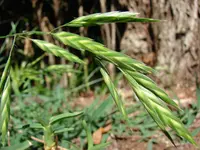
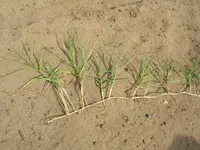
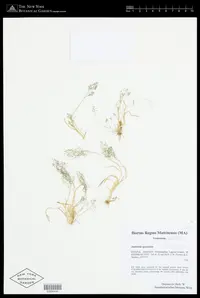
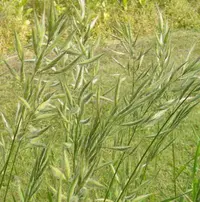
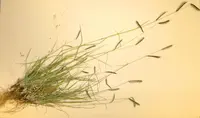
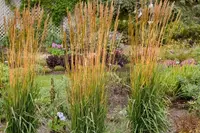
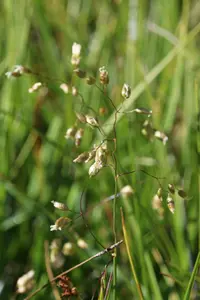
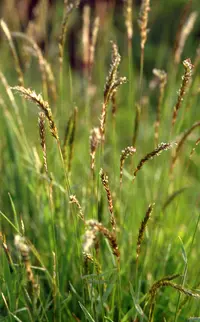
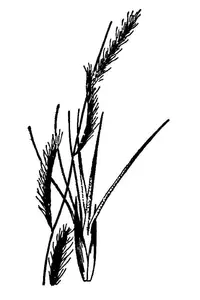
Rescuegrass, Bromus catharticus, is a cool-season annual or short-lived perennial grass often found in pastures, roadsides, and disturbed urban areas. It forms loose clumps with upright, leafy stems and open, nodding flower heads.
This species is native to South America but is now naturalized in many temperate regions, including parts of North America. It establishes quickly, tolerates a range of soils, and competes well with other grasses, which makes it relatively easy to manage where conditions suit it.
Those who want to care for rescuegrass should know it prefers sunny, open sites with moderate moisture and reasonably fertile, well-drained soil.

Care Difficulty
Easy Care

Light Preference
Full Sun

Water Requirements
Moderate Water

Temperature Preference
Cool Climate

Hardiness Zone
5–9

Soil Texture
Sandy, Loamy, Silty

Soil pH
Slightly acidic (6.5–7.0), Neutral (7.0)

Soil Drainage
Well-drained

Fertilization
Minimal (feed rarely)
Scan your plant to receive care tips personalized for your specific plant
Available on iOS and Android
Bromus catharticus prefers full sun but tolerates some shade, especially in warmer regions.
This cool-season grass prefers consistently moist, well-drained soil without becoming waterlogged.
This species is a cool-season grass that grows best in mild temperatures and slows in heat.
Humidity is not a major factor for Bromus catharticus, which adapts well to typical outdoor air conditions in most regions.
Bromus catharticus prefers moderately fertile, well-drained mineral soil that does not stay waterlogged.
This species can be grown in containers outdoors, mainly for temporary display or small-scale trials.
Bromus catharticus grows vigorously in average soil and only benefits from light, targeted feeding in managed plantings.
Pruning Bromus catharticus is mainly done to maintain stand health and appearance rather than strict shaping.
This grass is most often grown in the ground, so care focuses on transplanting clumps rather than frequent repotting.
Bromus catharticus is commonly propagated by seed and by dividing established clumps.
This cool‑season grass is generally cold hardy in temperate climates and needs minimal winter care once established.

Plant Health Check
Not sure what's wrong with your plant? Check your plant's health inside the app.
This grass typically completes its life cycle in a single growing season and is often self‑fertile, allowing it to set viable seed even when plants are sparsely distributed.
Individual plants can produce large numbers of seeds, which contributes to its rapid spread in disturbed sites such as roadsides, pastures, and urban waste areas.
It grows most actively during cool seasons, often germinating in fall or late winter and flowering in spring, then declining as temperatures rise in early summer.

This species has been widely introduced from its native South America to regions including North America, Europe, Australia, and New Zealand, where it can become a locally dominant component of grassland and roadside vegetation due to its adaptability to a range of soils and climates.
This cool-season grass establishes quickly, often germinating and forming usable cover within a few weeks. Growth is fastest in mild, moist weather and slows or stops in hot conditions or if soil is compacted or nutrient-poor.
Keep your plants happy and healthy with plant identification, disease detection, and easy care guidance.