Sprengel's sedge Care (Carex sprengelii)

Also known as: longbeak sedge
Sprengel's sedge

About Sprengel's sedge

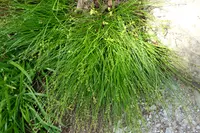
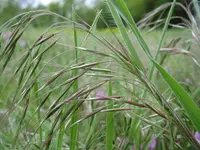
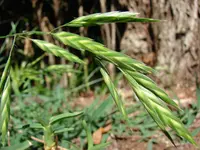
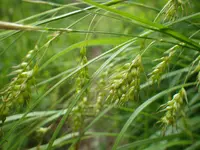
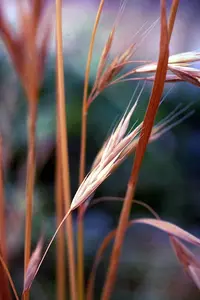
Sprengel's sedge (Carex sprengelii) is a cool-season, clumping grass-like perennial from North America. It belongs to moist woodland edges, ravines, and shaded slopes. Plants form loose arching tufts with narrow green leaves and distinctive nodding flower spikes that give a soft, natural look. It typically spreads slowly by short rhizomes, so it is easier to manage than aggressive sedges. This species adapts well to dappled shade, consistent moisture, and humus-rich, well-drained soil. Once established, it tolerates some dryness and cold, which simplifies how to care for Sprengel's sedge in temperate gardens or naturalized plantings.

Main Plant Requirements

Care Difficulty

Easy Care

Light Preference

Partial Shade

Water Requirements

Regular Water

Temperature Preference

Cold Hardy

Hardiness Zone

3–7

Soil Texture

Loamy, Silty, Organic-rich

Soil pH

Acidic (5.5–6.5), Slightly acidic (6.5–7.0)

Soil Drainage

Moist but well-drained

Fertilization

Minimal (feed rarely)

Get Personalized Care Plan

Scan your plant to receive care tips personalized for your specific plant

Available on iOS and Android

How to Care for the Sprengel's sedge

This woodland sedge prefers bright conditions without harsh, all-day sun.

  • Provide 3–6 hours of morning sun or bright, dappled light; light afternoon shade prevents leaf scorch, especially in warmer regions.
  • Sprengel's sedge tolerates partial shade, but in dense shade clumps thin out, growth slows, and flowering is reduced.
  • In cooler climates, it can handle more direct sun if soil stays moist; watch for paling or crispy leaf tips as a sign of excessive sun exposure.

This species prefers consistently moist, but not waterlogged, soil.

  • Allow only the top 1–2 cm of soil to dry before watering again; soil below should feel slightly damp, not soggy.
  • Increase watering during hot, dry periods and reduce in cool, rainy weather or fall, letting natural rainfall supply most moisture where possible.
  • Signs of underwatering include wilting and browning leaf tips, while yellowing, soft bases or a sour smell suggest poor drainage and overwatering for Carex sprengelii.

This hardy sedge tolerates a wide temperature range typical of outdoor conditions in temperate climates.

  • Active growth occurs around 55–75°F (13–24°C), with the best foliage and flowering in cool to mild spring and early summer weather.
  • Mature plants withstand winter cold well below 0°F (-18°C) when planted in the ground, dying back above soil but regrowing from the crown in spring.
  • Established clumps tolerate summer heat up to about 85–90°F (29–32°C) if soil remains moist; prolonged heat with dry soil stresses plants and can cause browning.

This sedge handles a wide range of outdoor humidity and rarely needs special humidity management.

This species prefers consistently moist, well-drained, organic-rich soil that stays airy around the roots.

  • Use a loamy mix with high organic matter, such as garden loam blended with compost and leaf mold, to mimic woodland soils.
  • Keep drainage moderate to fast; avoid heavy clay that stays waterlogged or fine sand that dries out quickly between waterings.
  • Aim for slightly acidic to neutral pH around 6.0–7.0, which supports healthy nutrient uptake in Carex sprengelii.
  • Improve aeration by mixing in 10–20% fine bark or perlite so roots receive enough oxygen even when the soil is moist.

This species adapts well to container growing when moisture and root space are carefully managed.

  • Choose a deep, relatively narrow pot to support the fibrous root mass while limiting excess surface area that would speed evaporation.
  • Select a heavier material such as ceramic if the container is tall, to prevent tipping as the clumps arch outward.
  • Raise the pot slightly on feet or bricks so drainage holes stay clear and water cannot pool under the container.

This native sedge needs only modest feeding, especially when grown in suitable soil.

  • Apply a light top-dressing of compost or leaf mold in early spring to support new growth.
  • Where soil is poor, use a balanced slow-release fertilizer (around 10-10-10) once in spring.
  • Dilute liquid feeds to half strength if used, and avoid applying more often than every 6–8 weeks in the growing season.
  • Stop fertilizing Carex sprengelii in late summer to allow natural hardening before winter dormancy.

Pruning Carex sprengelii focuses on seasonal cleanup rather than reshaping.

  • In late winter or very early spring, cut back dead or winter-burned foliage to 5–8 cm above the crown.
  • Remove damaged, diseased, or badly crowded shoots during the growing season to maintain airflow.
  • Use clean, sharp hand shears or scissors to avoid tearing the narrow leaves.
  • Light pruning encourages a fresh flush of foliage and maintains a neat clumping habit.

This sedge is usually grown in the ground, so care centers on dividing and transplanting mature clumps.

  • Transplant or divide in early spring or early fall when temperatures are mild and soil is moist.
  • Look for congested clumps, thin centers, or slow growth as signs that Carex sprengelii benefits from lifting and resetting.
  • Gently lift clumps with a spade or fork, shake off excess soil, and tease apart sections with healthy roots and shoots.
  • Replant divisions at the same depth, water thoroughly, and keep soil evenly moist for several weeks to limit root stress.

Carex sprengelii is most often propagated by division, with seed used mainly for restoration or larger projects.

  • Divide established clumps in early spring or early fall, choosing healthy, vigorous plants.
  • Split the root mass into sections, each with several shoots and a good root portion, using a sharp knife or spade.
  • Replant divisions immediately into moist, well-drained soil and water consistently until new growth resumes.
  • For seed, sow fresh seed outdoors in fall or provide cold stratification, as many sedge seeds need a chilling period to germinate.

This cold-hardy native sedge generally needs minimal winter care in most temperate climates.

  • Tolerates freezing temperatures and snow cover, with foliage often browning but crowns surviving.
  • Apply a thin mulch layer of leaves or compost around the root zone in late fall in exposed or very cold sites.
  • Container-grown plants are more vulnerable; move pots into a sheltered, unheated area to reduce freeze–thaw stress.

Care Tips

Encourage Clump Spread

When plants are well established, gently lift and replant a few outer shoots in early spring at the same depth to create a wider, natural-looking colony along shaded borders or woodland paths.

Understory Companion Use

Plant it in front of taller, open-canopy shrubs or small trees so fallen leaves act as a light, natural mulch that cools the root zone and reduces weeding around the clumps.

Seed Retention Management

If self-seeding is desirable, delay cutting back old flower stalks until late winter so seed can drop in place, but remove spent stems earlier in maintained beds where unwanted spread would be a problem.

Slope Stabilization Planting

On gentle slopes, stagger plants in a triangular grid and lightly mulch between them with shredded bark to help stabilize soil and reduce surface runoff while the dense root systems establish.

Low-Disturbance Maintenance

Use light hand-weeding instead of hoeing around the base and avoid heavy foot traffic near crowns, as minimal soil disturbance supports long-term vigor when caring for Sprengel's sedge in naturalized plantings.

Common Pests and Diseases

Rust

This disease causes orange to brown powdery pustules on leaves and can lead to premature leaf yellowing and decline. Symptoms include small spots that expand and may merge in humid conditions.

Solution

Remove and dispose of affected leaves to reduce spore spread, avoid overhead watering, and thin nearby vegetation to improve air circulation. In recurring cases, use a sulfur or chlorothalonil-based fungicide labeled for ornamental grasses, applying according to label directions and timing treatments during dry weather.

Leaf spot

This disease produces small water-soaked or tan to dark brown lesions on foliage that may develop pale centers and darker margins. Symptoms include patchy thinning of clumps where many leaves are affected.

Solution

Cut back and discard infected foliage, keep the plant crown dry by watering at soil level, and space plants so they dry quickly after rain. In persistent or severe cases, apply a broad-spectrum ornamental grass fungicide and rotate products if treatments are needed over multiple seasons.

Sedge billbug

This pest is a small snout beetle whose larvae tunnel inside stems and crowns, causing wilting, yellow patches, and dieback in clumps. Symptoms include hollow or shredded stems that break easily near the base.

Solution

Remove and discard severely damaged clumps and plant debris to reduce overwintering sites, and encourage natural predators by maintaining plant diversity nearby. Where damage is confirmed and significant, target larvae with an insecticide labeled for billbugs on turf and ornamental sedges, applying to the crown and soil surface in late spring when adults are active.

Scale insects

These insects appear as small, fixed bumps on leaf bases and stems and feed on plant sap, sometimes leading to leaf yellowing and reduced vigor. This pest can be more apparent on plants grown in sheltered or shaded sites.

Solution

Wipe or gently scrape off visible scales and prune heavily infested shoots, disposing of material securely. For ongoing infestations, use a horticultural oil spray during mild weather, coating stems and leaf bases thoroughly while avoiding application during high heat or direct midday sun.

Smut

This disease forms dark, sooty spore masses in flowers or along leaf tissue, distorting growth and reducing ornamental quality. Symptoms include black streaks or powdery deposits that rub off onto fingers or clothing.

Solution

Cut and destroy infected flowering stems or entire affected clumps, and avoid moving contaminated material through mowing or trimming. Replant from healthy, certified stock and avoid heavy nitrogen fertilization, which can favor soft, susceptible growth when growing Sprengel's sedge in ornamental plantings.

Interesting Facts

Loose, nodding spikes

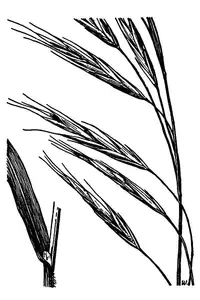
This species forms open, arching flower spikes that dangle loosely from the stem, a distinctive feature that makes it easy to separate from many other North American woodland sedges with tighter, upright spikes.

Early woodland bloomer

It is among the earlier sedges to flower in spring in deciduous forests, producing its nodding spikes before or as the tree canopy leafs out, which allows effective wind pollination before shade increases.

Specialist forest habitat

In nature it occurs mainly in rich, moist to mesic deciduous woodlands and forested slopes rather than open wetlands, so its presence can indicate relatively undisturbed, nutrient-rich forest soils.

Botan icon

Did you know?

Sprengel's sedge has a distinctly drooping growth habit, with leaves and flower stalks that curve outward and down from a small clump, giving the plant a soft, fountain-like appearance that is unusual among many of its more upright Carex relatives.

FAQs about Sprengel's sedge

This species forms loose clumps and spreads by short rhizomes and self-seeding. It is not usually aggressive in average garden conditions but can slowly naturalize in suitable woodland or shaded meadow sites without strict edging.

Grow Healthy Plants with Botan Care

Keep your plants happy and healthy with plant identification, disease detection, and easy care guidance.

Botan plant care app — identify plants on mobile

Explore More Plants