Early stand establishment
Sow in late summer or very early fall so plants establish a deep root system before winter, which improves survival and vigor in the following growing season.

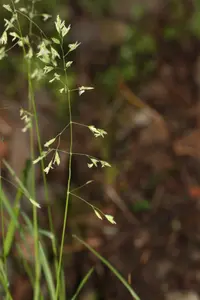
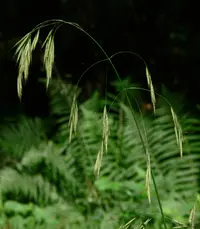
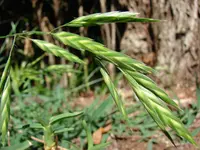
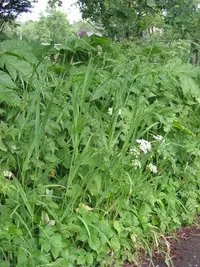
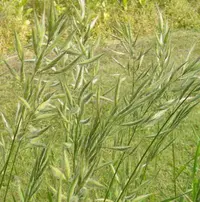
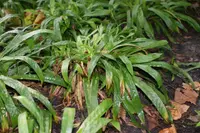
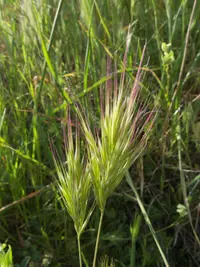
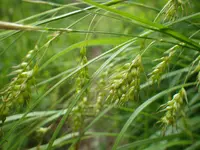
Alaska brome (Bromus sitchensis) is a cool-season perennial grass native to coastal regions of Alaska and the Pacific Northwest. It typically forms loose, upright clumps with arching stems and narrow leaves. The plant produces nodding seed heads that give it a soft, meadow-like look, making it useful in naturalistic plantings and restoration projects. It spreads by seed rather than aggressive rhizomes, so it is usually manageable in gardens. This grass prefers cool, moist conditions, fertile soil, and consistent moisture, which makes it easier to grow in temperate, coastal, or cooler summer climates. Understanding how to care for Alaska brome starts with matching its cool, moist habitat as closely as possible.

Care Difficulty
Easy Care

Light Preference
Partial Sun

Water Requirements
Regular Water

Temperature Preference
Cold Hardy

Hardiness Zone
4–8

Soil Texture
Loamy, Silty, Organic-rich

Soil pH
Acidic (5.5–6.5), Slightly acidic (6.5–7.0)

Soil Drainage
Moist but well-drained

Fertilization
Minimal (feed rarely)
Scan your plant to receive care tips personalized for your specific plant
Available on iOS and Android
This cool-season grass prefers bright, gentle light typical of open woodland edges or moist meadows.
This species prefers consistently moist, cool soils and does poorly if allowed to dry out completely.
This native cool-season grass thrives in mild, maritime-type climates.
This cool-season grass tolerates a wide humidity range and usually needs no special humidity management.
This species prefers moist, well-structured, aerated soil that does not stay waterlogged.
This grass can be grown in containers if the pot allows for its fibrous root system and upright growth.
This cool-season grass grows well in ordinary soil and usually needs only light feeding.
Bromus sitchensis responds well to light, timed pruning that keeps clumps tidy and vigorous.
This bunchgrass is more often transplanted in the landscape than kept long term in containers.
Division and seed sowing are the main methods for increasing Bromus sitchensis in gardens or restoration sites.
This species is generally cold hardy and often needs little dedicated winter care in temperate climates.

Plant Health Check
Not sure what's wrong with your plant? Check your plant's health inside the app.
This species is native to moist coastal forests from Alaska to northern California, where it often grows under conifers in cool, shaded to semi-open sites with high rainfall.
Unlike many lawn-forming bromes, it grows as a loosely tufted bunchgrass, with individual clumps rather than a continuous carpet, which creates a more open structure on the forest floor.
In its native range, its foliage and seeds provide food for deer, small mammals, and ground-feeding birds, making it a useful component of habitat restoration in Pacific Northwest ecosystems.

Bromus sitchensis is frequently used in coastal forest restoration projects in the Pacific Northwest because it establishes quickly on disturbed, shady, and moist sites while remaining compatible with native understory species, helping to stabilize soil without outcompeting slower-growing plants.
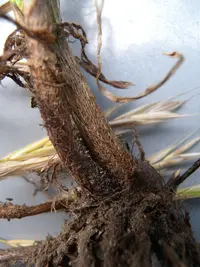
This species spreads by seed and short rhizomes, forming loose clumps rather than dense sod. In most gardens it is not aggressively invasive, but in cool, moist regions it can self-seed and slowly expand if unmanaged.
Keep your plants happy and healthy with plant identification, disease detection, and easy care guidance.