Wormwood Care (Artemisia absinthium)

Also known as: absinthium, absinthe wormwood, Absinthe
Wormwood

About Wormwood

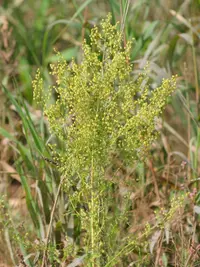
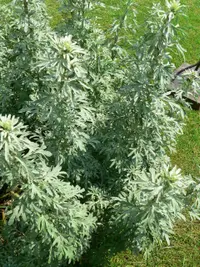
Wormwood (Artemisia absinthium) is a woody, aromatic perennial herb known for its silvery-grey, finely divided leaves and strong, bitter scent. It forms upright clumps and can become a striking foliage feature in sunny borders or herb gardens.

This species is native to Europe and parts of Asia but is now naturalized in many temperate regions, including North America. It thrives in full sun, lean or rocky soil, and dry to moderately dry conditions, so it usually dislikes heavy, wet ground.

Once established, wormwood is relatively low-maintenance and drought tolerant, which makes it easier to care for Wormwood in suitable climates than many thirstier herbs.

Main Plant Requirements

Care Difficulty

Easy Care

Light Preference

Full Sun

Water Requirements

Low Water

Temperature Preference

Cold Hardy

Hardiness Zone

4–9

Soil Texture

Sandy, Loamy, Rocky

Soil pH

Slightly acidic (6.5–7.0), Slightly alkaline (7.0–7.5)

Soil Drainage

Well-drained

Fertilization

Minimal (feed rarely)

Get Personalized Care Plan

Scan your plant to receive care tips personalized for your specific plant

Available on iOS and Android

How to Care for the Wormwood

Artemisia absinthium thrives in bright, open sites with strong sun exposure.

  • Aim for 6–8 hours of direct sun daily; full sun promotes dense, aromatic foliage and stronger stems in Wormwood.
  • Plant in a spot with morning to early afternoon sun; in very hot summers, light afternoon shade helps prevent leaf scorch and excessive wilting.
  • In cooler seasons or cloudy climates, choose the sunniest available location and avoid heavy shade, which causes weak, leggy growth and reduced essential oil content.

This drought-tolerant subshrub prefers dry to slightly moist soil rather than consistent moisture.

  • Water only when the top 3–5 cm of soil is completely dry; established Artemisia absinthium in the ground often needs little supplemental water outside prolonged drought.
  • Use sharply drained, sandy or gravelly soil so excess water runs off quickly, reducing root rot risk and yellowing lower leaves.
  • In cooler months, water very sparingly; watch for limp, crisp leaves as a sign of underwatering, and for soft, blackened stems as a sign of overwatering.

This hardy perennial tolerates a wide temperature range but grows best under moderate conditions.

  • Optimal growth occurs around 65–80°F (18–27°C), with steady airflow helping to keep foliage dry and disease pressure low.
  • Mature plants usually survive down to about 0°F (−18°C) in well-drained soil, dying back above ground but resprouting from the base in spring.
  • Heat tolerance is good up to roughly 90–95°F (32–35°C) if soil is not waterlogged; extreme heat combined with high humidity can cause stress and foliage decline.

Artemisia absinthium handles low indoor humidity well and rarely needs special humidity management.

Artemisia absinthium prefers lean, very free-draining soil that dries quickly after watering.

  • Use a sandy or sandy-loam mix with low organic matter to mimic dry, rocky native conditions.
  • Ensure very sharp drainage by blending 50–60% coarse sand or grit with 40–50% standard potting mix.
  • Aim for slightly alkaline to neutral pH around 7.0–7.8; avoid strongly acidic mixes and heavy peat bases.
  • Avoid compacted, water-retentive clay or dense compost that stays wet, which quickly promotes root rot.

This species is suitable for container growing when the pot setup favors strong drainage and a stable root run.

  • Choose a deep, wide container to allow its woody root system to anchor and prevent the plant from becoming top-heavy in wind.
  • Select unglazed terracotta if possible, as it wicks moisture from the mix and helps keep roots on the dry side.
  • Raise the pot on feet or blocks so drainage holes stay clear and excess water can escape rapidly after rain or watering.

Artemisia absinthium is adapted to lean soils and needs only light feeding in cultivation.

  • Use a balanced, low-dose granular fertilizer or a thin layer of mature compost in spring as new growth starts.
  • Feed once per growing season in the ground; container-grown Wormwood may benefit from 2 light feedings.
  • Apply at half the label strength to avoid lush, weak growth and loss of aromatic oils.
  • Do not fertilize in winter or when growth is dormant, as nutrients will not be effectively used.

Pruning helps Artemisia absinthium maintain a compact, bushy shape and healthy foliage.

  • Carry out main pruning in late winter or very early spring before strong new growth starts.
  • Remove dead, damaged, or leggy stems, and thin crowded shoots to improve air flow and light penetration.
  • Lightly shape the outer growth with clean hand pruners, avoiding cuts into very old, woody bases.
  • Shear back spent flower stalks after blooming to reduce self-seeding and encourage fresh gray foliage.

This shrub is more often transplanted in the garden than kept long term in containers.

  • Transplant Artemisia absinthium in early spring or early fall when temperatures are mild and soil is workable.
  • Look for signs such as roots circling the pot, water running straight through, or noticeably slowed growth.
  • Move to a slightly larger container or new bed with well-drained, gritty soil to prevent root rot.
  • Water thoroughly after transplanting, then keep soil lightly moist for 1–2 weeks to limit transplant shock.

Artemisia absinthium is commonly propagated by cuttings, division, or seed.

  • Take 7–10 cm softwood or semi-ripe stem cuttings in late spring to summer and root in sandy, well-drained mix.
  • Divide mature clumps in early spring, replanting vigorous sections at the same depth as before.
  • Sow fresh seed in spring on the surface of a well-drained seed mix and keep lightly moist until germination.
  • Provide bright light, good air circulation, and moderate warmth (60–70°F) to support fast rooting and seedling growth.

Mature Artemisia absinthium is generally cold hardy and needs minimal winter care in most temperate climates.

  • In colder regions, apply a light mulch layer around the root zone after the ground cools, not directly against stems.
  • Allow top growth to die back naturally; cut back dead stems in late winter or early spring.
  • For container plants in very cold areas, move pots to a sheltered, unheated but frost-moderated space.

Care Tips

Staggered Rejuvenation

Every 3–4 years, cut back only one-third of the oldest, woodiest stems to near the base in early spring so the plant renews gradually without losing its overall shape or ornamental value in that season.

Scent Barrier Use

Plant at the edge of mixed borders or near susceptible ornamentals so its strong fragrance helps deter browsing by deer and rabbits without relying on sprays.

Preventing Woody Centers

Pinch or lightly shear the tips of new growth after flowering to keep stems branching outward and reduce the risk of a bare, woody center forming over time.

Root Zone Control

Install a simple root barrier or leave a 20–30 cm mulch-free strip between this plant and delicate perennials to limit slow lateral spread and competition in dry soils when growing Wormwood.

Seedling Management

Check surrounding soil in spring for volunteer seedlings, removing or transplanting them while small so the planting stays controlled and does not become too dense or scruffy.

Common Pests and Diseases

Rust

This disease causes yellow to orange powdery pustules on the undersides of leaves and can lead to premature leaf drop in humid conditions.

Solution

Remove and discard affected leaves, avoid overhead watering, and improve spacing and airflow around plants; if rust persists, treat foliage with a sulfur or copper-based fungicide labeled for ornamental herbs, applying in dry, calm weather according to label directions.

Powdery mildew

This disease produces a white, powdery film on leaves and young stems, often appearing during warm days and cool, humid nights.

Solution

Increase air circulation, thin crowded stems, and water at the base in the morning; if needed, apply a potassium bicarbonate or horticultural oil product suitable for edible or medicinal herbs, ensuring thorough coverage of both upper and lower leaf surfaces.

Aphids

These insects suck sap from tender shoots and flower stems, causing curled or distorted growth and sticky honeydew that can attract sooty mold.

Solution

Spray plants with a strong stream of water to dislodge colonies, encourage natural predators such as lady beetles, and, if populations remain high, use insecticidal soap or a light horticultural oil, repeating applications as new aphids appear.

Spider mites

This pest thrives in hot, dry conditions and causes fine stippling, dull foliage, and delicate webbing on stems and leaf undersides.

Solution

Rinse foliage thoroughly with water, focusing on leaf undersides, then maintain slightly higher humidity and good airflow; if infestation is significant, apply insecticidal soap or a miticide labeled for ornamental herbs, rotating products if treatment is repeated.

Leaf spot

Symptoms include small, brown to gray spots on leaves that may enlarge and merge, leading to partial foliage blight during extended wet weather.

Solution

Prune and dispose of heavily spotted leaves, avoid wetting the foliage, and improve drainage; for recurring problems, apply a copper-based fungicide preventively at the start of wet periods, following product instructions closely as part of broader Artemisia absinthium plant care.

Interesting Facts

Highly bitter chemistry

This species contains bitter sesquiterpene lactones such as absinthin, which give it one of the most intensely bitter tastes known from culinary herbs and help deter many herbivores from feeding on it.

Component of absinthe

The plant historically provided the characteristic flavor and name of the alcoholic drink absinthe, though modern absinthe uses carefully regulated amounts of wormwood to control levels of the compound thujone.

Dry-steppe specialist

In its native Eurasian range, this shrub typically grows in dry, well-drained, often calcareous soils in steppe and disturbed habitats, showing high tolerance to wind, low rainfall, and nutrient-poor conditions.

Botan icon

Did you know?

In several parts of Europe and western Asia, dense stands of this wormwood can form semi-natural communities that strongly influence local plant succession, as its aromatic leaf litter and root exudates can chemically inhibit the germination and growth of nearby competing species.

FAQs about Wormwood

Sparse or absent flowers usually result from too much shade, overly rich or wet soil, or heavy pruning at the wrong time. Ensure strong sun, well-drained ground, and prune lightly after flowering, not in early spring.

Grow Healthy Plants with Botan Care

Keep your plants happy and healthy with plant identification, disease detection, and easy care guidance.

Botan plant care app — identify plants on mobile

Explore More Plants