BotaN logo

narrowleaf zinnia Care (Zinnia angustifolia)

narrowleaf zinnia

About narrowleaf zinnia

Narrowleaf zinnia (Zinnia angustifolia) is a compact, sun-loving annual from arid regions of Mexico and the southwestern United States. It is commonly grown as a bedding or border plant. Plants form low mounds with many slender leaves and small, single daisy-like flowers in shades of yellow, orange, or white. The tidy growth habit suits edging, containers, and mass plantings. This species is valued for its strong heat and drought tolerance, which makes it forgiving for beginners and busy gardeners. Flowers attract butterflies and other pollinators over a long season. To care for narrowleaf zinnia, provide plenty of sun, well-drained soil, and moderate watering without prolonged soggy conditions.

Main Plant Requirements

Care Difficulty

Easy Care

Light Preference

Full Sun

Water Requirements

Moderate Water

Temperature Preference

Tropical / Frost Sensitive

Hardiness Zone

9–11

Soil Texture

Sandy, Loamy, Organic-rich

Soil pH

Acidic (5.5–6.5), Slightly acidic (6.5–7.0)

Soil Drainage

Well-drained

Fertilization

Light (every 4–6 weeks)

Get Personalized Care Plan

Scan your plant to receive care tips personalized for your specific plant

Available on iOS and Android

How to Care for the narrowleaf zinnia

This species needs strong sun to bloom densely and stay compact.

  • Provide 6–8 hours of direct sun daily; narrowleaf zinnia performs best with full morning and midday sun in open beds or borders.
  • It tolerates light afternoon shade, especially in hot regions, but less than 4–5 hours of direct sun leads to weak stems and sparse flowers.
  • In late fall or during overcast periods, choose the brightest site available and avoid heavy shade from shrubs, fences, or buildings.

Zinnia angustifolia prefers evenly moist but not saturated soil with brief dry periods between waterings.

  • Outdoors in the ground, water when the top 3–5 cm of soil feels dry, then soak the root zone deeply rather than giving light surface splashes.
  • Use well-drained soil; persistent wetness, sour smell, yellowing lower leaves, and soft stems indicate overwatering and risk of root rot.
  • In hot, dry weather, expect faster drying and more frequent watering; in cool or rainy periods, extend intervals and only water if the soil actually dries.

This warm-season annual thrives in consistently mild to hot conditions without frost.

  • Best growth occurs around 70–85°F (21–29°C), when flowering is continuous and foliage stays dense and healthy.
  • Plant outdoors only after nights are reliably above 55°F (13°C); frost at 32°F (0°C) or below kills plants outright or causes severe tissue damage.
  • Established plants tolerate brief heat up to about 95°F (35°C) if soil moisture is maintained, but extended extreme heat with dry soil reduces flowering and stresses plants.

Humidity is not a key factor for Zinnia angustifolia, which thrives in typical outdoor conditions.

Zinnia angustifolia performs best in light, well-drained soil that never stays waterlogged.

  • Use a sandy or sandy-loam mix with 20–30% compost to provide structure and nutrients while staying loose.
  • Ensure very fast drainage by adding coarse sand or perlite, especially in heavy native soils.
  • Aim for slightly acidic to neutral pH, around 6.0–7.5, avoiding strongly acidic or alkaline sites.
  • Avoid compacted, clay-heavy, or constantly wet soil, which encourages root rot and weak, disease-prone growth.

This species is well suited to container growing outdoors.

  • Choose a relatively wide, shallow pot to support its spreading habit and allow lateral root development.
  • Select a lightweight potting mix that drains in seconds after watering so roots are never left in standing moisture.
  • Use a heavier container material or add surface mulch to keep the pot stable and reduce rapid drying in full sun.

Light, consistent feeding supports compact growth and generous flowering in narrowleaf zinnia.

  • Use a balanced, water-soluble fertilizer (around 10-10-10 or 20-20-20) at 1/2 strength for container plants.
  • Feed every 3–4 weeks during the active growing and blooming season.
  • Supplement in-ground plants with a thin layer of compost once in spring.
  • Stop fertilizing in late summer to early fall so plants can slow down before cold weather.

Thoughtful pruning keeps Zinnia angustifolia dense, tidy, and long-blooming.

  • Begin light shaping and deadheading once plants start flowering in late spring or early summer.
  • Remove spent blooms down to a leaf node to encourage more branching and flowers.
  • Cut out dead, diseased, or crowded stems with clean, sharp scissors or hand pruners.
  • Shear lightly in midsummer if plants become leggy, then water and monitor for quick regrowth.

This annual is usually transplanted rather than long-term repotted, since it completes its life cycle in one season.

  • Transplant seedlings outdoors after frost risk passes and soil has warmed in spring.
  • Move plants from cell packs or small pots once roots lightly fill the root ball but before they circle heavily.
  • Space plants so mature canopies do not touch, reducing stress and disease risk.
  • Water well after transplanting, then shade lightly for 1–2 days to limit transplant shock.

Zinnia angustifolia is most commonly propagated from seed for uniform, vigorous plants.

  • Sow seeds indoors 4–6 weeks before the last frost, or directly outdoors after frost risk has passed.
  • Provide warm soil at 70–75°F and bright light; seeds usually germinate in 5–10 days.
  • Cover seeds very lightly with fine soil or vermiculite, then keep evenly moist but not waterlogged.
  • Collect dry seed heads at season’s end, store cool and dry, and label by color or cultivar.

This species behaves as a frost-tender annual in most climates and typically does not overwinter outdoors.

  • Expect plants to die back after the first hard frost; no extensive winter protection is needed.
  • Remove frost-killed foliage to reduce disease carryover into the next season.
  • In mild climates, leave a thin mulch layer on the bed to protect soil structure and beneficial organisms.
  • For containers, discard old plants, refresh the potting mix, and replant with new seeds in spring.

Care Tips

Staggered Succession Sowing

Sow new batches every 2–3 weeks in late spring and early summer so flowering continues steadily and plants always look fresh, rather than peaking all at once.

Low, Dense Edging

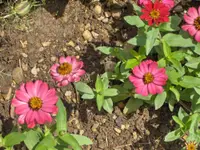
Plant in a tight line at 15–20 cm spacing along paths or bed edges to form a compact flowering border that suppresses weeds and reduces the need for frequent hand-weeding.

Deadhead By Shearing

Instead of removing individual spent flowers, shear the top 3–5 cm of the plants with clean scissors every few weeks to renew bloom flushes quickly and maintain a tidy, domed shape.

Targeted Mildew Prevention

In regions with humid summers, space plants to allow air flow and water only at soil level in the morning, then remove the worst-affected foliage promptly to limit powdery mildew spread while still caring for narrowleaf zinnia effectively.

Cut Flowers With Buds

When harvesting for small vase arrangements, cut stems when the lowest flower is fully open and the next bud is just starting to show color so the display lasts longer indoors.

Common Pests and Diseases

Powdery mildew

This disease causes white, powdery patches on leaves, stems, and sometimes flower buds, especially in warm days with cool, humid nights. Symptoms include distorted growth and a dull, grayish cast on foliage.

Solution

Remove and dispose of heavily infected leaves to reduce spore load, then improve air circulation by spacing plants and avoiding overhead watering late in the day. If needed, apply a sulfur or potassium bicarbonate fungicide labeled for ornamentals at the first sign of infection and continue on a 7–14 day schedule during favorable conditions.

Alternaria leaf spot

This disease produces small, dark brown to purple spots on leaves that often develop tan centers and may merge into larger blotches. Symptoms include premature yellowing and leaf drop from the lower part of the plant upward.

Solution

Promptly remove and discard affected leaves and any fallen plant debris, then water at soil level to keep foliage dry. In beds with a history of this problem, rotate planting areas, avoid crowding, and consider a copper-based fungicide or chlorothalonil product when wet, warm weather is forecast.

Bacterial leaf spot

This disease causes water-soaked, angular spots on leaves that may turn dark and sometimes appear greasy or translucent. Symptoms include rapid spread in warm, wet conditions and potential collapse of young foliage.

Solution

Avoid overhead irrigation and do not handle plants when foliage is wet to limit spread, and remove and discard badly affected plants. Use only clean tools and start with healthy transplants, and in severe cases rotate out of zinnias in that bed for at least 1–2 seasons to break the infection cycle.

Aphids

These insects cluster on tender stems, buds, and leaf undersides, sucking sap and causing curling, yellowing, and sticky honeydew that can attract sooty mold. This pest reproduces quickly in warm weather and can stunt young plants.

Solution

Dislodge colonies with a strong stream of water, focusing on shoot tips and undersides of leaves, and repeat every few days as needed. Encourage or introduce natural predators such as lady beetles, or apply insecticidal soap or a light horticultural oil, coating all plant surfaces in cool, shaded conditions.

Spider mites

These pests are tiny sap-feeding arachnids that cause fine stippling, a dull or bronzed appearance to leaves, and delicate webbing between stems and foliage in hot, dry weather. Symptoms include progressive leaf drying and possible leaf drop when populations are high.

Solution

Increase humidity around plants and regularly hose down foliage, especially the undersides of leaves, to physically remove mites. For persistent infestations, use insecticidal soap or a miticidal horticultural oil labeled for ornamentals, applied thoroughly and repeated every 5–7 days until new growth appears clean; this approach is a key part of Zinnia angustifolia plant care in hot, dry climates.

Interesting Facts

Native range focus

This species is naturally distributed in northern and central Mexico, where it grows in open, seasonally dry habitats rather than tropical forests or wetlands.

Distinctive narrow foliage

Unlike many other zinnias with broad leaves, this species has narrow, lance-shaped leaves that help reduce water loss in hot, exposed sites.

Value for pollinators

Its small, daisy-like flower heads provide accessible nectar and pollen, making it particularly attractive to bees and butterflies in dry, sunny gardens.

FAQs about narrowleaf zinnia

Poor flowering usually comes from insufficient light, excess nitrogen fertilizer, or old, exhausted plants late in the season. Ensure full sun, use a balanced or low‑nitrogen fertilizer, and deadhead spent flowers to direct energy into new buds.

Grow Healthy Plants with Botan Care

Keep your plants happy and healthy with plant identification, disease detection, and easy care guidance.

Botan plant care app — identify plants on mobile

Explore More Plants