Aibika Care (Abelmoschus manihot)

Also known as: sunset muskmallow
Aibika

About Aibika

Aibika (Abelmoschus manihot) is a fast-growing leafy shrub in the mallow family, related to okra. It is often grown for its nutritious, soft edible leaves.

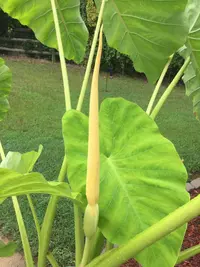
The plant typically has upright, branching stems with large, palm-shaped leaves and short-lived yellow flowers with dark centers. In suitable climates it can reach small shrub size within a season.

Aibika is native to parts of tropical Asia and the Pacific and is now cultivated in many warm, humid regions. It prefers warm temperatures, regular moisture, and fertile, well-drained soil.

These traits make it relatively easy to grow in frost-free areas and in protected spots elsewhere, as long as you understand how to care for Aibika and provide enough warmth and water.

Main Plant Requirements

Care Difficulty

Moderate Care

Light Preference

Full Sun

Water Requirements

Regular Water

Temperature Preference

Tropical / Frost Sensitive

Hardiness Zone

9–11

Soil Texture

Loamy, Sandy, Organic-rich

Soil pH

Acidic (5.5–6.5), Slightly acidic (6.5–7.0)

Soil Drainage

Moist but well-drained

Fertilization

Moderate (every 2–4 weeks)

Get Personalized Care Plan

Scan your plant to receive care tips personalized for your specific plant

Available on iOS and Android

How to Care for the Aibika

This plant performs best with strong light and some protection from harsh afternoon sun.

  • Provide 6–8 hours of sun daily, with morning sun and light afternoon shade ideal for Aibika in hot summer areas.
  • In mild climates, full sun is suitable if soil moisture is consistent; in very hot regions, use filtered light or 2–4 hours of afternoon shade to prevent leaf scorch.
  • If stems stretch, leaves pale, or flowering declines, the site is too shady; move to a brighter position before midsummer.

Abelmoschus manihot prefers evenly moist, well-drained soil rather than alternating extremes of wet and dry.

  • Water when the top 3–5 cm of soil feels dry, aiming for deep soaking that moistens the root zone without leaving standing water.
  • Use loose, well-draining soil or beds; persistent puddling, sour smell, or yellowing, limp leaves suggest overwatering and poor drainage.
  • In hot, windy weather, check soil moisture daily; wilting at midday that does not recover by evening indicates underwatering and the need for a thorough soak.

This species grows best in warm, frost-free conditions typical of a long summer season.

  • Aim for 70–85°F (21–29°C) for strong growth and flowering; growth slows noticeably below about 65°F (18°C).
  • Protect plants from temperatures below 50°F (10°C); light frost around 32°F (0°C) can damage foliage, and harder freezes usually kill top growth.
  • In heat above 95°F (35°C), provide extra water and some afternoon shade to limit stress, leaf scorch, and flower drop during peak summer.

This species grows best in moderate to slightly humid air but tolerates typical indoor levels.

  • Aim for 40–60% humidity; most heated or cooled homes fall within this range.
  • Dry air may cause leaf edges to brown or curl and tender tips to droop, especially on young Aibika plants.
  • Increase humidity locally with a pebble tray under the pot or by grouping plants, rather than misting leaves frequently.

Abelmoschus manihot prefers loose, fertile, well-drained soil that still holds steady moisture.

  • Use a loamy mix with 40–50% compost or well-rotted manure, plus some coarse sand or perlite for structure and drainage.
  • Target slightly acidic to neutral pH around 6.0–7.0 for best nutrient availability and root function.
  • Ensure water drains freely within a few seconds of watering; if it pools, lighten the mix with more perlite or coarse sand.
  • Avoid heavy clay, compacted ground, or constantly waterlogged spots, which promote root rot and stunted growth.

This species adapts well to container growing when given enough root space and stable support.

  • Choose a deep, heavy container that resists tipping as the tall stems and large leaves develop.
  • Select a pot slightly wider than the root ball to balance moisture retention with oxygen around the roots.
  • Place the container where wind exposure is limited, or brace it, since the large foliage can act like a sail and destabilize the pot.

Abelmoschus manihot responds well to moderate feeding during its warm growing season.

  • Use a balanced liquid fertilizer (such as 10-10-10) at 1/2 strength every 2–3 weeks in spring and summer.
  • Alternatively, apply a slow-release balanced granular fertilizer at planting and midseason.
  • In rich soil, light top-dressings of compost can replace frequent liquid feeding for Aibika.
  • Reduce or stop fertilization in late fall and winter when growth slows or stops.

Pruning Abelmoschus manihot helps maintain a bushy form and supports healthy flowering.

  • Best time for structural pruning is late winter or early spring before strong new growth.
  • Remove dead, diseased, or storm-damaged stems first using clean, sharp hand pruners.
  • Thin crowded or crossing shoots to improve air flow and light penetration through the canopy.
  • Pinch or lightly tip back young stems in early season to encourage branching and more blooms.

This species is usually grown as a garden shrub or annual, so care focuses on transplanting rather than frequent repotting.

  • Transplant in late spring after frost risk passes, when seedlings have several true leaves.
  • Look for roots circling the pot holes or noticeably slowed growth as signs container plants need a larger pot or ground planting.
  • Handle the root ball gently, loosen only tight outer roots, and plant at the same depth in well-drained soil.
  • Water thoroughly after transplanting and keep soil evenly moist for 1–2 weeks to limit transplant shock.

Abelmoschus manihot is commonly propagated from seeds and softwood cuttings.

  • Sow fresh seeds in late spring in warm conditions (70–80°F) using a light, well-draining seed mix.
  • Lightly cover seeds, keep the medium evenly moist, and provide bright light for steady germination.
  • For cuttings, take 8–10 cm soft, non-flowering shoots in early summer and remove lower leaves.
  • Insert cuttings into moist, sterile mix, optionally use rooting hormone, and maintain high humidity until rooted.

This warm-season plant is frost-sensitive and often grown as an annual in cooler climates.

  • In mild climates, apply a 5–8 cm mulch layer around the base in late fall to insulate roots.
  • Cut back frost-killed stems to ground level in late winter once severe cold has passed.
  • In colder regions, grow Abelmoschus manihot in containers and move indoors before temperatures drop near 40°F.
  • Indoors, overwinter plants in a bright, cool room with reduced watering to keep soil just barely moist.

Care Tips

Staggered Leaf Harvest

Remove only the outer, older leaves first and never more than 30–40% of foliage at one time to maintain steady regrowth and prevent stunting when growing Aibika for food use.

Temporary Wind Support

In windy sites, insert slender bamboo stakes and use soft ties in a loose figure‑8 around the main stems to prevent bending or snapping while still allowing for stem thickening.

Mulch For Tender Roots

Apply a 5–8 cm layer of straw or shredded bark around, but not touching, the stem base to stabilize soil moisture, reduce surface root stress, and limit weed competition.

Hot-Weather Flower Boost

During peak heat, deadhead spent blooms and small, misshapen pods every few days to direct the plant’s energy into continuous flower and pod production rather than seed ripening.

End-of-Season Seed Saving

Select a few of the healthiest plants, leave several pods to fully mature and dry on the stem, then harvest and store the seeds in a cool, dry, labeled container for next season’s sowing.

Common Pests and Diseases

Yellow tea mite

This pest feeds on the undersides of leaves, causing yellow speckling, bronzing, and leaf drop in hot, dry conditions. Symptoms include fine webbing and a dull, roughened leaf surface.

Solution

Regularly hose down foliage, focusing on leaf undersides, to reduce mite numbers and dust; increase humidity around plants if possible. For persistent infestations, apply a targeted miticide or horticultural oil labeled for mites on edible crops, repeating at 7–10 day intervals while monitoring new growth closely as part of Abelmoschus manihot plant care.

Aphids

These insects cluster on young shoots, buds, and flower stems, sucking sap and excreting sticky honeydew that can lead to sooty mold. Distorted new growth and curling leaves are typical symptoms.

Solution

Spray plants with a strong stream of water to dislodge colonies, then treat remaining aphids with insecticidal soap or neem oil, coating all plant surfaces. Encourage natural predators such as lady beetles and avoid high nitrogen fertilization that stimulates overly soft, aphid-prone growth.

Cotton aphid

This pest is a specific aphid that often colonizes okra relatives, forming dense colonies on tender growth and flower stalks. Symptoms include sticky honeydew deposits, yellowing leaves, and stunted growth in heavy infestations.

Solution

Inspect new growth frequently and pinch off or wash away heavily infested tips before colonies expand. Use insecticidal soap or a light horticultural oil, applied in the evening to minimize leaf burn, and repeat applications until new growth appears clean.

Okra mosaic virus

This disease causes mottled, mosaic-like patterns, leaf distortion, and general stunting, and is commonly spread by aphids on okra and related species. Symptoms include irregular yellow and green patches and reduced flowering or pod set.

Solution

Remove and discard infected plants promptly to prevent spread, and control aphid populations that transmit the virus. Avoid working with plants when foliage is wet, clean tools between plants, and source new plants or seed from reputable, virus-free suppliers.

Powdery mildew

This disease appears as white, powdery patches on upper leaf surfaces, leading to yellowing, reduced vigor, and premature leaf drop, especially in crowded or shaded plantings. Symptoms include dull, grayish leaves and reduced flowering if the infection is severe.

Solution

Improve air circulation by proper spacing and pruning of overcrowded stems, and avoid wetting foliage late in the day. At first signs, apply a suitable fungicide for edible crops, or use sulfur or potassium bicarbonate products according to label directions, and remove heavily infected leaves to slow spread.

Interesting Facts

Edible leaf vegetable

This species is widely cultivated in parts of Asia and the Pacific for its very tender, mucilaginous leaves, which are eaten cooked as a nutritious green rich in vitamins and minerals.

Hibiscus-like blooms

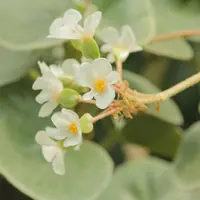
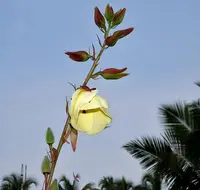
It produces large, pale yellow flowers with a dark maroon to purple center that closely resemble ornamental hibiscus, reflecting their close relationship within the mallow family Malvaceae.

Starchy storage roots

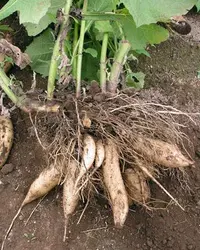
Some traditional varieties form swollen, starchy roots that are used locally as a food source, showing that the plant can provide both leafy greens and an underground carbohydrate reserve.

Botan icon

Did you know?

In the Pacific Islands, especially in Papua New Guinea and parts of Micronesia, this species is considered one of the most important traditional leafy vegetables and is often grown right beside staple crops to provide a reliable, high-quality source of green leaves year-round in humid tropical climates.

FAQs about Aibika

Leaves, young shoots, and flowers are edible and widely used as leafy vegetables in Pacific and Asian cuisines. They are mucilaginous when cooked, similar to okra, and provide fiber, vitamins, and minerals when harvested from uncontaminated plants.

Grow Healthy Plants with Botan Care

Keep your plants happy and healthy with plant identification, disease detection, and easy care guidance.

Botan plant care app — identify plants on mobile

Explore More Plants