Spineless Acaena Care (Acaena inermis)

Spineless Acaena

About Spineless Acaena

Spineless acaena (Acaena inermis) is a low, mat-forming perennial often used as a groundcover between stepping stones or in rock gardens. It forms fine-textured foliage carpets that stay close to the soil.

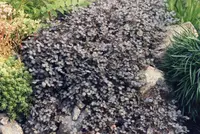
This species is native to New Zealand, where it naturally grows in open, sunny, well-drained habitats. The foliage can be green, bronze, or purplish depending on the cultivar and light exposure.

It is generally easy to grow if given good drainage and protection from heavy foot traffic. Understanding how to care for Spineless Acaena starts with providing sun to light shade, moderate moisture, and loose, gritty soil.

Main Plant Requirements

Care Difficulty

Easy Care

Light Preference

Full Sun

Water Requirements

Moderate Water

Temperature Preference

Cold Hardy

Hardiness Zone

6–9

Soil Texture

Sandy, Loamy, Rocky

Soil pH

Slightly acidic (6.5–7.0), Neutral (7.0)

Soil Drainage

Well-drained

Fertilization

Minimal (feed rarely)

Get Personalized Care Plan

Scan your plant to receive care tips personalized for your specific plant

Available on iOS and Android

How to Care for the Spineless Acaena

This low, mat-forming groundcover prefers cool, bright conditions with gentle sun exposure.

  • Provide 4–6 hours of sun daily, ideally morning or late-afternoon sun with light shade at midday, especially in warmer climates.
  • Tolerates light to partial shade, but dense shade causes Acaena inermis to thin out, lose color, and spread more slowly.
  • In hot summers, protect from harsh afternoon sun to prevent leaf scorch; in cooler regions, more direct sun improves foliage density and color through the growing season.

This plant prefers evenly moist, well-drained soil and does not tolerate waterlogged conditions.

  • Allow the top 2–3 cm of soil to dry before watering again; the surface should feel dry while deeper soil stays slightly moist.
  • Increase watering during hot, dry spells and reduce it in cool or rainy seasons, using actual soil moisture rather than a fixed schedule.
  • Watch for yellowing, limp foliage as a sign of overwatering and crisp, browning edges as a sign of underwatering, then adjust frequency.

This hardy groundcover tolerates a wide temperature range but grows best in cool to mild conditions.

  • Optimal growth occurs at 55–70°F (13–21°C), supporting dense foliage and steady spreading during the main growing season.
  • Mature plants often survive down to about 0°F (-18°C) with good drainage, though foliage may burn or die back after hard frosts.
  • Heat above 85°F (29°C) can stress plants; provide afternoon shade and consistent soil moisture during hot periods to limit leaf scorch and decline.

This species handles typical outdoor humidity well and rarely needs special adjustment.

  • Prefers 40–60% humidity but tolerates drier air once established, especially in cooler climates.
  • Low humidity stress shows as crisped leaf edges and slowed spread during hot, windy weather.
  • In very dry, exposed spots, increase local humidity by mulching around the mat and shielding Spineless Acaena from strong drying winds.

This plant prefers sharply drained, moderately fertile soil to form a dense, healthy mat.

  • Use a gritty loam or sandy mix with 30–50% mineral material such as coarse sand or fine gravel to prevent waterlogging.
  • Blend in a modest amount of compost or leaf mold for organic matter without making the substrate heavy or compacting.
  • Aim for slightly acidic to neutral pH, around 6.0–7.0, which suits most Acaena inermis plant care situations.
  • Avoid dense clay, peat-heavy mixes, or spots where water stands after rain; improve aeration by raising beds or planting on a slight slope.

This species is suitable for container growing, especially in shallow, wide pots or troughs.

  • Choose a low, broad container so the creeping stems can spread without hanging over thin rims that dry out quickly.
  • Use a heavier material such as ceramic or concrete outdoors to keep the shallow-rooted mat stable in strong wind.
  • Fill the pot with a fast-draining, gritty mix so rain or irrigation flushes through quickly and does not saturate the surface runners.

This low-growing perennial needs modest feeding, especially in poor soils, to maintain dense foliage.

  • Use a balanced slow-release fertilizer (for example 10-10-10) or a light top-dressing of compost in early spring.
  • Feed every 6–8 weeks during the main growing season, adjusting for soil fertility and lawn competition.
  • Apply at 1/2 label strength for container-grown Spineless Acaena to avoid salt buildup and leaf scorch.
  • Stop feeding 6–8 weeks before expected frost so new growth can harden off for winter.

Acaena inermis benefits from light, periodic pruning to keep the mat dense and tidy.

  • Best time is late winter or early spring before strong new growth starts.
  • Shear back winter-burned, dead, or leggy stems with clean hand shears to encourage fresh shoots.
  • Thin crowded patches by removing some older stems at the base to reduce humidity and disease risk.
  • After flowering, lightly trim spent flower heads if a neater, more uniform groundcover appearance is preferred.

This species is usually grown as a groundcover and is moved or divided only when it outgrows its space.

  • Transplant in early spring or early fall when temperatures are mild and soil stays evenly moist.
  • Look for thinning centers, bare patches, or crowded edges as signs clumps should be lifted and spread.
  • Lift sections with a trowel, keeping soil around roots intact to limit disturbance and transplant shock.
  • Replant divisions at the same depth, water thoroughly, then shade lightly for a few days while roots re-establish.

New Acaena inermis plants are most commonly produced by division or rooted stem sections taken from established mats.

  • Divide healthy clumps in early spring or early fall when soil is cool and moisture is reliable.
  • Slice the mat into small sections with roots attached, using a clean knife or spade.
  • Replant divisions into loose, well-drained soil, water in well, and maintain steady moisture until established.
  • For layering, pin down flexible stems onto moist soil and sever them once new roots have formed.

This groundcover is generally cold hardy in temperate climates and usually needs minimal winter care.

  • In colder regions, apply a 2–5 cm layer of loose mulch around, not over, crowns to buffer freeze–thaw cycles.
  • Leave any light snow cover undisturbed, as it acts as natural insulation for the root zone.
  • Move container-grown plants into a sheltered, unheated area where temperatures stay mostly above 25–30°F.

Care Tips

Edge Containment

Install shallow edging 5–8 cm deep around beds to keep this fast-spreading mat from invading adjacent lawn or paths while still allowing it to knit together densely within its space.

Summer Shear-Back

After flowering, use shears to lightly trim the foliage by 2–3 cm to remove spent flower stalks, maintain a tight carpet, and stimulate fresh, compact regrowth.

Weed-Suppressing Establishment

Space plants closely, about 20–30 cm apart, and mulch only between young plants (not on top of crowns) during the first season to reduce weed pressure as the mat fills in.

Traffic Management

Limit foot traffic to stepping stones or designated paths through the planting, as repeated direct treading on the crowns can create bare patches and invite weeds or moss.

Slopes And Edges

Use it on gentle slopes or over wall edges where its creeping habit can stabilize the soil, but secure loose soil first with pins or biodegradable mesh so roots can anchor firmly when growing Spineless Acaena.

Common Pests and Diseases

Red spider mites

This pest can appear in hot, dry weather on dense mats, causing fine speckling, dull foliage, and webbing between stems and leaves. Symptoms include slow decline of patches, especially on stressed or under-watered plants.

Solution

Increase humidity around the foliage with gentle hosing, then wash both sides of leaves with a firm spray of water 2–3 times per week, focusing on the undersides. If damage persists, use a horticultural soap or neem oil spray labeled for mites, and thin crowded areas of groundcover to improve airflow and reduce heat stress.

Mealybugs

These insects hide in stem bases and between crowded leaf rosettes, creating white cottony clusters and sticky honeydew on the foliage. Symptoms include stunted growth and yellowing or collapse of small patches, especially in sheltered, dry sites or containers.

Solution

Isolate affected plants if grown in pots and remove heavily infested stems by hand or pruning. Dab visible mealybugs with cotton swabs dipped in 70% isopropyl alcohol, then follow with repeated applications of insecticidal soap, ensuring solution reaches tight crown areas and between stems.

Leaf spot

This disease causes small dark or tan spots on the tiny leaves that may merge into larger blotches, giving patches a scorched or thinned appearance. Symptoms include more rapid decline in humid, shaded, or poorly ventilated positions.

Solution

Remove and discard affected foliage and any dead thatch from the mat surface to limit spread. Improve air circulation and avoid wetting foliage late in the day; in persistent cases, a labeled foliar fungicide for ornamental groundcovers can be applied according to directions, focusing on newly emerging growth.

Crown rot

This disease develops in waterlogged or compacted soils, leading to browning and collapse of the plant from the center outward while roots and crown become soft and discolored. Symptoms include sudden dieback of whole patches after prolonged saturation or poor drainage.

Solution

Lift and discard severely rotted plants and improve drainage by loosening or amending the soil with grit or coarse organic matter before replanting. Water only when the top few cm of soil begin to dry and avoid siting Acaena inermis in depressions or areas with standing water, as fungicide has limited effect once the crown is badly affected.

Interesting Facts

Mat-Forming Groundcover

This species naturally forms a very low, dense mat only a few centimeters tall, spreading outward through slender creeping stems that root as they go, which allows it to knit together gaps between stones or pavers without growing upward into a tall canopy.

Soft, Spineless Foliage

Unlike many other Acaena species that develop spiny burrs, this plant lacks the hooked, spiny flower-head structures, so its foliage carpet stays soft to the touch and does not produce the sharp seed burrs that cling to animal fur or clothing.

Dark Bronze Leaf Color

Many cultivated forms of this species show a naturally bronze to purplish leaf tone, especially in strong light, which comes from higher levels of protective pigments that help shield the delicate leaf tissues from intense sun and ultraviolet radiation.

FAQs about Spineless Acaena

This species forms a low, creeping mat and spreads steadily via surface stems, but is usually not aggressively invasive in gardens. It can, however, fill open spaces over time, so give it defined edges or barriers.

Grow Healthy Plants with Botan Care

Keep your plants happy and healthy with plant identification, disease detection, and easy care guidance.


Botan plant care app — identify plants on mobile

Explore More Plants