Root zone mulching
Apply a 3–5 cm layer of fine bark or leaf mold around the root zone, keeping it 5–8 cm away from the trunk, to stabilize soil moisture and protect the shallow feeder roots from heat and mechanical damage.

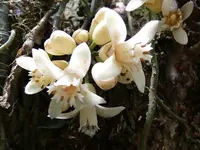
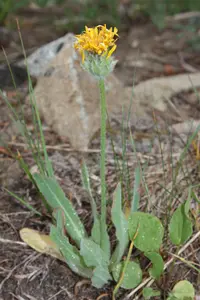
Yellow mahogany (Epicharis parasitica) is a woody tropical tree valued for its dense foliage and warm-toned, finely grained timber. In nature it typically forms a medium to large canopy tree with a straight trunk and well-structured crown.
This species is native to tropical regions, where it grows in warm, humid forests on well-drained soils. Its slow to moderate growth and preference for stable, warm conditions can make it moderately challenging outside its natural range.
Gardeners who care for Yellow Mahogany often focus on providing consistent warmth, protection from frost, and evenly moist but not waterlogged soil in bright, indirect to lightly filtered light.

Care Difficulty
Moderate Care

Light Preference
Partial Shade

Water Requirements
Moderate Water

Temperature Preference
Warm Climate

Hardiness Zone
Unknown

Soil Texture
Loamy

Soil pH
Slightly acidic (6.5–7.0)

Soil Drainage
Well-drained

Fertilization
Minimal (feed rarely)
Scan your plant to receive care tips personalized for your specific plant
Available on iOS and Android
This species thrives in bright, indirect light with limited direct sun exposure.
Watering should keep the root zone evenly moist but never waterlogged.
Stable, warm conditions support strong growth and reduce stress for this species.
This species prefers moderately humid air and reacts quickly to very dry indoor conditions.
This plant grows best in loose, well‑aerated, moisture‑retentive but free‑draining soil.
This species can adapt to container culture if the pot and setup manage moisture and root space carefully.
Epicharis parasitica is a slow-growing tree that benefits from modest feeding in nutrient-poor soils but often manages without fertilizer in rich ground.
Epicharis parasitica needs only light, purposeful pruning to maintain structure and remove problem wood.
This species is usually grown in the ground; focus on careful transplanting rather than frequent container repotting.
Propagation of Epicharis parasitica is possible but tends to be specialized and slower than many common ornamentals.
In mild to warm climates this tree usually needs minimal winter attention once established in the landscape.

Plant Health Check
Not sure what's wrong with your plant? Check your plant's health inside the app.
This species is a true root parasite that taps directly into host roots using specialized organs called haustoria, taking water and nutrients instead of relying on its own root system.
It is known to parasitize specific host plants rather than a wide range of species, showing a narrow host preference that likely evolved alongside its main hosts.
This tree grows at a moderate rate. Young plants may add 20–40 cm per year under warm, moist, frost-free conditions, then slow slightly with age. Restricted root space, poor soil fertility, and drought reduce extension growth significantly.
Keep your plants happy and healthy with plant identification, disease detection, and easy care guidance.