Low wind protection
Site plants where taller perennials or low fencing break strong winds, which reduces stem stress and helps the short flower spikes stay upright and intact in exposed gardens.

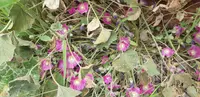
Alcea acaulis is a compact, low-growing perennial hollyhock known for its rosette of leaves and showy funnel-shaped flowers on short, sturdy stems. It stays close to the ground rather than forming tall spires like common hollyhocks, which makes it suitable for rock gardens, borders, and dry slopes.
This species is native to dry, often rocky habitats in parts of the Mediterranean region, so it tends to prefer full sun and well-drained soil. Once established, it usually tolerates periods of drought but resents heavy, waterlogged conditions, which is important when considering how to care for Alcea acaulis.

Care Difficulty
Moderate Care

Light Preference
Full Sun

Water Requirements
Moderate Water

Temperature Preference
Cold Hardy

Hardiness Zone
4–9

Soil Texture
Sandy, Loamy, Rocky

Soil pH
Slightly acidic (6.5–7.0), Slightly alkaline (7.0–7.5)

Soil Drainage
Well-drained

Fertilization
Minimal (feed rarely)
Scan your plant to receive care tips personalized for your specific plant
Available on iOS and Android
This low-growing species thrives in open, bright positions with strong sun exposure.
Watering should support deep roots while keeping the crown area from staying wet for long periods.
This hardy perennial tolerates a wide temperature range but performs best in moderate summer conditions.
This species tolerates typical outdoor humidity and rarely needs special humidity management in the garden.
Alcea acaulis prefers moderately fertile, well-drained soil that does not stay wet after rain or irrigation.
This species can be grown in containers if the pot is deep and drains quickly.
This low-nutrient-tolerant perennial benefits from light feeding in poor soils but often manages without it in rich ground.
Pruning is mainly used to keep Alcea acaulis tidy, support flowering, and limit disease.
This species is usually grown in garden beds, so transplanting young plants is more common than long-term container repotting.
Most home gardeners propagate this species from seed, which is reliable and maintains strong genetic diversity.
This hardy perennial usually needs minimal winter care in most temperate climates.

Plant Health Check
Not sure what's wrong with your plant? Check your plant's health inside the app.
This species forms a low, almost stemless rosette with flower stalks close to the ground, unlike the tall, spire‑forming hollyhocks more commonly grown in gardens.
In its native habitats of southeastern Europe and western Asia, it grows on dry, rocky, often calcareous slopes, showing strong adaptation to well-drained, relatively poor soils.
The leaves form a basal rosette and are thick, somewhat rough, and lobed, which helps reduce water loss and tolerate high sun exposure in open sites.
Lack of flowering often comes from insufficient sun, young age, or nutrient imbalance. Ensure full sun, avoid high-nitrogen fertilizers, and allow 1–2 seasons for the rosette to mature before expecting strong bloom performance.
Keep your plants happy and healthy with plant identification, disease detection, and easy care guidance.