Bellevalia speciosa Care

Bellevalia speciosa

About Bellevalia speciosa

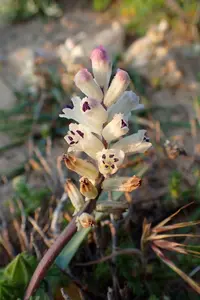
Bellevalia speciosa is a small spring-flowering bulb from the eastern Mediterranean, related to grape hyacinths. It forms compact clumps of narrow, grass-like leaves and sturdy flower spikes. The blooms are dense clusters of blue to violet urn-shaped flowers, giving a strong vertical accent in rock gardens, borders, or pots. In suitable climates it often naturalizes slowly, returning each year from the underground bulbs. This species prefers sunny, well-drained sites with moderate moisture during active growth, then drier conditions in summer dormancy. Once established, it is considered relatively easy to grow, so learning how to care for Bellevalia speciosa mainly involves providing the right soil drainage and avoiding waterlogged conditions.

Main Plant Requirements

Care Difficulty

Moderate Care

Light Preference

Full Sun

Water Requirements

Moderate Water

Temperature Preference

Cool Climate

Hardiness Zone

5–8

Soil Texture

Sandy, Loamy, Organic-rich

Soil pH

Acidic (5.5–6.5), Slightly acidic (6.5–7.0)

Soil Drainage

Well-drained

Fertilization

Minimal (feed rarely)

Get Personalized Care Plan

Scan your plant to receive care tips personalized for your specific plant

Available on iOS and Android

How to Care for the Bellevalia speciosa

This spring-flowering bulb thrives in bright conditions but benefits from protection from harsh afternoon sun.

  • Provide 4–6 hours of direct morning sun with light afternoon shade; an east-facing or lightly shaded south-facing spot suits Bellevalia speciosa well.
  • Tolerates partial shade, but very dense shade reduces flower production and causes stretched, floppy leaves over time.
  • In hot summers, use dappled or filtered light during midday to prevent leaf scorch, especially in zones with strong sun from late spring onward.

This bulb prefers evenly moist but never waterlogged soil during active growth, then much drier conditions in summer dormancy.

  • In spring growth and flowering, water when the top 3–5 cm of soil feel dry, allowing moisture to reach the root zone without saturating it.
  • Ensure sharply drained soil (gritty loam or sandy mix) so excess water runs off; persistent puddling or a sour smell signals overwatering and rot risk.
  • After foliage yellows and dies back, reduce watering sharply, keeping soil just barely dry to the touch until growth resumes in the next cool season.

This species prefers cool to mild conditions for active growth and needs a distinct cool period for strong flowering.

  • Optimal growth occurs around 50–65°F (10–18°C), typical of early to mid spring in many temperate gardens.
  • Bulbs tolerate short dips to about 20°F (-6°C) in well-drained soil; prolonged harder frost may require mulch for insulation.
  • Once foliage matures, it tolerates brief heat up to 80–85°F (27–29°C), but sustained higher temperatures push it into dormancy earlier in the season.

This bulb prefers moderately dry air and usually does not need special humidity management.

  • Aim for 30–50% humidity; average indoor levels suit Bellevalia speciosa during active growth.
  • Plants tolerate short spells of drier air, but prolonged very dry heat can speed leaf dieback.
  • If leaf tips brown while soil moisture is correct, place pots together on a shallow pebble tray to slightly raise local humidity.

This species needs a loose, fast-draining mineral-based substrate to protect bulbs from rot.

  • Use sandy or gritty loam with 30–50% sharp sand or grit to keep the profile open and free-draining.
  • Aim for slightly acidic to neutral pH around 6.0–7.0, avoiding strongly acidic or alkaline mixes that limit nutrient availability.
  • Mix in a small amount of fine compost for nutrients but keep overall organic content low to prevent excessive moisture retention around bulbs.
  • Improve aeration by adding perlite or pumice and never use heavy clay or peat-heavy mixes that stay wet for more than 1–2 days.

This bulb is well suited to container growing outdoors or in cool, bright spaces.

  • Choose a pot at least 15–20 cm deep so the bulbs sit with 2–3 bulb-heights of mix beneath them for root anchoring.
  • Select terracotta or other porous materials if overwatering is a risk, since they allow faster evaporation and reduce rot risk.
  • Use a wide, stable container shape so the tall spring flower spikes are not easily tipped by wind or accidental knocks.

This bulb prefers modest feeding and is sensitive to excess salts, so fertilizer use should stay light and targeted.

  • Use a balanced, diluted liquid fertilizer (such as 10-10-10 at 1/2 strength) every 4–6 weeks during active spring growth for Bellevalia speciosa in pots.
  • Skip synthetic fertilizer in rich garden soil; instead, mix a small amount of fine compost into the top layer in fall or early spring.
  • Avoid feeding during summer dormancy or when foliage has died back, as inactive bulbs cannot use added nutrients.
  • Flush containers with plain water occasionally in the growing season to reduce salt buildup around the bulbs.

Pruning needs are minimal and focus on hygiene rather than shaping.

  • In late spring, remove spent flower stalks at the base with clean scissors or pruners to prevent unwanted seeding and tidy appearance.
  • Allow leaves to yellow and dry naturally before trimming, so bulbs can store energy for next season’s flowering.
  • Cut away any damaged, diseased, or flattened foliage during the season, sterilizing tools with alcohol between plants.
  • Avoid heavy cutting into healthy green leaves, as this can reduce flowering and weaken Bellevalia speciosa bulbs over time.

This bulb is usually grown in the ground but can be lifted and divided or moved when clumps become crowded or growth declines.

  • Check for tight clumps, numerous small bulbs, or reduced flowering as signs that transplanting or dividing is needed, typically every 3–4 years.
  • Plan lifting and transplanting in late summer to early fall, after foliage has fully died back and bulbs are dormant.
  • Gently dig around the clump, lift bulbs with surrounding soil, separate offsets by hand, and replant at the same depth in well-drained ground or pots.
  • Reduce root stress by keeping bulbs shaded and out of wind while out of soil and watering lightly after replanting to settle the soil.

Propagation is commonly done from offsets, with seeds as a slower, secondary method.

  • Lift dormant clumps in late summer and gently separate small offset bulbs from the parent for straightforward Bellevalia speciosa plant care.
  • Replant offsets immediately at the same depth in loose, well-drained soil and water once to settle, then keep only slightly moist.
  • For seed, collect dry seed capsules, sow fresh in pots outdoors in fall, and allow natural winter chilling for germination in spring.
  • Grow seedlings in their pot for 2–3 years before planting out, keeping them evenly moist but never waterlogged to protect immature bulbs.

This bulb is fairly cold hardy in many temperate regions and usually needs only light winter attention in the ground.

  • In climates with wet winters, ensure excellent drainage so bulbs do not sit in saturated soil that can cause rot.
  • Apply a 3–5 cm layer of loose mulch over the planting area after the soil cools, keeping mulch slightly away from crowns.
  • For containers, move pots to a cold, sheltered spot such as an unheated garage or porch where temperatures stay mostly above 20°F.
  • Avoid heavy watering in winter; keep soil barely moist so dormant bulbs of Bellevalia speciosa do not desiccate or rot.

Care Tips

Post-bloom handling

After flowering, deadhead the spent spikes but leave all foliage intact until it yellows naturally, so the bulb can recharge and set stronger buds for the next season.

Bulb lifting cycle

In regions with wet or very hot summers, lift the bulbs once foliage has fully died back, dry them for 7–10 days in a shaded, airy place, then store in breathable paper bags at 40–50°F until replanting in fall.

Container refresh

For pots, unpot and divide congested clumps every 2–3 years, replanting only the firm, undamaged bulbs at the correct depth and discarding any soft or moldy ones to maintain flowering quality.

Targeted pest checks

Inspect foliage bases and the soil surface weekly in spring for slugs, snails, and bulb fly larvae, and remove them promptly or use physical barriers such as copper tape around containers.

Label and mapping

Mark bulb positions with durable labels or a simple planting map right after fall planting, which makes caring for Bellevalia speciosa easier when the plant is dormant and invisible above ground.

Common Pests and Diseases

Basal plate rot

This disease attacks the bulb base, leading to soft, brown, water-soaked tissue and collapse of the growing shoot, especially in poorly drained soil or when bulbs are damaged in storage.

Solution

Discard all visibly affected bulbs, and any that feel soft or emit a foul smell. For caring for Bellevalia speciosa, use only firm, healthy bulbs, plant in sharply drained soil or a gritty mix, avoid overwatering, and store lifted bulbs dry and cool with good air circulation.

Botrytis leaf blight

This disease causes pale spots and streaks on leaves that turn brown and may develop gray, fuzzy mold in cool, damp weather, often after prolonged rain or overhead watering.

Solution

Remove and dispose of affected leaves and any plant debris around the bulbs. Improve air movement, space clumps so foliage can dry quickly, water at soil level in the morning, and avoid wetting leaves during cool periods.

Bulb nematodes

These microscopic worms invade the bulb scales, causing distorted growth, swollen or cracked bulbs, and poor emergence of shoots in spring.

Solution

Destroy badly affected bulbs rather than replanting them, and avoid reusing contaminated soil. Source bulbs from reputable suppliers, keep bulbs dry in storage, and if infestation is suspected in pots, discard the potting mix and clean containers thoroughly before replanting.

Narcissus bulb fly

This pest lays eggs at the neck of the bulb; larvae tunnel inside and hollow out the bulb, resulting in weak, stunted leaves or complete failure to sprout.

Solution

Lift and inspect bulbs that show poor or uneven emergence, discarding any that are hollow or tunneled. In regions with recurring problems, cover newly planted areas with fine mesh during the main egg-laying period, keep bulbs well covered with soil, and avoid leaving damaged or exposed bulbs that attract egg-laying females.

Slugs and snails

These pests chew irregular holes in the emerging foliage and flower spikes, sometimes destroying young shoots at ground level in early spring.

Solution

Hand-pick slugs and snails in the evening, and use physical barriers such as copper tape or rough grit around pots or planting areas. Reduce hiding places by clearing debris, and in high-pressure areas consider iron phosphate slug baits used according to label directions around but not directly on the bulbs.

Interesting Facts

Eastern Mediterranean native

This bulbous species is naturally distributed from western Turkey through parts of the eastern Mediterranean, where it grows in open, rocky slopes and light scrub that dry out completely in summer.

Early spring bloomer

In its native range it flowers in early spring, often emerging shortly after winter cold subsides and before surrounding vegetation fully leafs out, which helps it attract pollinators with less competition.

Compact, vivid inflorescences

The plant produces short, dense flower spikes with deep violet to purple-blue bell-shaped flowers that are subtly two-toned, a feature that makes it distinct from many other closely related grape hyacinth–like species.

FAQs about Bellevalia speciosa

This bulb usually flowers in mid to late spring, depending on climate. The dense, bottlebrush-like spikes often last 2–4 weeks. Cooler temperatures and consistent moisture extend bloom duration, while heat or drought shorten it.

Grow Healthy Plants with Botan Care

Keep your plants happy and healthy with plant identification, disease detection, and easy care guidance.

Botan plant care app — identify plants on mobile

Explore More Plants