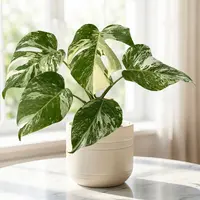
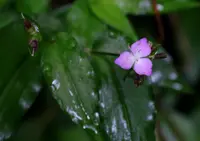
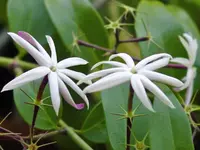
American morning glory Care (Ipomoea orizabensis)

American morning glory

About American morning glory

American morning glory (Ipomoea orizabensis) is a fast-growing, twining vine known for its funnel-shaped flowers that open in the morning and fade by afternoon. It typically climbs fences, trellises, or nearby plants, creating a dense green screen dotted with colorful blooms.

This species is native to Mexico and Central America but is sometimes grown as an ornamental annual in warmer regions. It grows quickly from seed and can self-sow, which makes it easy to establish but occasionally a bit invasive in mild climates.

Light, well-drained soil and regular moisture support healthy growth, and full sun encourages the best flowering. Understanding these traits makes it simpler to care for American morning glory in a garden setting.

Main Plant Requirements

Care Difficulty

Moderate Care

Light Preference

Full Sun

Water Requirements

Moderate Water

Temperature Preference

Tropical / Frost Sensitive

Hardiness Zone

9–11

Soil Texture

Sandy, Loamy, Organic-rich

Soil pH

Acidic (5.5–6.5), Slightly acidic (6.5–7.0)

Soil Drainage

Well-drained

Fertilization

Light (every 4–6 weeks)

Get Personalized Care Plan

Scan your plant to receive care tips personalized for your specific plant

Available on iOS and Android

How to Care for the American morning glory

This vigorous vine needs abundant direct light to flower heavily and stay compact.

  • Provide 6–8 hours of direct sun daily; morning sun with light afternoon shade suits American morning glory in hot summers.
  • In very hot regions, protect from harsh mid-afternoon sun with filtered light to reduce leaf scorch and faded blooms.
  • Plants tolerate light partial shade (3–4 hours sun), but expect fewer flowers and more stretching, especially in late summer and early fall.

This fast-growing climber prefers evenly moist but not saturated soil during active growth.

  • Water when the top 3–5 cm of soil feels dry, soaking the root zone deeply, then let excess drain away.
  • Reduce watering slightly in cooler weather or when flowering slows; sandy or fast-draining soils may need more frequent checks.
  • Watch for yellowing, limp leaves and a sour soil smell as signs of overwatering, and crisp, drooping leaves plus very dry soil as signs of underwatering in Ipomoea orizabensis.

This warm-season vine grows best in stable, mild to hot conditions without frost exposure.

  • Aim for 70–85°F (21–29°C) for strongest growth and flowering; growth slows noticeably below about 60°F (16°C).
  • Protect from cold; plants are damaged near 40°F (4°C) and typically killed by frost at 32°F (0°C) or below, so plant after the last frost date.
  • Mature vines tolerate short spikes to 95–100°F (35–38°C) if roots are mulched and soil moisture is maintained to prevent heat stress.

This vigorous vine handles a wide humidity range but grows best with moderate moisture in the air.

  • Aim for 40–60% humidity, which suits both outdoor beds and most home environments.
  • Tolerates short dry spells, but persistent air below 30% can cause leaf edge browning and crispy tips.
  • Increase humidity by grouping plants, using pebble trays outdoors on hot patios, or lightly misting foliage during very dry heat when caring for American morning glory.

This species prefers light, well-aerated soil that dries slightly between waterings.

  • Use a loose, loamy mix with 40–60% compost or peat-free organic matter plus perlite or coarse sand for structure.
  • Ensure rapid drainage so water runs through in seconds and the top 2–3 cm dry out within a few days.
  • Keep soil slightly acidic to neutral, around pH 6.0–7.0, for stable nutrient availability in Ipomoea orizabensis.
  • Avoid heavy clay, waterlogged spots, or mixes dominated by fine peat that compact and suffocate roots.

This twining climber is well suited to container growing when the pot supports both its roots and vine structure.

  • Choose a deep container at least 30 cm tall so the taproot and fast-growing side roots can anchor securely.
  • Use a heavy or wide-based pot to prevent tipping once the vine climbs and wind loads increase on the support.
  • Position a trellis or obelisk inside the pot so stems can be trained upward without pulling on the container rim.

This fast-growing vine responds well to moderate feeding during the warm growing season.

  • Use a balanced liquid fertilizer (such as 10-10-10) diluted to 1/2 strength every 2–3 weeks while vines are actively growing.
  • Alternatively, mix a small amount of slow-release balanced granules into the topsoil at planting for steady nutrients.
  • Avoid heavy feeding or high-nitrogen products, which produce excess foliage and fewer flowers on American morning glory vines.
  • Stop fertilizing in late summer to early fall and do not feed during winter dormancy.

Pruning helps keep Ipomoea orizabensis manageable and flowering well.

  • Best time is late spring to midsummer, once plants are established and growing strongly.
  • Use clean, sharp pruners to remove dead, damaged, or pest-infested stems as soon as they appear.
  • Thin out crowded, tangled, or overly long vines to improve air flow and light, guiding stems along supports.
  • Lightly shortening vigorous shoots encourages branching, denser coverage, and more flower-bearing growth points.

This vigorous climber is usually transplanted outdoors rather than kept long term in containers.

  • Transplant seedlings after frost danger has passed, once they have several true leaves and roots hold the plug together.
  • In containers, repot only if roots circle the pot, drainage slows, or growth stalls despite good conditions.
  • Move up just 1 pot size, handling the root ball gently and keeping as much soil around the roots as possible.
  • Water thoroughly after transplanting, shade from intense sun for 2–3 days, and avoid heavy feeding until new growth appears.

Ipomoea orizabensis is most commonly raised from seed, with cuttings as a secondary method.

  • Sow seeds in spring after frost, in well-drained seed mix at 65–75°F, lightly covered and kept evenly moist.
  • Scarify hard seed coats by gently nicking or soaking 12–24 hours to improve germination rates.
  • Provide bright light and good air flow for seedlings, potting up once roots fill starter cells.
  • For cuttings, root soft to semi-ripe stems in warm, moist, sterile mix under high humidity but with good ventilation.

This tender vine is frost-sensitive and usually grown as a warm-season annual in most climates.

  • In regions with frost, allow top growth to die back naturally and remove spent vines after the first freezes.
  • In mild climates, mulch the root zone with 5–8 cm of organic material to buffer short cold spells.
  • Container plants in cooler areas can be moved indoors to a bright, cool, frost-free space until spring.

Care Tips

Prompt twining support

Install a sturdy trellis, wire fence, or strings before vines reach 15–20 cm so young stems can immediately twine and create an even, stable vertical cover instead of tangling on nearby plants.

Pinch for branching

When vines are 20–30 cm long, pinch out just the soft growing tip with clean fingers or pruners to encourage side shoots and produce a denser flowering screen over the season.

Deep mulch collar

Apply a 5–8 cm layer of organic mulch around but not touching the stem base to keep the root zone cooler, reduce evaporation in hot spells, and limit weed competition that can slow growth.

Seasonal succession sowing

In warm climates, stagger 2–3 sowings at 2–3 week intervals in late spring and early summer to maintain vigorous flowering vines and avoid a single, exhausted planting when growing American morning glory.

End-of-season sanitation

At season’s end, remove and dispose of all old vines, pods, and nearby plant debris to reduce overwintering pests and diseases, especially if the planting showed signs of mildew or insect damage.

Common Pests and Diseases

Leafminers

This pest creates pale, winding tunnels inside leaves that can cause distorted or prematurely yellowing foliage on vines growing in open ground or containers.

Solution

Remove and dispose of mined leaves as soon as damage is seen, then encourage strong regrowth by maintaining even moisture and balanced fertilization. If tunneling expands, use a spinosad-based spray directed at the foliage in the evening and limit use of broad-spectrum insecticides that kill beneficial parasitic wasps which naturally control leafminers.

Spider mites

These insects thrive on sun-exposed vines during hot, dry periods and cause stippled, dull leaves with fine webbing, especially on plants grown against walls or fences.

Solution

Rinse foliage thoroughly with a firm spray of water every few days, focusing on the undersides of leaves, and remove heavily damaged growth to reduce populations. If needed, apply an insecticidal soap or horticultural oil labeled for mites, making sure coverage reaches the leaf undersides and repeating according to label directions while also raising humidity slightly and reducing drought stress.

Fusarium wilt

This disease causes one-sided wilting, yellowing, and stunted growth, often starting on a single stem or section of the vine before spreading, especially in warm soil and reused beds.

Solution

Uproot and discard affected plants including roots, then avoid replanting morning glories in the same soil for several years and do not compost infected material. Improve drainage and soil structure with organic matter, disinfect cutting tools, and select fresh, disease-free seed when planning how to take care of American morning glory in areas with a known history of wilt problems.

Rust

This disease forms orange to brown powdery pustules on the underside of leaves, leading to yellow speckling above and gradual leaf drop during warm, humid weather.

Solution

Promptly remove and discard infected leaves and any fallen debris around the base of the plant to reduce spore levels, and increase spacing or trim back dense growth to improve airflow. In persistent cases, protect new foliage with a sulfur or chlorothalonil-based fungicide labeled for ornamental vines, applying during dry weather and following label directions carefully.

Whiteflies

These insects cluster on the undersides of leaves and rise in small white clouds when disturbed, leaving sticky honeydew that can lead to sooty mold on foliage and nearby surfaces.

Solution

Use yellow sticky traps to monitor and reduce adult populations, and regularly hose down the vines to dislodge nymphs on the leaf undersides. For heavier infestations, apply insecticidal soap or a light horticultural oil in the early morning or late evening, repeating as needed and avoiding applications during high heat to prevent leaf burn.

Interesting Facts

Mexican montane native

This species is native to the montane regions of eastern and southern Mexico, where it grows along forest edges, rocky slopes, and disturbed roadsides rather than lowland tropical habitats.

Hairy twining vines

Its stems, leaves, and even flower buds are distinctly hairy (pubescent), which helps separate it in the field from smoother-stemmed morning glory relatives and may reduce herbivory and water loss.

Dark-throated flowers

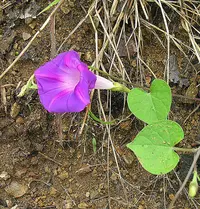
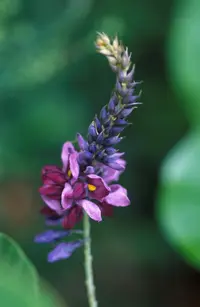
The plant produces funnel-shaped magenta to reddish-purple flowers with a noticeably darker throat, a color pattern that helps guide pollinators toward nectar and pollen.

Botan icon

Did you know?

Genetic and morphological studies indicate that this species belongs to a small, specialized group within Ipomoea associated with Mexican highland habitats, making it of particular interest to botanists studying diversification of morning glories in mountainous environments.

FAQs about American morning glory

Limited flowering usually comes from insufficient light, too much nitrogen fertilizer, or plants that are still immature. Ensure strong sun exposure, avoid high‑nitrogen feeds, and do not overwater. Seed-grown vines often need several weeks to begin flowering.

Grow Healthy Plants with Botan Care

Keep your plants happy and healthy with plant identification, disease detection, and easy care guidance.

Botan plant care app — identify plants on mobile

Explore More Plants