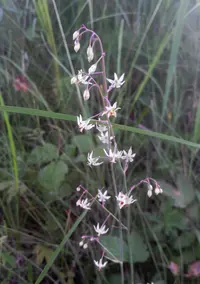
Bellevalia Care (Bellevalia hyacinthoides)

Bellevalia

About Bellevalia

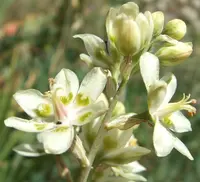
Bellevalia hyacinthoides is a small spring-flowering bulb from the eastern Mediterranean, related to grape hyacinths. It forms compact clumps of narrow, grass-like leaves and short spikes of tightly packed, bell-shaped flowers in soft blue to violet tones.

In gardens it behaves as a hardy, low-growing perennial that returns each year from its bulbs, often naturalizing slowly where conditions suit it. It prefers sunny, well-drained sites and relatively dry summer rest, which makes it suitable for rock gardens, gravel beds, and bulb borders.

For those who want to care for Bellevalia, its main requirements are bright light, drainage, and protection from heavy, waterlogged soils during dormancy.

Main Plant Requirements

Care Difficulty

Easy Care

Light Preference

Full Sun

Water Requirements

Moderate Water

Temperature Preference

Cold Hardy

Hardiness Zone

5–9

Soil Texture

Sandy, Loamy, Organic-rich

Soil pH

Acidic (5.5–6.5), Slightly acidic (6.5–7.0)

Soil Drainage

Well-drained

Fertilization

Minimal (feed rarely)

Get Personalized Care Plan

Scan your plant to receive care tips personalized for your specific plant

Available on iOS and Android

How to Care for the Bellevalia

This bulb prefers bright conditions with gentle sun exposure, especially in cool seasons.

  • Provide 4–6 hours of morning sun or light dappled shade; avoid harsh, direct afternoon sun in warmer regions to prevent leaf scorch.
  • Plant in a spot with open sky or high shade where nearby shrubs or trees filter midday intensity while still allowing strong ambient light.
  • In spring, ensure Bellevalia receives increasing light as days lengthen, but in hot summers offer partial shade to reduce stress and prolong flowering.

Bellevalia hyacinthoides prefers evenly moist but not saturated soil during its active growth period.

  • In spring growth and flowering, water when the top 3–5 cm of soil feels dry, aiming for moist soil that never becomes muddy or waterlogged.
  • Use well-drained soil or a raised bed so excess water runs off easily; persistent puddling or a sour smell indicates poor drainage and risk of bulb rot.
  • After foliage begins to yellow and die back, reduce watering sharply, keeping the soil almost dry through dormancy while preventing complete, prolonged desiccation.

This bulb is adapted to cool winters and mild springs, with good tolerance of seasonal outdoor conditions.

  • Active growth is strongest at 50–65°F (10–18°C), with acceptable performance up to about 70°F (21°C) during the flowering period.
  • Dormant bulbs tolerate winter cold down to about 10–15°F (-12 to -9°C) if soil is well drained; mulching helps buffer sudden freezes.
  • Prolonged heat above 85°F (29°C) can shorten flowering; provide light shade and consistent soil moisture during hot spells to limit stress.

This bulb tolerates typical indoor humidity but prefers slightly drier air than many tropical houseplants.

  • Aim for 30–50% humidity, similar to most heated homes, to reduce rot risk around the bulb.
  • Dry air is usually tolerated; humidity stress shows as soft, waterlogged tissue rather than crisp leaf tips.
  • Improve air movement rather than adding moisture: use a small fan or ensure spacing so foliage dries quickly after watering.

Bellevalia hyacinthoides prefers light, sharply drained soil that dries moderately between waterings.

  • Use a sandy or gritty loam with 30–50% mineral material such as coarse sand, fine gravel, or grit to prevent waterlogging.
  • In pots, mix roughly 2 parts all‑purpose potting mix with 1 part coarse sand or perlite for better aeration and drainage.
  • Keep pH slightly acidic to neutral, about 6.0–7.0, as strongly acidic or alkaline conditions can restrict nutrient uptake.
  • Avoid heavy clay, compacted beds, or mixes high in peat that stay wet, which promote bulb and root rot.

This species is well suited to container growing for seasonal display and bulb control.

  • Choose a pot at least 15–20 cm deep so the bulbs can sit with 2–3 times their height of cover above them.
  • Select a heavier terracotta or ceramic container outdoors so tall flower spikes do not tip the pot in wind.
  • Raise the pot on feet or bricks so drainage holes stay clear and excess water escapes quickly after rain or watering.

Feeding supports steady growth and flowering in Bellevalia hyacinthoides grown in pots or lean soils.

  • Use a balanced, water‑soluble fertilizer (for example 10‑10‑10) at 1/2 strength on moist soil to avoid root burn.
  • Apply every 4–6 weeks during active growth in spring until foliage begins to yellow.
  • In rich garden beds, switch to a light top‑dressing of compost in early spring instead of frequent liquid feeds.
  • Stop feeding once leaves die back in summer dormancy and do not resume until new shoots appear.

Pruning needs are minimal and focus on tidiness and bulb health for Bellevalia hyacinthoides.

  • After flowering, deadhead spent flower stalks at the base to reduce seed set and conserve bulb energy.
  • Allow green foliage to yellow and dry naturally, then remove it cleanly with scissors or hand pruners.
  • Cut away any damaged, diseased, or mushy tissue as soon as noticed to limit rot spread.
  • Avoid cutting healthy green leaves, since they are essential for replenishing the bulb for the next season.

Bellevalia hyacinthoides is usually grown in the ground; container-grown plants or crowded clumps benefit from occasional transplanting.

  • Plan transplanting or repotting in late summer to early fall, after foliage has fully died back.
  • Look for tight clumps, reduced flowering, or roots circling in pots as signs the bulbs need more space.
  • Lift bulbs gently with a fork, keep roots shaded and slightly moist, and replant promptly at the same depth.
  • Refresh with well‑drained soil, space bulbs 5–8 cm apart, and water once to settle without soaking the bulbs.

Bellevalia hyacinthoides is commonly propagated by bulb division and sometimes from seed.

  • Divide offset bulbs in late summer or early fall when plants are dormant and foliage is absent.
  • Lift clumps carefully, separate firm, healthy bulbs, discarding any soft or moldy ones.
  • Replant offsets immediately in well‑drained soil, at 2–3 times their own height, and water lightly once.
  • For seeds, sow fresh in trays outdoors, keep evenly moist, and expect flowering only after several years.

Bellevalia hyacinthoides bulbs are fairly cold hardy and need limited winter care in most temperate gardens.

  • In USDA zones around 5–8, bulbs usually overwinter in the ground without special protection.
  • Apply a light, dry mulch layer (leaves or straw) after the ground cools to buffer freeze‑thaw cycles.
  • For containers, move pots to an unheated but frost‑free or sheltered spot to prevent repeated deep freezing.

Care Tips

Bulb aftercare

Once foliage has fully yellowed, lift clumps, gently clean soil from bulbs, discard any soft or damaged ones, and replant only firm, healthy bulbs to keep the stand vigorous over years of growing Bellevalia.

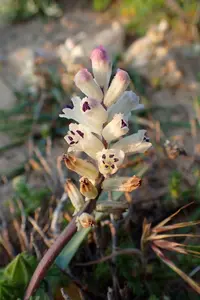
Mark dormant spots

After foliage dies back, place small, discreet markers where bulbs are planted so later digging, edging, or replanting does not accidentally damage the dormant bulbs.

Controlled naturalizing

If the planting starts to overcrowd, thin out and replant offsets at wider spacing every 3–4 years so flowers remain well sized and do not decline from competition.

Container rotation

For pot-grown plants, rotate containers 1–2 times per week during active growth so flower spikes develop evenly and do not lean strongly toward the main light source.

Pre-bloom protection

In areas with late frosts or heavy spring rain, use a low cloche, mesh tunnel, or temporary rain cover during cold, wet spells to prevent flower stalk distortion and botrytis (grey mold) on buds.

Common Pests and Diseases

Bulb nematodes

This pest attacks the bulbs, causing soft, spongy tissue and stunted or distorted leaves that yellow early. Symptoms include poor sprouting, weak flowering, and bulbs that feel lighter than normal when lifted.

Solution

Discard any suspect bulbs and do not plant Bellevalia in the same soil for several years. Start with certified clean bulbs, avoid mechanical damage during handling, and solarize or replace infested soil; in valuable collections, hot-water treatment of dormant bulbs (43–44°C for 2–3 hours) under expert guidance can reduce nematode levels.

Basal plate rot

This disease causes decay at the base of the bulb where roots emerge, often starting as brown, water-soaked tissue that becomes dry and crumbly. Symptoms include sudden leaf yellowing, plant collapse, and bulbs that break apart when handled.

Solution

Uproot and destroy all affected bulbs to prevent spread, and do not compost them. Improve drainage, avoid overwatering during dormancy, dust healthy bulbs with a dry fungicidal bulb treatment before storage, and rotate Bellevalia plantings to fresh, well-drained soil each season.

Botrytis leaf blight

This disease produces pale, water-soaked spots on leaves and flower stems that turn brown and may show gray, fuzzy fungal growth in humid, cool weather. Symptoms include premature leaf collapse and poor flowering in dense plantings.

Solution

Remove and destroy affected leaves and spent flower stalks promptly, and clear away plant debris after flowering. Space clumps to improve air movement, water at soil level in the morning, and in wet springs consider a preventative ornamental bulb fungicide labeled for Botrytis, applied according to Bellevalia care instructions for similar small geophytes.

Bulb mites

These insects feed inside or around stored or planted bulbs, creating tiny feeding cavities that encourage secondary rots. Symptoms include poor emergence, weak shoots, and bulbs that appear dusty or crumbly around damaged scales.

Solution

Inspect bulbs before planting; discard any that are soft, hollow, or show clusters of tiny, pale mites. Store bulbs cool and dry with good air circulation, avoid mixing questionable stock with healthy bulbs, and, for collections, use hot-water treatment or a labeled miticide dip on dormant bulbs under professional guidance.

Interesting Facts

Eastern Mediterranean native

This bulbous species is naturally distributed in parts of the eastern Mediterranean, particularly in Israel and nearby regions, where it grows in open, often rocky habitats with winter rain and dry summers.

Early spring bloomer

Flowering typically occurs in early spring, when the plant sends up a short scape with dense clusters of small, urn-shaped blue to violet flowers that resemble miniature hyacinths.

Distinctive bulb and leaves

The plant forms an underground tunicate bulb (a bulb with protective, papery outer scales) and produces narrow, linear leaves that often appear before or together with the flowering stem, then die back completely in summer dormancy.

FAQs about Bellevalia

Poor flowering usually comes from insufficient cold period, overcrowded bulbs, or depleted nutrients. Allow a proper cool dormancy, avoid lifting bulbs too often, and apply a balanced bulb fertilizer after flowering to rebuild reserves for the next season.

Grow Healthy Plants with Botan Care

Keep your plants happy and healthy with plant identification, disease detection, and easy care guidance.

Botan plant care app — identify plants on mobile

Explore More Plants