Androsace incana Care

Androsace incana

About Androsace incana

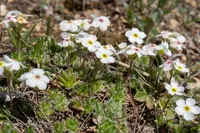
Androsace incana is a small alpine perennial from the primrose family, forming low, compact cushions or mats. Its tiny, silvery, often hairy leaves and delicate white to pale pink flowers create a fine-textured look.

This species naturally occurs in rocky, high-mountain habitats across parts of Europe and Asia, where it faces intense light, wind, and sharp drainage. It is considered moderately challenging, as it dislikes heat, excessive moisture, and heavy soils.

Gardeners usually grow it in rock gardens, troughs, or crevices that mimic its native terrain. Those who want to learn how to care for Androsace incana should provide plenty of light, cool conditions, and sharply drained, gritty soil.

Main Plant Requirements

Care Difficulty

Hard Care

Light Preference

Full Sun

Water Requirements

Low Water

Temperature Preference

Cold Hardy

Hardiness Zone

3–8

Soil Texture

Sandy, Rocky, Loamy

Soil pH

Slightly acidic (6.5–7.0), Neutral (7.0)

Soil Drainage

Well-drained

Fertilization

Minimal (feed rarely)

Get Personalized Care Plan

Scan your plant to receive care tips personalized for your specific plant

Available on iOS and Android

How to Care for the Androsace incana

This alpine cushion plant prefers bright, cool conditions that mimic open, rocky mountain slopes.

  • Provide 6–8 hours of sun in cool climates, ideally full morning sun with light afternoon shade to prevent leaf scorch.
  • In hotter summer areas, give Androsace incana 3–4 hours of early sun plus bright, open shade or high, thin cloud cover for the rest of the day.
  • Avoid deep shade, which causes weak, open growth and poor flowering; adjust by moving plants or thinning nearby vegetation if blooms decrease.

This species prefers evenly moist but never saturated soil, especially during active growth and flowering.

  • Water only when the top 2–3 cm of soil feel dry, letting water drain quickly through the gritty, free-draining mix or rock crevices.
  • Reduce watering in cool, wet seasons; natural rainfall is often enough if soil drains fast and no standing water collects around the crown.
  • Watch for yellowing, soft foliage or a rotten crown as signs of overwatering, and crisp, shrinking leaves and gaps in the cushion as signs of underwatering.

This alpine plant is adapted to cool conditions and can tolerate substantial cold when drainage and airflow are good.

  • Active growth occurs best around 45–65°F (7–18°C), with cooler nights that mimic high-elevation conditions.
  • The plant can tolerate winter lows down to about 0°F (−18°C) in well-drained, sheltered rock gardens; prolonged freeze-thaw in wet soil increases rot risk.
  • Heat above 80°F (27°C) stresses plants, so provide afternoon shade, mulch with grit, and avoid warm, enclosed spots in mid-summer.

This alpine species prefers dry, airy conditions and does not need elevated humidity.

  • Aim for 30–40% humidity, similar to a dry indoor room or exposed outdoor rock garden conditions.
  • Androsace incana tolerates drier air well, but prolonged stagnant, humid air increases risk of rot and fungal spots.
  • Early humidity stress shows as soft, water-soaked foliage and crown rot; improve airflow and avoid misting to correct.

This species needs very sharp-draining, gritty soil that mimics a rocky alpine scree.

  • Use a mix of roughly 40% coarse sand or grit, 40% small gravel, and 20% lean mineral topsoil with little organic matter.
  • Ensure extremely fast drainage; water should pass through within seconds and not leave the mix soggy or compacted.
  • Keep pH slightly alkaline to neutral (about 7.0–7.5), adding a little crushed limestone if native soil is acidic.
  • Avoid heavy clay, peat-heavy bagged mixes, or any soil that stays wet around the crown, as this quickly causes rot.

This compact cushion plant is suitable for containers, especially shallow alpine troughs or rock garden pots.

  • Choose a wide, shallow container that matches its mat-forming habit so the crown sits just above the surrounding grit surface.
  • Use a heavy or stone trough if exposed to strong wind, as the shallow root system offers limited anchoring.
  • Top-dress with coarse grit or small gravel around the crown to keep it dry and prevent surface compaction after watering.

This alpine species prefers lean soil, so fertilizing Androsace incana should stay light and infrequent.

  • Use a low-dose balanced fertilizer (around 5-5-5) or very dilute liquid feed at 1/4–1/2 strength.
  • Apply once at the start of the growing season if growth appears weak; many plants need none.
  • Avoid high-nitrogen or rich composts that encourage soft, leggy growth and reduce hardiness.
  • Stop feeding in late summer so plants harden off before winter.

Pruning needs for Androsace incana are minimal and focus on tidiness and plant health.

  • Best time is after flowering in late spring or early summer, once seed set is finished.
  • Snip off spent flower stems and remove dead or damaged rosettes to reduce disease risk.
  • Thin crowded rosettes lightly to maintain good airflow and a compact cushion shape.
  • Use clean, sharp scissors or small snips, cutting just above healthy foliage without gouging the crown.

This small alpine cushion is usually grown in rock gardens or troughs, where it prefers minimal disturbance.

  • Look for roots circling the container drainage holes or noticeably stalled growth before considering moving Androsace incana.
  • Plan transplanting or repotting for early spring, before strong active growth, and only every few years if essential.
  • Use a shallow, free-draining gritty mix, keeping the crown slightly raised to prevent rot.
  • Lift the plant with as much root ball as possible, handle gently, water lightly, and shade from strong sun for 3–5 days.

Propagation of Androsace incana is possible but somewhat delicate, usually done by seed or careful division.

  • Sow fresh seed in late summer or autumn in a gritty, well-drained mix, leaving trays in a cold frame for natural winter chilling.
  • Maintain cool, evenly moist conditions; many seeds germinate after a cold period called stratification.
  • Divide only well-established cushions in early spring, splitting small outer pieces with intact roots.
  • Replant divisions into sharply drained soil, water lightly, and shelter from heavy rain until new growth appears.

This alpine perennial is quite cold hardy when grown in sharp drainage, though winter wet is a greater risk than low temperatures.

  • Tolerates frost and sub-freezing temperatures if roots are in free-draining gritty soil.
  • Apply a thin gravel mulch around the crown to keep foliage off wet soil and reduce rot risk.
  • In very wet or mild winters, use a simple rain cover or cold frame to limit prolonged saturation.
  • Move container plants to a sheltered, unheated spot with good light and minimal winter watering.

Care Tips

Rock crevice placement

Tuck plants into narrow gaps between stones or in a crevice trough so the roots stay cool and shaded while the rosettes receive maximum light and sharp drainage.

Grit top-dressing

Apply a 0.5–1 cm layer of fine horticultural grit around the rosettes to keep leaf bases dry, reduce crown rot risk, and discourage moss or algae from smothering the cushions.

Snow and rain shielding

In very wet winters or during prolonged rain, use a clear cold frame lid, pane of glass, or angled plexiglass sheet over the planting to shed excess water while still allowing good light and air movement.

Summer drought management

During hot, dry spells, shade the root zone with a strategically placed flat stone or slab, which moderates soil temperature and slows evaporation without increasing humidity around the foliage.

Seedling succession strategy

Collect ripe seed in late summer and sow in pots or trays in a gritty mix outdoors so you maintain a succession of young plants, as cushions can be relatively short-lived when growing Androsace incana in challenging climates.

Common Pests and Diseases

Alpine root rot complex

This disease affects plants in poorly drained or warm, wet conditions, causing sudden collapse of rosettes and browning of the crown and roots. Symptoms include limp foliage, off-color leaves, and a mushy or brittle root system when lifted.

Solution

Improve drainage with a gritty, sharply draining substrate, keep watering light, and avoid water collecting around the crown. Remove and discard affected plants and the surrounding soil, then replant only into cool, free-draining positions or raised crevices to reduce future losses when growing Androsace incana.

Crown and collar rot

This disease starts around the stem base and crown, often following waterlogging or heavy mulching, leading to yellowing, wilting, and rosette disintegration from the center outward. This problem is common in low, damp sites where snow or winter wet lingers around the plant base.

Solution

Plant at a slight tilt or on a slope so water runs away from the crown and keep any gravel mulch thin and free-draining. Cut away early soft, brown tissue if limited, but remove and destroy badly affected plants and avoid replanting in the same poorly drained spot.

Botrytis grey mold

This disease occurs in cool, humid, stagnant air, especially under glass or during long wet spells, producing grey, fuzzy mold on leaves, flower stems, and dead tissue. Symptoms include soft, water-soaked spots that quickly expand and collapse fine foliage and buds.

Solution

Increase airflow, avoid overhead watering, and remove spent flowers and any dead material promptly. Cut off and discard infected parts and, if the plant is under cover, provide drier, brighter, well-ventilated conditions to prevent recurrence.

Aphids

These insects feed on tender shoots and flower stems, causing distortion, sticky honeydew, and sometimes sooty mold on the tiny rosettes. This pest is most noticeable in spring flushes or in sheltered alpine house conditions.

Solution

Squash small colonies by hand or rinse them off gently with water, taking care not to dislodge the plant in its gritty mix. For persistent infestations, use a targeted insecticidal soap or horticultural oil, applied in cool conditions and repeated as needed to break the life cycle.

Spider mites

These pests thrive in hot, dry, sheltered conditions, particularly under glass, leading to fine stippling, dull or greyed foliage, and in severe cases fine webbing across the rosettes. This pest can weaken the plant and increase sensitivity to heat stress.

Solution

Raise humidity locally by damping down benches (not the foliage) and improve airflow while avoiding heat buildup. Rinse foliage gently to dislodge mites and, if necessary, use a miticidal soap or horticultural oil, making sure the fine leaves are thoroughly but lightly coated without saturating the crown.

Interesting Facts

High alpine specialist

This species is native to high mountain regions of central and southern Europe, where it grows on exposed siliceous scree and rocky slopes, tolerating strong winds, intense UV radiation, and large daily temperature swings.

Dense woolly foliage

Its tiny rosettes are covered with a thick layer of silvery, felt-like hairs that reduce water loss, protect against cold and sun, and help the plant survive in very shallow, fast-draining alpine soils.

Pioneer of bare scree

The plant often establishes in coarse, unstable gravel where few other species can survive, contributing to early soil development by trapping fine particles and organic matter between its rosettes and roots.

FAQs about Androsace incana

This species stays very compact, usually forming tight cushions only 3–8 cm tall and 10–20 cm across. Growth is slow and low, making it suitable for rock crevices, troughs, and small alpine beds.

Grow Healthy Plants with Botan Care

Keep your plants happy and healthy with plant identification, disease detection, and easy care guidance.

Botan plant care app — identify plants on mobile

Explore More Plants