Anaphalis morrisonicola Care

Anaphalis morrisonicola

About Anaphalis morrisonicola

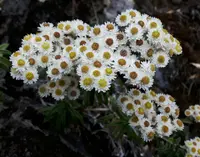
Anaphalis morrisonicola is a compact, herbaceous perennial in the daisy family, valued for its small white, papery flower heads that resemble miniature strawflowers. It typically forms low clumps with narrow, silvery-green leaves, giving a soft, alpine look.

This species is native to high mountain areas of Taiwan, where it grows in open, rocky, well-drained sites. Its origin explains its preference for bright light, cool conditions, and free-draining soil with low to moderate fertility.

Gardeners generally find it moderately easy to grow if drainage is excellent and summer heat is not extreme, which is central to how to care for Anaphalis morrisonicola.

Main Plant Requirements

Care Difficulty

Moderate Care

Light Preference

Full Sun

Water Requirements

Low Water

Temperature Preference

Cold Hardy

Hardiness Zone

4–7

Soil Texture

Sandy, Loamy, Rocky

Soil pH

Acidic (5.5–6.5), Slightly acidic (6.5–7.0)

Soil Drainage

Well-drained

Fertilization

Minimal (feed rarely)

Get Personalized Care Plan

Scan your plant to receive care tips personalized for your specific plant

Available on iOS and Android

How to Care for the Anaphalis morrisonicola

This alpine perennial prefers bright, cool conditions with strong but not scorching sun.

  • Provide 4–6 hours of direct morning sun, then light shade or filtered light in the hotter afternoon, especially in warmer climates.
  • Tolerates light partial shade, but flowering declines if it receives less than about 3–4 hours of direct sun during the growing season.
  • In very strong summer sun, particularly in the south or at low elevations, excessive exposure can scorch foliage, so use neighboring plants or light shade cloth to soften midday rays.

This species prefers evenly moist but free-draining soil and dislikes prolonged wetness.

  • Water only when the top 3–5 cm of soil feel dry, then soak thoroughly so excess drains away, especially important in heavier garden soils.
  • Reduce watering in cool autumn weather once growth slows, and in winter rely mainly on natural rainfall unless conditions are unusually dry.
  • Signs of overwatering include soft, yellowing lower leaves and a sour soil smell, while crisp, drooping stems indicate the need for a deep drink for Anaphalis morrisonicola.

This hardy plant is adapted to cool conditions and tolerates significant cold once established.

  • Active growth occurs best at 55–70°F (13–21°C), with flower production strongest where summers stay relatively mild and nights cool.
  • Established plants generally survive down to about 0°F (−18°C) with good drainage, though young plants benefit from a light winter mulch in very cold regions.
  • In hotter climates, sustained heat above 85°F (29°C) can stress plants, so combine afternoon shade with consistent soil moisture and airflow to prevent decline in Anaphalis morrisonicola care.

This alpine perennial prefers relatively dry air and rarely needs humidity adjustment in typical homes or gardens.

  • Target 30–50% humidity, which matches its native high-mountain, airy conditions.
  • Tolerates drier indoor air well; persistent leaf tip browning or crisping usually relates more to underwatering or heat than humidity deficiency.
  • Humidity trays or grouping plants are generally unnecessary; focus instead on proper soil moisture and air circulation to prevent fungal issues.

This species thrives in light, fast-draining, low-fertility soil that mimics rocky alpine conditions.

  • Use a sandy or gritty loam with 40–60% mineral content, such as equal parts garden loam, coarse sand, and fine gravel or perlite, to keep roots aerated.
  • Aim for slightly acidic to neutral pH, around 6.0–7.0, avoiding strongly acidic or lime-rich mixes unless a soil test confirms suitability.
  • Incorporate only a modest amount of compost (10–20%) since overly rich, organic-heavy soil encourages weak, floppy growth and root problems.
  • Avoid compacted clay, peat-heavy mixes, or any soil that stays wet for more than 1 day after watering, as Anaphalis morrisonicola is sensitive to root rot from poor drainage.

This plant is suitable for container growing when the pot and mix are chosen to stay sharply drained and relatively dry.

  • Select a deep, narrow container that is at least 25–30 cm tall to give its fibrous roots vertical space while preventing water pooling near the crown.
  • Use a terracotta or unglazed clay pot to let excess moisture evaporate through the pot walls, which keeps the gritty mix closer to its preferred dryness.
  • Raise the container slightly on feet or bricks so drainage holes clear the ground, allowing rapid runoff after rain or watering and protecting roots from sitting in collected water.

This alpine perennial grows best in lean soil, so fertilizer needs for Anaphalis morrisonicola are low.

  • Use a light top-dressing of compost or well-rotted manure once in early spring for outdoor plants.
  • For container plants, apply a balanced, slow-release fertilizer (around 10-10-10) at 1/2 strength at the start of the growing season.
  • Avoid feeding during winter dormancy and reduce or skip midsummer feeding if growth is already strong.

Pruning Anaphalis morrisonicola is mainly about keeping the clump tidy and supporting flowering.

  • Cut back spent flower stems in late summer or early fall to encourage a neat appearance and reduce self-seeding.
  • Remove dead, damaged, or diseased stems whenever noticed using clean, sharp hand pruners.
  • Thin crowded shoots at the base in early spring to improve air flow and maintain a compact mound.

This species is usually grown in rock gardens or beds, so focus on careful transplanting rather than frequent repotting.

  • Transplant in early spring or early fall when temperatures are mild to limit stress.
  • Look for signs like roots circling a pot, slow growth, or quick drying soil before moving container-grown Anaphalis morrisonicola.
  • Lift with a generous root ball, disturb roots as little as possible, and replant at the same depth in sharply drained soil.
  • Water gently after transplanting, then keep soil slightly moist (not wet) for 1–2 weeks while roots re-establish.

Anaphalis morrisonicola is commonly propagated by division or seed in home gardens.

  • Divide established clumps in early spring, separating sections with 2–3 healthy shoots and firm roots.
  • Replant divisions immediately into well-drained soil, watering lightly until new growth resumes.
  • Sow seeds in late winter to early spring on the surface of a gritty, free-draining mix and keep lightly moist.
  • Provide bright light and cool conditions (50–60°F) for seed germination, avoiding waterlogged media.

This plant is quite cold hardy and usually needs minimal winter care in temperate climates.

  • Anaphalis morrisonicola tolerates frost once established, especially in well-drained, gritty soil.
  • Apply a thin mulch layer (gravel or coarse bark) around the crown to moderate freeze–thaw cycles without trapping moisture.
  • For containers in very cold regions, move pots to a sheltered, unheated area to prevent root freezing and cracking.

Care Tips

Alpine-style drainage

If your soil is heavy, build a low, gritty mound or raised strip so the crown sits slightly above the surrounding grade, which mimics its alpine habitat and greatly reduces winter crown rot risk.

Snow and ice management

In cold climates, brush off heavy wet snow or ice crusts from the stems after thaws to prevent breakage while still allowing the plant to experience natural winter chill.

Targeted deadheading

If self-seeding is not desired, remove spent flower heads just as they fade but leave a few in less visible spots if you want a limited amount of natural reseeding to refresh the colony.

Clump renewal division

Every 3–4 years, lift and divide congested clumps in early spring, replanting only the most vigorous outer sections and discarding woody, exhausted centers to keep plants compact and floriferous.

Companion planting buffer

Pair it with other drought-tolerant, low-fertility alpines or small grasses to avoid competition from aggressive feeders and keep the planting zone lean, which supports long-term success when growing Anaphalis morrisonicola.

Common Pests and Diseases

Powdery mildew

This disease appears as white, powdery patches on leaves and stems, often during warm days and cool, humid nights. Symptoms include distorted growth and reduced flowering if the infection becomes heavy.

Solution

Improve air circulation around clumps, avoid overhead watering, and remove heavily infected leaves to reduce spore load. If needed, apply a sulfur or potassium bicarbonate fungicide labeled for ornamental perennials, following label directions, and space plants so foliage dries quickly after moisture events as part of general Anaphalis morrisonicola care instructions.

Leaf spot

This disease causes small brown to dark purple spots on foliage, sometimes with yellow halos, especially in prolonged wet conditions. Symptoms include premature leaf yellowing and drop on lower leaves.

Solution

Remove and dispose of affected leaves and any fallen debris to limit reinfection. Water at soil level, increase spacing between plants, and in persistent cases use a copper-based or chlorothalonil fungicide labeled for leaf spots on ornamentals, applied according to instructions.

Aphids

These insects cluster on young stems and flower stalks, sucking sap and causing curling or distortion of new growth. This pest also excretes sticky honeydew that can attract sooty mold on nearby surfaces.

Solution

Spray colonies off with a strong stream of water, focusing on tender shoots and undersides of leaves. For ongoing infestations, treat with insecticidal soap or a light horticultural oil, repeating at 5–7 day intervals while monitoring beneficial insects such as lady beetles.

Spider mites

These pests are tiny and often go unnoticed until leaves show fine stippling, a dull gray-green cast, and delicate webbing between stems and leaves in hot, dry weather. Symptoms include gradual weakening of the plant and reduced vigor.

Solution

Increase humidity around the plants slightly and rinse foliage thoroughly with water, paying attention to leaf undersides. If populations remain high, apply a horticultural oil or insecticidal soap labeled for mites, repeating applications as needed and avoiding treatment during high heat to prevent leaf burn.

Rust

This disease produces small yellow spots on upper leaf surfaces and orange to brown powdery pustules on the undersides. Symptoms include gradual thinning of foliage and reduced ornamental quality late in the season.

Solution

Remove and destroy infected leaves as soon as symptoms appear and keep the area around the plant free of fallen debris. Promote good airflow, avoid wetting foliage, and use a rust-labeled fungicide such as a myclobutanil or chlorothalonil product if the problem recurs annually.

Interesting Facts

High mountain specialist

This species is native to high-elevation alpine zones of Taiwan, where it grows in open, rocky grasslands and shrublands above the treeline, tolerating intense sun, wind, and large temperature swings.

Everlasting flower heads

Its small white flower heads dry naturally on the plant and retain shape and color for a long time, a trait typical of the Asteraceae tribe Gnaphalieae, which makes it suitable for dried floral work in its native range.

Adapted to poor soils

In the wild it often colonizes shallow, nutrient-poor substrates on exposed ridges, using a fibrous root system and low, tufted growth to anchor itself and reduce water loss in harsh alpine conditions.

Botan icon

Did you know?

Anaphalis morrisonicola is considered an endemic species of Taiwan’s high mountains, meaning it occurs naturally only in that region and is closely associated with the island’s alpine flora and ecological history.

FAQs about Anaphalis morrisonicola

This species is moderately attractive to small bees, hoverflies, and some butterflies, mainly for its nectar and pollen. Flower heads are not highly fragrant but provide a useful late-season food source in sunny, open plantings.

Grow Healthy Plants with Botan Care

Keep your plants happy and healthy with plant identification, disease detection, and easy care guidance.

Botan plant care app — identify plants on mobile

Explore More Plants