pelotazo Care (Abutilon incanum)

pelotazo

About pelotazo

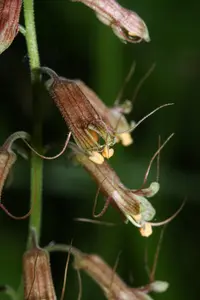
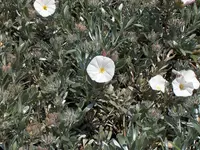
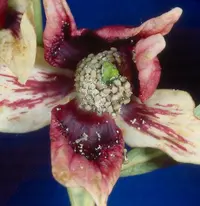
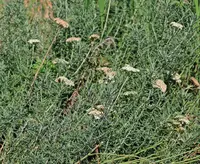
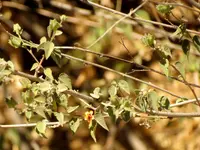
Abutilon incanum, often called pelotazo or trailing abutilon, is a small shrub in the mallow family with a softly gray, fuzzy look. It tends to form low, branching mounds and carries delicate, bell-shaped flowers that attract pollinators.

This species is native to arid and semi-arid regions of the southwestern United States and northern Mexico, where it grows in rocky, well-drained sites. Its drought tolerance and modest nutrient needs make it relatively easy to manage once established.

Pelotazo prefers bright light, lean soil, and infrequent but deep watering, which suits low-input gardens and xeriscapes. Understanding how to care for pelotazo mainly involves respecting its need for sun, drainage, and dry intervals between waterings.

Main Plant Requirements

Care Difficulty

Easy Care

Light Preference

Full Sun

Water Requirements

Low Water

Temperature Preference

Warm Climate

Hardiness Zone

8–11

Soil Texture

Sandy, Loamy, Rocky

Soil pH

Slightly acidic (6.5–7.0), Slightly alkaline (7.0–7.5)

Soil Drainage

Well-drained

Fertilization

Minimal (feed rarely)

Get Personalized Care Plan

Scan your plant to receive care tips personalized for your specific plant

Available on iOS and Android

How to Care for the pelotazo

Abutilon incanum prefers bright, dry conditions similar to its native desert habitats.

  • Provide 6–8 hours of direct sun daily, ideally with strong morning sun and lighter afternoon exposure to reduce leaf scorch risk.
  • Plant pelotazo in an open site that still offers slight afternoon shade in very hot regions, especially where summer highs exceed 95°F (35°C).
  • In winter, ensure at least 4–5 hours of unobstructed sun; in too much shade, stems stretch, flowering drops, and foliage becomes sparse.

Abutilon incanum is drought-tolerant and prefers infrequent, deep watering once established.

  • Outdoors in the ground, water only when the top 5–8 cm of soil are completely dry, then soak the root zone thoroughly and allow soil to drain fully.
  • Use fast-draining, gritty soil; standing water or heavy clay that stays wet causes yellowing leaves, stem dieback, and root rot.
  • In hottest months, expect slightly more frequent watering, while in cool seasons reduce irrigation and monitor for wilting or leaf curl as a cue to water.

This desert mallow thrives in warm, dry climates with mild winters and hot summers.

  • Optimal growth occurs around 70–90°F (21–32°C); flowering and foliage density decline noticeably below 60°F (16°C).
  • Mature plants tolerate brief drops to about 25°F (-4°C), but repeated freezes damage young growth, so protection is useful during hard cold snaps.
  • Heat tolerance is high up to 100–105°F (38–41°C) if soil is well drained; avoid planting in frost pockets or low-lying areas that trap cold air.

Abutilon incanum handles low indoor humidity well and rarely needs special humidity management.

  • Comfortable at 30–50% humidity and tolerates drier air common in heated homes.
  • Pelotazo shows humidity stress mainly as edge browning only when roots are also dry for too long.
  • Simply avoid very hot, stagnant rooms; extra trays, humidifiers, or misting are usually unnecessary.

Abutilon incanum prefers light, fast-draining mineral soils that do not stay wet after watering.

  • Use a sandy or gravelly loam with 20–40% coarse sand or small grit to keep pores open and prevent waterlogging.
  • In containers, combine 50–60% cactus mix with extra perlite or pumice and a small amount of compost for nutrients.
  • Aim for slightly alkaline to neutral pH (7.0–8.0), avoiding peat-heavy mixes that acidify the root zone.
  • Never plant in compacted clay or constantly wet sites; poor drainage quickly leads to root decline and dieback.

This species is suitable for container growing in sunny, dry locations.

  • Choose a wide, heavy container to stabilize the plant in wind and prevent tipping as stems elongate.
  • Select a porous material such as unglazed clay in rainy climates so the root zone dries quickly between waterings.
  • Fill the pot with a very fast-draining, gritty mix so excess water moves away from the crown within minutes.

Abutilon incanum is adapted to lean, desert-type soils and usually needs only light feeding in cultivation.

  • Use a balanced, diluted liquid fertilizer (for example 10-10-10 at 1/4–1/2 strength) or a light top-dressing of compost in spring.
  • Feed every 4–6 weeks during the active growing season if growth or flowering seems weak.
  • Reduce or stop fertilizing in fall and winter when growth slows or the plant is semi-dormant.
  • In poor soils, slow-release granules applied sparingly can support growing pelotazo without causing lush, weak growth.

Pruning Abutilon incanum helps maintain a compact, flowering shrub and removes weak growth.

  • Best time is late winter to very early spring before strong new growth begins.
  • Remove dead, damaged, crossing, or very spindly stems with clean, sharp hand pruners.
  • Shorten overly long shoots by up to 1/3 to improve shape and encourage branching and more blooms.
  • Light thinning of crowded interior stems improves air flow and reduces pest or disease issues.

This species is more often grown in the ground, but container or young plants sometimes benefit from careful transplanting.

  • Transplant or shift to a larger pot in late winter or early spring, before vigorous growth starts.
  • Look for roots circling the pot, slow growth despite good care, or very fast drying soil as signs it needs more space.
  • Move up only 1 pot size, teasing apart circling roots gently and trimming broken ones with clean tools.
  • Water thoroughly after planting, then keep soil lightly moist, shaded, and sheltered from strong wind for 1–2 weeks to reduce stress.

Abutilon incanum is commonly propagated from both seeds and semi-ripe stem cuttings.

  • Sow fresh seeds in spring in a fast-draining mix; keep lightly moist at 70–75°F until germination.
  • Take 7–10 cm semi-ripe cuttings in late spring or summer from non-flowering shoots.
  • Remove lower leaves, dip the base in rooting hormone, and place in a sterile, well-drained medium.
  • Provide bright, indirect light, high humidity, and bottom warmth if possible until roots form.

This desert shrub has good heat tolerance but only moderate cold tolerance, so some winter care is helpful in cooler climates.

  • In-ground plants in mild regions tolerate light frost but may suffer below about 25°F.
  • Apply a 5–8 cm layer of dry mulch around the root zone in late fall, keeping it off the stems.
  • In colder areas, grow in containers and move indoors or into a frost-free greenhouse before hard freezes.

Care Tips

Wind-tolerant shaping

In windy sites, lightly pinch back new shoot tips several times in spring so the plant develops a lower, bushier framework that resists breakage and supports more flowers.

Salt and dust rinsing

In arid or roadside locations, gently hose foliage in the morning every 4–6 weeks to remove dust and road salt that can clog leaf pores and reduce photosynthesis.

Low-water weed control

Keep a 30–45 cm weed-free gravel or coarse sand mulch ring around the base to reduce competition for limited moisture while still allowing excellent drainage.

Targeted branch renewal

Every 1–2 years, remove 1–3 of the oldest, woodiest stems at ground level to stimulate vigorous new shoots that flower more heavily and keep the plant from becoming leggy.

Container root management

For plants grown in large pots, slide the root ball out every 1–2 years, slice off 1–2 cm of circling roots around the sides and bottom, and repot with fresh gritty mix to maintain strong drought-tolerant growth when growing pelotazo.

Common Pests and Diseases

Spider mites

This pest often appears in hot, dry conditions and feeds on leaf sap, causing fine stippling, dull foliage, and thin webbing on stems and leaf undersides.

Solution

Rinse foliage thoroughly with a strong but gentle stream of water, focusing on leaf undersides, then repeat every few days; in persistent cases, apply insecticidal soap or horticultural oil labeled for mites and increase humidity slightly while maintaining good airflow to support Abutilon incanum plant care.

Cottony cushion scale

These insects form white, cottony masses on stems and leaf veins and remove sap, which weakens growth and can cause honeydew and sooty mold buildup.

Solution

Physically remove visible clusters with a cotton swab dipped in isopropyl alcohol, prune heavily infested twigs, and follow up with insecticidal soap or horticultural oil applications every 7–10 days until new growth is clean.

Whiteflies

This pest congregates on leaf undersides and flies up in a small cloud when the plant is disturbed, causing leaf yellowing, sticky honeydew, and sometimes sooty mold.

Solution

Use yellow sticky traps to reduce adult numbers, regularly hose down the plant to dislodge nymphs, and treat leaf undersides with insecticidal soap or horticultural oil, repeating weekly until no new adults emerge.

Leaf spot

This disease causes small brown to tan lesions on leaves that may enlarge and merge, leading to premature yellowing and leaf drop in humid or overcrowded conditions.

Solution

Remove and discard affected leaves, improve spacing and airflow around the plant, avoid overhead watering, and if spotting continues, use a copper-based or other labeled ornamental fungicide according to directions.

Powdery mildew

This disease produces a white, powdery coating on upper leaf surfaces and young stems, which can distort new growth and reduce flowering in shaded, stagnant air conditions.

Solution

Increase light and airflow, water at the soil level in the morning, remove badly affected leaves, and apply a labeled powdery mildew fungicide or horticultural oil on both sides of leaves, repeating as directed until new growth appears clean.

Interesting Facts

Leaf surface “wool”

This species has a dense covering of star-shaped hairs on its leaves and stems that give it a gray, woolly look and help reduce water loss and leaf temperature in hot desert conditions.

Desert wash specialist

Abutilon incanum most often grows along desert washes and rocky slopes in the Sonoran and Chihuahuan deserts, where it tolerates brief flooding followed by extended drought.

Long-season flowering

In warm desert climates, it can bloom for many months of the year, producing pale yellow to cream flowers that provide nectar for native bees and other pollinators during otherwise sparse seasons.

Botan icon

Did you know?

In parts of the southwestern United States, Abutilon incanum is considered an important larval host plant for several native skipper butterflies, which rely on its leaves as a primary food source for their caterpillars in arid habitats.

FAQs about pelotazo

Lack of blooms usually comes from too little light, excessive nitrogen fertilizer, or heavy pruning at the wrong time. Ensure strong sun, use a balanced fertilizer, and prune lightly after main flowering flushes to protect future flower buds.

Grow Healthy Plants with Botan Care

Keep your plants happy and healthy with plant identification, disease detection, and easy care guidance.

Botan plant care app — identify plants on mobile

Explore More Plants