Japanese Ternstroemia Care (Ternstroemia gymnanthera)

Japanese Ternstroemia

About Japanese Ternstroemia

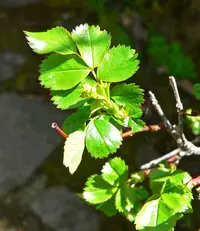
Japanese Ternstroemia (Ternstroemia gymnanthera) is an evergreen shrub or small tree valued for its dense, glossy foliage and tidy, upright form. It is often used in hedges, screens, and foundation plantings.

New leaves may emerge bronze or reddish before maturing to deep green, giving subtle seasonal color interest without showy flowers. In suitable climates it stays attractive year-round.

This species is native to East Asia, including Japan and Korea, and adapts well to many mild, temperate landscapes. It is generally considered moderate in difficulty, as it prefers steady moisture, well-drained acidic soil, and protection from extreme cold or heat when learning how to care for Japanese Ternstroemia.

Main Plant Requirements

Care Difficulty

Moderate Care

Light Preference

Partial Sun

Water Requirements

Moderate Water

Temperature Preference

Warm Climate

Hardiness Zone

7–9

Soil Texture

Loamy, Sandy, Organic-rich

Soil pH

Strongly acidic (4.5–5.5), Acidic (5.5–6.5)

Soil Drainage

Moist but well-drained

Fertilization

Minimal (feed rarely)

Get Personalized Care Plan

Scan your plant to receive care tips personalized for your specific plant

Available on iOS and Android

How to Care for the Japanese Ternstroemia

This evergreen shrub prefers bright conditions with protection from harsh afternoon sun.

  • Provide 4–6 hours of morning sun with light afternoon shade; eastern or northeastern exposures suit Japanese Ternstroemia well.
  • In hot summers, use dappled or filtered light to prevent leaf scorch, especially on young plants and those in reflected heat sites near walls or paving.
  • In cooler climates it tolerates more direct sun, but in warm zones monitor foliage; pale, sparse growth signals too little light, crisp edges signal too much.

This shrub prefers steadily moist but not saturated soil with good drainage.

  • Before watering, allow the top 3–5 cm of soil to dry; soil below should feel slightly moist but never soggy to support healthy Ternstroemia gymnanthera roots.
  • In the first growing season, check moisture 2–3 times per week; in established plants, deepen water less often, focusing on a slow soak that reaches 15–20 cm deep.
  • Reduce frequency in cool or rainy seasons and on heavy clay; yellowing soft leaves indicate excess water, while drooping, dry leaves and shrinking soil indicate underwatering.

This species prefers mild, stable temperatures and does poorly in hard frosts or extreme heat.

  • Optimal growth occurs around 60–80°F (16–27°C); consistent temperatures support dense foliage and steady extension growth.
  • The shrub generally tolerates brief drops to about 15–20°F (-9 to -6°C) once mature, but young plants are more vulnerable and benefit from frost cloth or mulch in cold snaps.
  • In hot climates above 90°F (32°C), combine afternoon shade with mulch and deep watering; heat stress shows as leaf scorch, rolling edges, and slowed new growth.

This species prefers moderate air moisture and only needs targeted humidity care in very dry conditions.

  • Aim for 40–60% humidity; typical indoor levels suit Japanese Ternstroemia if temperature and watering are stable.
  • Tolerates short periods of drier air, but prolonged <30% humidity can cause leaf edge browning or tip dieback.
  • Increase humidity by grouping plants, placing a water-filled pebble tray nearby, or running a small humidifier in very dry rooms.

Ternstroemia gymnanthera grows best in evenly moist, well-drained, structured soil that holds nutrients without staying saturated.

  • Use a loamy mix with noticeable organic matter, such as 50–60% garden soil or commercial planting mix blended with compost.
  • Ensure rapid drainage by adding coarse sand or fine bark plus 10–20% perlite to prevent waterlogging and root decline.
  • Target a slightly acidic to neutral pH around 5.5–7.0, avoiding strongly alkaline or chalky sites that can limit nutrient uptake.
  • Improve aeration by loosening compacted ground, incorporating coarse materials, and avoiding low spots where water collects after rain.

This shrub is suitable for container growing when the pot is chosen and managed to support its woody root system.

  • Select a deep, heavy container that resists tipping as the shrub becomes taller and more wind-exposed.
  • Choose thick-walled clay or concrete if extra moisture loss and root-zone cooling are helpful in hot climates.
  • Raise the pot slightly on feet or bricks so drainage holes stay clear and water runs off the standing surface quickly.

Ternstroemia gymnanthera benefits from light, steady feeding rather than heavy applications.

  • Use a balanced slow-release fertilizer (around 10-10-10) or well-rotted compost mixed into the topsoil in early spring.
  • Feed garden plants once each spring; container plants can receive diluted liquid feed at 1/2 strength every 4–6 weeks in the growing season.
  • Avoid fertilizing in late fall and winter, as growth slows and excess nutrients can stress roots.
  • Water before and after applying fertilizer to reduce the risk of root burn and improve nutrient uptake.

Pruning helps maintain the dense, clean outline of Ternstroemia gymnanthera and removes weak growth.

  • Carry out structural pruning in late winter or very early spring before active growth starts.
  • Remove dead, diseased, crossing, or inward-growing branches first to improve airflow and light penetration.
  • Shorten or thin crowded branch tips to maintain a natural, layered shape rather than shearing flat surfaces.
  • Use clean, sharp hand pruners or loppers and make cuts just above a bud or branch junction.

This species is usually grown in the ground, so focus on careful transplanting rather than frequent repotting.

  • Transplant Ternstroemia gymnanthera in early spring or early fall when temperatures are mild and soil is workable.
  • Look for circling roots in containers, slow growth, or plants drying out quickly as signs that a move to a larger space is needed.
  • Dig a wide hole, disturb circling roots gently, and set the root ball at the same depth, then backfill with native soil improved with compost.
  • Water deeply after transplanting, apply a 5–8 cm mulch ring, and keep soil evenly moist for the first growing season to limit transplant shock.

Propagation of Ternstroemia gymnanthera is usually done by semi-hardwood cuttings, which require stable humidity and warmth.

  • Take semi-hardwood cuttings in late summer from healthy, non-flowering shoots 8–10 cm long.
  • Remove lower leaves, dip the cut end in rooting hormone, and insert into a free-draining mix of peat-free compost and perlite or sand.
  • Maintain high humidity with a clear cover and keep the medium just moist at 70–75°F in bright, indirect light.
  • Seed propagation is possible but slow; fresh seed may need cold stratification, meaning a cool, moist period to trigger germination.

Ternstroemia gymnanthera is moderately cold hardy but benefits from simple winter precautions in colder regions.

  • In climates colder than USDA zone 7, site plants in a sheltered position away from drying winter winds.
  • Apply a 5–8 cm mulch layer around the root zone in late fall, keeping it slightly away from the trunk base.
  • For container plants, move pots into an unheated garage, shed, or porch where temperatures stay above about 20°F.

Care Tips

Wind-hardening routine

In the first 1–2 years, gradually expose young plants to increasing wind by reducing nearby temporary windbreaks so stems lignify (turn woody) evenly and resist storm damage later.

Structured hedge training

When forming a hedge, lightly tip-prune new growth 2–3 times per growing season to encourage dense side-branching, then maintain a slightly wider base than top so lower foliage does not thin out from shading.

Mulch management strip

Keep a 5–8 cm ring of organic mulch around the root zone but pull it back 3–5 cm from the trunk to reduce trunk rot risk and discourage pests that hide against the bark.

Nutrient monitoring pattern

Observe new leaves for pale, washed-out color or stunted size in late spring, and if present, schedule a soil test and adjust fertilization only based on those results rather than applying random supplements when growing Japanese Ternstroemia.

Snow and ice support

In areas with wet snow, loosely tie outer branches with soft horticultural twine before major storms so heavy snow loads do not splay or split the flexible young framework.

Common Pests and Diseases

Tea scale

This pest forms white to brown, crusty, oval bumps on the undersides of leaves, often causing yellow stippling and leaf drop. Infestations are common on sun-exposed foliage of Japanese Ternstroemia hedges.

Solution

Prune out heavily infested twigs, then wash foliage thoroughly with a strong but gentle spray of water to dislodge crawlers. Follow with applications of horticultural oil directed to the undersides of leaves every 7–14 days as needed, and reduce plant stress with proper watering and mulching to improve natural resistance when caring for Japanese Ternstroemia.

Sooty mold

This disease appears as a black, sooty film coating leaves and stems, usually growing on honeydew excreted by sap-feeding insects such as scale. Symptoms include dull, dirty-looking foliage and reduced photosynthesis, but the fungus usually does not invade plant tissues.

Solution

Control underlying sap-feeding pests (often scale) with targeted measures, then gently wash affected leaves with water and a mild soap solution to remove mold. Improve light and airflow through selective pruning to help foliage dry quickly and recover normal function.

Leaf spot

This disease causes scattered tan to dark brown spots on leaves, sometimes with purple margins and a thin yellow halo. In severe cases, heavily spotted leaves may yellow and drop prematurely, thinning the shrub.

Solution

Remove and dispose of affected leaves from the plant and ground to reduce spore levels. Promote good air circulation by thinning dense growth, water at the base rather than overhead, and if needed apply a labeled broad-spectrum ornamental fungicide during wet periods to protect new foliage.

Spider mites

These insects are tiny sap-feeding arachnids that cause fine stippling, bronzing, and dull, dusty-looking leaves, often with delicate webbing on inner branches in hot, dry weather. Symptoms include gradual loss of vigor, especially on plants used as clipped hedges.

Solution

Spray foliage thoroughly with a strong jet of water every few days to knock mites off and break webbing, focusing on inner branches. If populations remain high, use insecticidal soap or summer-weight horticultural oil applied to all leaf surfaces, and keep plants adequately watered to reduce drought stress.

Leaf scorch

This disorder causes brown, dry margins or irregular patches on leaves, often on the outer, sun-exposed portions of the plant, while veins may remain green. Symptoms include overall bronzing and a stressed appearance during hot, windy, or very sunny periods, especially when soil moisture is low or pH is unsuitable.

Solution

Provide consistent soil moisture with deep, infrequent watering and maintain a 5–8 cm mulch layer to keep roots cool. Avoid heavy pruning during extreme heat, protect newly planted shrubs from intense afternoon sun if possible, and ensure the soil is slightly acidic to support healthy Ternstroemia gymnanthera plant care.

Interesting Facts

Evergreen with color change

This species is evergreen yet its new foliage often emerges bronze or reddish and can turn purple-red in colder weather, while older leaves stay glossy dark green, giving the shrub multi-season leaf color without leaf drop.

Acid soil specialist

It is naturally associated with acidic, nutrient-poor soils and shows chlorosis, or yellowing between leaf veins, when grown in alkaline conditions, which makes it a reliable indicator of soil pH in gardens and landscapes.

Coastal and urban tolerant

The shrub tolerates moderate salt spray, air pollution, and pruning, which has led to its widespread use as a clipped hedge and foundation shrub in coastal and suburban plantings when compared with many other broadleaf evergreens.

Botan icon

Did you know?

In some parts of the southeastern United States, this species has been planted so widely for hedging that it has become a common replacement for boxwood in landscapes, largely because it avoids the serious pest and disease problems that have increasingly affected traditional boxwood plantings.

FAQs about Japanese Ternstroemia

This species is evergreen, keeping its foliage year-round. New leaves often emerge bronzy or reddish, then mature to glossy green. In cooler climates, winter temperatures can trigger attractive red or purple tints, but leaves generally remain on the plant.

Grow Healthy Plants with Botan Care

Keep your plants happy and healthy with plant identification, disease detection, and easy care guidance.


Botan plant care app — identify plants on mobile

Explore More Plants