heath wattle Care (Acacia brownii)

heath wattle

About heath wattle

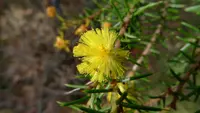
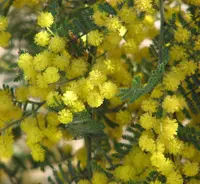
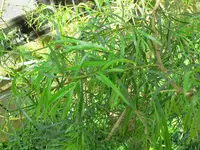
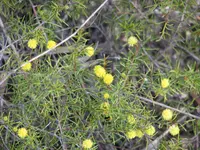
Heath wattle (Acacia brownii) is a small, dense shrub from the dry heathlands and open forests of eastern Australia. It is part of the pea family, Fabaceae. Plants usually stay compact, with fine, prickly foliage and small golden ball-shaped flowers that appear along the stems. This gives it a textured, bushy look suited to low hedges or native-style gardens. In its natural habitat, heath wattle grows in poor, sandy or rocky soils and copes with dry conditions once established. These traits make it relatively tough, but it dislikes heavy, waterlogged ground. Understanding how to care for heath wattle starts with providing strong light, good drainage, and avoiding overwatering.

Main Plant Requirements

Care Difficulty

Moderate Care

Light Preference

Full Sun

Water Requirements

Low Water

Temperature Preference

Warm Climate

Hardiness Zone

9–11

Soil Texture

Sandy, Loamy, Rocky

Soil pH

Acidic (5.5–6.5), Slightly acidic (6.5–7.0)

Soil Drainage

Well-drained

Fertilization

Minimal (feed rarely)

Get Personalized Care Plan

Scan your plant to receive care tips personalized for your specific plant

Available on iOS and Android

How to Care for the heath wattle

This shrub prefers bright conditions and handles full sun in mild climates.

  • Provide 6–8 hours of direct sun daily; morning sun with light afternoon shade suits most gardens.
  • In hotter regions, protect heath wattle from harsh afternoon sun with dappled or filtered light to reduce leaf scorch.
  • In winter, ensure it is not shaded by buildings or trees; in summer, monitor foliage for bleaching or crispy edges as a sign of excessive exposure.

This species prefers infrequent but deep watering once established.

  • Allow the top 5–8 cm of soil to dry before watering; use well-drained, sandy or gravelly soil to prevent waterlogging.
  • In the first growing season, water when foliage slightly softens or lower leaves begin to dull, then soak the root zone thoroughly.
  • Reduce watering in cool or rainy seasons; watch for yellowing, soft foliage as a sign of overwatering and crisp leaf tips as a sign of drought stress.

This plant favors mild, temperate conditions with some tolerance to heat and light frost.

  • Aim for active growth in 60–80°F (16–27°C); sustained, moderate temperatures support healthy foliage and flowering.
  • Mature plants can usually survive brief drops to about 25°F (-4°C), but young Acacia brownii benefit from protection below 32°F (0°C).
  • In heat above 90°F (32°C), provide mulch to cool roots and avoid reflected heat from paving, which can stress leaves and reduce vigor.

This species tolerates a fairly wide humidity range and usually adapts to typical indoor air.

  • Aim for 40–60% humidity; it also copes with periods of drier air if watering and light are appropriate.
  • In very dry heated rooms, heath wattle may show crisp leaf tips or slight leaf drop as low-humidity stress signs.
  • Increase humidity locally by grouping plants or placing the pot on a pebble tray with water kept below the pot base.

Acacia brownii prefers light, well-aerated soil that drains quickly yet does not become dust-dry immediately.

  • Use a sandy or sandy-loam mix with about 50–70% mineral material (coarse sand, fine grit) to prevent waterlogging around the roots.
  • Incorporate 20–30% composted organic matter or fine bark to retain some moisture without creating a heavy, compact mass.
  • Keep pH slightly acidic to neutral (pH 6.0–7.0); avoid high-lime mixes that can limit nutrient availability over time.
  • Improve aeration by adding perlite or pumice and avoid dense clay-based soils, which promote root rot under even moderate overwatering.

This species can be grown in containers if the pot and substrate are managed to keep roots aerated and stable.

  • Choose a pot slightly deeper than wide to accommodate the developing taproot and reduce tipping in windy positions.
  • Select a heavier material like ceramic or thick terracotta outdoors to stabilize the plant as the woody canopy develops.
  • Raise the container on pot feet so drainage holes stay clear and excess water can leave quickly after rain or irrigation.

This small Australian shrub is adapted to poor soils, so heath wattle needs only light, careful feeding in cultivation.

  • Use a low-dose, slow-release native plant fertilizer or a very dilute balanced NPK product to avoid excess phosphorus.
  • Feed once at the start of spring and, if growth is weak, again in midsummer for container or intensively grown plants.
  • Apply at 50% of the label rate, onto moist soil, and water in well to reduce root burn risk.
  • Withhold fertilizer in fall and winter, focusing instead on good light and appropriate watering.

Acacia brownii benefits from light structural pruning to maintain a compact, bushy habit and reduce damage risk.

  • Carry out main pruning after flowering in late winter or early spring, once frosts have passed.
  • Remove dead, diseased, crossing, or inward-growing stems first to improve airflow and light penetration.
  • Shorten overly long shoots by up to one-third to encourage denser side branching without cutting into old bare wood.
  • Use clean, sharp secateurs or pruning shears, disinfecting blades between plants to limit disease spread.

This species is usually grown in the ground, so focus on careful transplanting rather than frequent container repotting.

  • Plan transplanting for late winter to early spring when soil is workable and new growth has not fully started.
  • Look for signs such as poor vigor or a rootbound nursery plant, with roots circling the pot or emerging from drainage holes.
  • Move Acacia brownii no more than necessary, typically only once from nursery container to its final, well-drained site.
  • Water the plant well before and after planting, keep the root ball intact, and mulch lightly to reduce stress and moisture loss.

New plants are usually raised from seed, as this method suits the natural biology of Acacia brownii.

  • Collect ripe, hard seeds and store dry until late winter or early spring sowing.
  • Scarify seeds by nicking the coat or pouring hot (not boiling) water over them, then soak 12–24 hours to improve germination.
  • Sow into a very free-draining, low-phosphorus mix, keeping it just moist and warm at 64–75°F with good light.
  • For semi-hardwood cuttings, use young but firm shoots, apply rooting hormone, and maintain high humidity and bottom warmth.

This shrub is moderately frost tolerant but benefits from simple winter precautions in colder regions.

  • In-ground plants usually handle light frosts once established, provided drainage is excellent.
  • Apply a 5–7 cm mulch layer around, but not against, the stem base to buffer root temperatures.
  • In colder zones or exposed sites, use a breathable frost cloth over young plants during hard freezes.
  • Move container-grown specimens to a bright, sheltered porch or unheated greenhouse when prolonged frost is forecast.

Care Tips

Early form training

In the first 1–2 years, lightly tip-prune the leading shoots after flowering to encourage a dense, wind-resistant shrub rather than a tall, straggly plant.

Wind exposure management

Site plants where they receive some airflow but are protected from the strongest prevailing winds, or use a low, open windbreak, as excessive buffeting can snap young, wiry stems.

Low-phosphorus strategy

When planting near other ornamentals, avoid high-phosphorus fertilizers or lawn feeds drifting into the root zone, since this species is sensitive to elevated phosphorus and may show leaf burn or decline.

Mulch with gaps

Apply a coarse, low-fines mulch in a thin layer, keeping a 5–8 cm clear ring around the stem base, to suppress weeds while allowing good air movement and reducing stem rot risk.

Seed pod management

After pods mature and dry, collect a portion for future propagation and remove the rest if self-seeding is not desired, which also helps you monitor the plant’s general vigor when growing heath wattle.

Common Pests and Diseases

Acacia psyllids

This pest feeds on young shoots and leaves, causing cupping, yellowing, and sticky honeydew that can lead to sooty mold growth.

Solution

Prune out heavily infested shoot tips, then hose down foliage to remove insects and honeydew; if needed, apply an insecticidal soap or horticultural oil thoroughly to the undersides of leaves and repeat every 7–10 days until new growth appears clean.

Gall wasps

These insects induce woody swellings or galls on stems and branchlets, which can distort growth and weaken fine twigging on heath wattle.

Solution

Cut off and destroy galled stems during dry weather to remove larvae before they emerge, then monitor new growth and keep plants vigorous through proper watering and full-sun exposure to reduce further gall formation.

Armillaria root disease

This disease, caused by Armillaria fungi in the soil, leads to gradual decline, reduced flowering, yellowing foliage, and dieback, especially in poorly drained or previously forested sites.

Solution

Remove and destroy severely affected plants including as much root material as possible, avoid replanting Acacia or other susceptible woody species in the same spot, and improve site drainage and soil aeration to reduce fungal survival and support replacement plantings.

Phytophthora dieback

This disease results from soil-borne Phytophthora water molds that attack fine roots, leading to wilted foliage, leaf bronzing, and progressive canopy dieback during warm, wet periods.

Solution

Improve drainage, avoid overwatering, and prevent water pooling around the root zone; in high-risk areas use clean, well-draining potting mixes, disinfect tools and footwear, and consider a registered phosphite (phosphonate) trunk or soil treatment under local guidelines to protect remaining plants.

Myrtle scale

This pest forms small, immobile bumps on stems and leaves, sucking sap and causing leaf yellowing, sooty mold, and general decline, especially on sheltered branches.

Solution

Wipe or gently scrub infested stems with a soft brush and diluted soapy water, prune out heavily infested twigs, then apply horticultural oil to smother remaining scale, ensuring thorough coverage of stems and leaf bases and repeating as needed based on reinfestation levels.

Interesting Facts

Tiny, intricate foliage

This shrub has very small, divided leaves that can appear almost moss-like on the stems, giving it a fine, intricate texture compared to many other wattles with broader phyllodes.

Specialist sandstone native

It naturally occurs on nutrient-poor sandstone and shale-derived soils in eastern Australia, showing strong adaptation to low-fertility, often shallow substrates.

Understorey habitat role

In its native heath and open woodland, this species forms low, dense shrubs that provide shelter and nesting sites for small birds and invertebrates, contributing to structural diversity at ground level.

FAQs about heath wattle

Lack of flowering often comes from insufficient light, pruning at the wrong time, or excessive fertiliser, especially high-nitrogen products. Stress from waterlogging, compacted soil, or recent transplanting can also reduce flower bud formation for a season.

Grow Healthy Plants with Botan Care

Keep your plants happy and healthy with plant identification, disease detection, and easy care guidance.

Botan plant care app — identify plants on mobile

Explore More Plants