Root disturbance control
Plant young specimens directly into their long-term position or use deep propagation tubes, since this species resents root disturbance and transplanting can severely slow establishment.

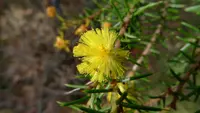
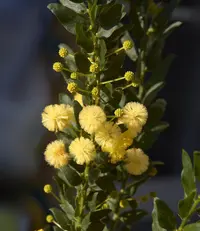
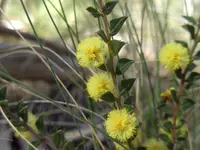
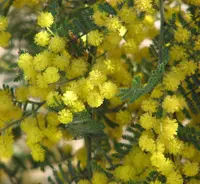
Hooked wattle (Acacia echinula) is a small to medium shrub in the legume family, known for its fine, prickly foliage and bright yellow, ball-shaped flowers. It usually forms a dense, twiggy habit that can work as an informal screen or habitat plant.
This species is native to eastern Australia, where it grows in dry sclerophyll woodlands on sandy or rocky soils. It is generally tough once established, tolerating poor soils and seasonal dry periods, which makes it relatively easy to care for Hooked Wattle in similar conditions.
It prefers an open, sunny position with well-drained soil and benefits from protection from prolonged waterlogging or very heavy frost.

Care Difficulty
Moderate Care

Light Preference
Full Sun

Water Requirements
Low Water

Temperature Preference
Warm Climate

Hardiness Zone
9–11

Soil Texture
Sandy, Loamy, Rocky

Soil pH
Acidic (5.5–6.5), Slightly acidic (6.5–7.0)

Soil Drainage
Well-drained

Fertilization
Minimal (feed rarely)
Scan your plant to receive care tips personalized for your specific plant
Available on iOS and Android
This shrub prefers bright, open conditions with plenty of direct sun for compact, healthy growth.
This species is drought-tolerant once established and prefers infrequent, deep watering over light, frequent applications.
This wattle performs best in warm, temperate climates with mild winters and low humidity.
Acacia echinula tolerates relatively dry air and usually does not need special humidity management.
Acacia echinula prefers freely draining, sandy to loamy mineral soils that prevent waterlogging.
This species can be grown in containers for several years if the pot and mix are chosen for fast drainage and root stability.
Acacia echinula is adapted to low-nutrient soils and usually needs only light feeding in cultivation.
Acacia echinula benefits from light, targeted pruning to maintain structure and plant health.
This species is usually grown in the ground, so focus on careful transplanting of young plants rather than frequent repotting.
New plants of Acacia echinula are most reliably raised from seed under warm, bright conditions.
Mature Acacia echinula in suitable climates is fairly tolerant of light frost and often needs minimal winter care.

Plant Health Check
Not sure what's wrong with your plant? Check your plant's health inside the app.
This shrub has stiff, sharply pointed branchlets rather than true spines, forming a tangled, defensive canopy that deters browsing animals in its native habitats of New South Wales.
It produces small, bright yellow, globular flower heads typical of many Australian wattles, which provide pollen and nectar resources for native insects during its flowering period.
The species naturally occurs on sandstone-derived soils in dry sclerophyll vegetation, showing a strong preference for well-drained, low-fertility sites in its limited distribution range.
Poor flowering is often linked to insufficient light, excess nitrogen fertilizer, or pruning at the wrong time that removes flower buds. Ensure strong sun exposure, avoid high-nitrogen feeds, and prune lightly only after main flowering has finished.
Keep your plants happy and healthy with plant identification, disease detection, and easy care guidance.