Durable trellis support
Install a strong, weather-resistant trellis or wire system before planting and train young vines in a single direction so the heavy stems and flowers do not tear themselves loose in wind or rain.

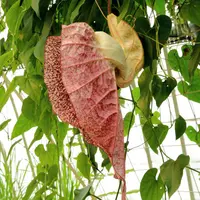
Pelicanflower, Aristolochia grandiflora, is a vigorous tropical vine known for its huge, unusual, mottled flowers that resemble a pelican’s pouch. The blooms often have a strong scent that attracts flies for pollination.
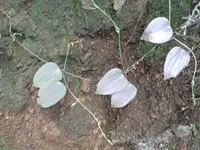
This species climbs by twining stems and prefers warm, humid conditions, making it better suited to greenhouses or sheltered outdoor spots in mild climates. Its large heart-shaped leaves create a dense, lush screen when given a sturdy support.
In the wild, it occurs in tropical regions of Central America and the Caribbean. Gardeners who care for pelicanflower should be prepared for its fast growth, specific warmth needs, and occasional strong flower odor.

Care Difficulty
Hard Care

Light Preference
Partial Sun

Water Requirements
Keep Soil Moist

Temperature Preference
Tropical / Frost Sensitive

Hardiness Zone
10–11

Soil Texture
Loamy, Organic-rich

Soil pH
Acidic (5.5–6.5), Slightly acidic (6.5–7.0)

Soil Drainage
Moist but well-drained

Fertilization
Light (every 4–6 weeks)
Scan your plant to receive care tips personalized for your specific plant
Available on iOS and Android
This vigorous vine prefers bright, warm conditions that mimic its native tropical habitat.
This species prefers consistently moist but never waterlogged soil throughout the growing season.
This tropical vine thrives in warm, frost-free conditions with stable temperatures.
This tropical vine prefers fairly high humidity to grow vigorously and flower well.
Aristolochia grandiflora prefers moist, airy, organic-rich soil that drains freely yet does not dry out too fast.
This species adapts well to container growing when the pot supports its large vine and root system.
This vigorous tropical vine benefits from moderate, consistent feeding during the warm growing season.
Aristolochia grandiflora benefits from light, targeted pruning to control size and support flowering on strong vines.
This large, fast-growing vine is usually grown in the ground but can be container-grown and occasionally needs transplanting or repotting.
New Aristolochia grandiflora plants are most often raised from seed, with stem cuttings used where warm, humid conditions are available.
This tropical vine is frost-tender and needs thoughtful winter care in climates with cool or freezing conditions.

Plant Health Check
Not sure what's wrong with your plant? Check your plant's health inside the app.
This species produces one of the largest flowers in the genus, with a flat, heart-shaped limb that can exceed 30 cm across and functions as a visual lure for pollinators.
The flower emits a carrion-like odor and uses a hairy tubular chamber to temporarily trap flies, releasing them later dusted with pollen to promote cross-pollination.
The mottled purple-brown and cream pattern on the corolla closely resembles decomposing flesh, an adaptation that enhances attraction of scavenging fly species in its native range.

In some Caribbean and Central American regions, this plant has become a notable backyard curiosity because its flowers can be almost as large as a human head, yet each bloom typically lasts only a few days before collapsing.
Lack of flowers usually relates to plant immaturity, insufficient warmth, or inadequate light intensity. Heavy pruning, nutrient-poor soil, or root disturbance also delay flowering. Provide stable heat, bright conditions, and time; this species often needs several seasons to bloom reliably.
Keep your plants happy and healthy with plant identification, disease detection, and easy care guidance.