swanflower Care (Aristolochia erecta)

swanflower

About swanflower

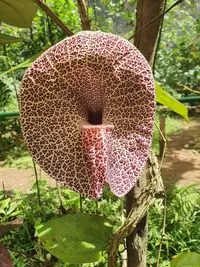
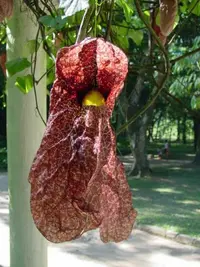
Swanflower (Aristolochia erecta) is a small, twining or scrambling perennial often grown for its unusual, pipe-shaped flowers. The blooms are typically greenish to purple-brown and attract specialized pollinating insects.

In nature it occurs in parts of the southern United States and Central America, usually in open, sunny habitats with well-drained soils. Its slender stems and modest size make it suitable for small supports or mixed plantings.

This species is moderately easy to grow if given warmth, consistent moisture, and a free-draining soil. Understanding how to care for swanflower mainly involves providing bright light, avoiding waterlogged conditions, and protecting it from cold.

Main Plant Requirements

Care Difficulty

Moderate Care

Light Preference

Partial Sun

Water Requirements

Moderate Water

Temperature Preference

Warm Climate

Hardiness Zone

8–11

Soil Texture

Sandy, Loamy, Organic-rich

Soil pH

Acidic (5.5–6.5), Slightly acidic (6.5–7.0)

Soil Drainage

Moist but well-drained

Fertilization

Minimal (feed rarely)

Get Personalized Care Plan

Scan your plant to receive care tips personalized for your specific plant

Available on iOS and Android

How to Care for the swanflower

This subtropical climber prefers bright, indirect light with some direct morning sun for strongest growth.

  • Provide 3–5 hours of gentle morning sun with light afternoon shade, or all-day bright filtered light through a sheer or dappled canopy.
  • Tolerates light partial shade, but flowering of swanflower decreases if it receives less than 3 hours of sun or is grown in deep shade.
  • Avoid harsh midday to late-afternoon sun in hot climates, which can scorch leaves; give more shade in summer and slightly more sun in cooler seasons.

This vine prefers evenly moist, well-drained soil that never stays waterlogged for long periods.

  • Water when the top 2–4 cm of soil feels dry, using enough water to moisten the root zone, then allow excess to drain away fully.
  • Increase watering during active warm-season growth if leaves soften, curl, or droop by late day, which suggests the soil has dried too far.
  • Reduce watering in cooler months, watching for yellowing, mushy leaves or a sour soil smell as signs of overwatering in Aristolochia erecta.

This species grows best in warm, frost-free conditions typical of mild subtropical climates.

  • Aim for 70–85°F (21–29°C) during active growth, with slightly cooler nights, to support steady vine and flower development.
  • Protect the plant from temperatures below 40°F (4°C); light frost can damage foliage, and hard freezes may kill stems or roots.
  • In hot spells above 95°F (35°C), provide extra shade and soil moisture, and use mulch to buffer root temperatures and reduce stress.

This species accepts a wide humidity range but grows best with moderate ambient moisture.

  • Aim for 40–60% humidity, which is typical of most homes and suits swanflower foliage and flowering.
  • It tolerates brief drier air, but prolonged levels below 30% can cause leaf edge browning and tip dieback.
  • Increase humidity by grouping plants, placing the pot near (not on) a pebble tray, or running a small room humidifier.

Aristolochia erecta prefers light, well-aerated soil that drains quickly yet retains modest moisture.

  • Use a loose mix of 50–60% standard potting mix with 20–30% coarse sand and 20% perlite for structure and airflow.
  • Aim for slightly acidic to neutral pH around 6.0–7.0, which supports nutrient uptake without causing micronutrient lockout.
  • Ensure water drains freely and the mix never stays waterlogged; soggy, compacted, or heavy clay-based substrates promote root rot.
  • Incorporate fine bark or fibrous compost to improve organic content while keeping the texture crumbly rather than dense.

This species is well suited to container cultivation when the pot supports its vining habit and drainage needs.

  • Choose a wide, stable container so the vine can be trained on a small trellis without the pot tipping in wind or when watered heavily.
  • Select a pot material with moderate weight, such as ceramic or thick-walled plastic, to balance moisture retention and outdoor stability.
  • Leave several centimeters between the root mass and pot walls to allow lateral root expansion without creating a large, persistently wet soil volume.

Aristolochia erecta grows on relatively low fertility but benefits from light feeding in active growth.

  • Use a balanced liquid fertilizer (for example 10-10-10) at 1/4–1/2 strength every 4–6 weeks in spring and summer.
  • Alternatively, apply a thin layer of mature compost around the root zone instead of frequent liquid feeding.
  • Avoid high-nitrogen products that push weak, leafy growth at the expense of flowers on swanflower.
  • Stop feeding in fall and winter to allow natural dormancy and prevent soft, frost-sensitive growth.

Pruning Aristolochia erecta is mainly used to manage size, encourage branching, and remove weak growth.

  • Best time is late winter to very early spring before new shoots extend.
  • Cut out dead, damaged, tangled, or inward-growing stems with clean, sharp hand pruners.
  • Lightly shorten overly long vines to maintain the chosen support shape and improve flowering exposure.
  • Disinfect blades between plants to limit disease spread and avoid heavy cuts on very old, woody stems.

This species is often grown in the ground, but container plants appreciate occasional repotting or careful transplanting.

  • Plan to move or repot every 2–3 years, or when roots circle the pot and growth slows noticeably.
  • Carry out transplanting in spring, when temperatures rise and new growth starts, to support quick recovery.
  • Slide the plant out gently, loosen circling roots, and trim only broken or rotten sections to reduce stress.
  • Replant at the same depth in a slightly larger container or well-drained garden soil, then water thoroughly and shade for a few days.

Aristolochia erecta is typically propagated by seed, with stem cuttings used less often.

  • Collect ripe seeds in late summer, then sow in spring in a free-draining seed mix kept lightly moist.
  • Maintain warm conditions of about 70–75°F and bright, indirect light to support germination.
  • For cuttings, take semi-ripe stems in late spring, use rooting hormone, and place in a humid environment.
  • Provide bottom warmth if possible and ensure good air circulation to limit fungal issues during rooting.

In mild climates Aristolochia erecta needs little winter attention, but extra care helps in colder regions.

  • In zones warmer than about USDA 8, plants usually overwinter outdoors with minimal damage.
  • Where frost is common, add 5–8 cm of organic mulch around the root zone in late fall.
  • Move container plants indoors or into a cool, bright, frost-free space before hard freezes.

Care Tips

Provide climbing support

Install a low trellis, pea netting, or wire frame early in the season so vines can latch on naturally and develop strong, evenly spaced flowering stems instead of tangling on nearby plants.

Use light pinching

Pinch back soft shoot tips once or twice early in active growth to encourage branching and more flowering sites, but stop pinching once flower buds are visible to avoid reducing bloom.

Targeted caterpillar control

Inspect the undersides of leaves weekly for leaf-feeding caterpillars and remove them by hand or use a targeted Bacillus thuringiensis (Bt) product, which spares beneficial insects that help manage other pests when growing swanflower.

Root zone mulching

Apply a 3–5 cm layer of inert mulch like fine bark or shredded wood around, but not touching, the stems to keep roots cooler, reduce soil splash on foliage, and stabilize moisture for more consistent growth.

Container refresh schedule

For plants grown in pots, top-dress annually by removing the top 2–3 cm of exhausted mix and replacing it with fresh, well-draining medium, and plan a full repot every 2–3 years to prevent root congestion that limits flowering.

Common Pests and Diseases

Leaf‑feeding caterpillars

This pest often appears where Aristolochia species grow near butterfly habitat, as the leaves are a host food source for swallowtail larvae. Symptoms include irregular holes, ragged leaf edges, and rapid defoliation on young vines.

Solution

Hand-pick visible caterpillars and remove heavily damaged leaves to reduce feeding pressure. Where defoliation is severe on small plants, protect new growth with a fine mesh barrier or use a targeted bioinsecticide containing Bacillus thuringiensis (Bt), applied in the evening and only to affected foliage to limit impact on non-target insects.

Spider mites

These insects are favored by hot, dry conditions and can develop on Aristolochia erecta grown in containers or sheltered spots. Symptoms include fine stippling on leaves, slight bronzing, and delicate webbing on the undersides of foliage.

Solution

Rinse the plant thoroughly with a firm stream of water, focusing on the undersides of leaves, and repeat every few days to disrupt the population. Increase humidity around the plant, improve airflow, and, if needed, apply horticultural oil or insecticidal soap, ensuring full coverage of leaf undersides while avoiding use in strong sun or at high temperatures.

Aphids

These insects cluster on tender shoots and flower stems, feeding on sap and excreting sticky honeydew. Symptoms include curled or distorted new growth, slow vine extension, and sometimes sooty mold developing on the honeydew.

Solution

Prune off heavily infested shoot tips and wash remaining stems and leaves with water or insecticidal soap, making sure to reach all sides of the stems. Encourage or introduce natural predators such as lady beetles in outdoor plantings and avoid high nitrogen fertilization, which promotes the very soft growth aphids prefer.

Powdery mildew

This disease may develop on Aristolochia erecta foliage in shaded, crowded, or poorly ventilated positions. Symptoms include white, powdery patches on upper leaf surfaces, slight leaf distortion, and premature yellowing or drop of infected leaves.

Solution

Remove and discard affected leaves to reduce spore load, and thin surrounding vegetation or relocate containers to improve light and air movement. Water the soil rather than the foliage, and where needed apply a sulfur or potassium bicarbonate fungicide labeled for ornamental vines, following directions closely as part of broader Aristolochia erecta care.

Interesting Facts

Specialized fly pollination

This species has small, tube-shaped flowers that emit a faint scent and visual cues tailored to attract tiny flies, which become temporarily trapped and dusted with pollen before being released.

Curved pipe-shaped flowers

Its yellow to greenish flowers are strongly curved like a tiny pipe, creating a chamber that guides and holds visiting insects long enough to ensure effective pollination.

Great Plains native vine

This slender, herbaceous vine is native to the south-central United States, especially parts of the Great Plains and adjacent regions, where it grows in dry prairies, open woodlands, and disturbed sandy soils.

FAQs about swanflower

Lack of flowers usually comes from insufficient light, nutrient-poor or very rich soil, or pruning at the wrong time. Ensure strong sun, moderate feeding, and avoid cutting young shoots that will bear buds. Aristolochia erecta care is quite specific.

Grow Healthy Plants with Botan Care

Keep your plants happy and healthy with plant identification, disease detection, and easy care guidance.

Botan plant care app — identify plants on mobile

Explore More Plants