Monstera tenuis Care

Monstera tenuis

About Monstera tenuis

Monstera tenuis is a tropical aroid vine known for its thin, elongated leaves that develop delicate perforations as the plant matures. It naturally climbs trees in humid Central and South American forests. In cultivation it tends to stay compact when young, then produces longer, trailing or climbing stems that benefit from a support. The foliage looks refined but is fairly resilient if basic needs are met. Many growers find it moderately easy once light, warmth, and moisture are consistent, though it reacts poorly to cold drafts and chronic overwatering. Those learning how to care for Monstera tenuis should know it prefers bright, filtered light, lightly moist but airy soil, and stable indoor conditions.

Main Plant Requirements

Care Difficulty

Moderate Care

Light Preference

Bright Indirect Light

Water Requirements

Moderate Water

Temperature Preference

Tropical / Frost Sensitive

Hardiness Zone

11–12

Soil Texture

Loamy, Organic-rich

Soil pH

Acidic (5.5–6.5), Slightly acidic (6.5–7.0)

Soil Drainage

Moist but well-drained

Fertilization

Light (every 4–6 weeks)

Get Personalized Care Plan

Scan your plant to receive care tips personalized for your specific plant

Available on iOS and Android

How to Care for the Monstera tenuis

This species prefers bright, filtered light that mimics dappled forest canopy conditions.

  • Provide 6–8 hours of bright, indirect light each day; light filtered through a sheer curtain or beneath taller plants suits Monstera tenuis well.
  • Allow gentle morning sun in east-facing positions, but protect from harsh midday or afternoon sun that can scorch leaves and cause pale, crispy patches.
  • In lower light or heavy shade, expect slower growth and smaller leaves; during short winter days, move the plant closer to a bright window or supplement with a grow light.

This plant prefers evenly moist but never waterlogged substrate.

  • Water when the top 2–4 cm of soil feels dry to the touch, using thorough watering that lets excess drain away completely.
  • In spring and summer, drying will be faster and watering may be needed more often; in fall and winter, extend intervals and let the top layer stay dry a bit longer.
  • Yellowing, limp leaves and a sour soil smell indicate overwatering or poor drainage, while drooping, curling leaves and very dry mix signal underwatering.

This species thrives in warm, stable conditions similar to a lowland tropical forest.

  • Aim for 70–80°F (21–27°C) for active growth, with acceptable short-term ranges of 65–85°F (18–29°C) if other conditions are stable.
  • Avoid exposing the plant below 55°F (13°C); brief dips may stunt growth, and near-freezing or frost conditions can cause severe leaf and stem damage.
  • In hotter periods above 85°F (29°C), increase air movement and humidity while shading from intense sun to limit heat stress and leaf scorch.

This species prefers warm, moderately humid air and reacts quickly to very dry conditions.

  • Aim for 50–70% humidity to reduce leaf edge crisping and stall in new growth.
  • It tolerates brief dips to 35–40%, but prolonged dry air causes curling, dull leaves, and brown tips.
  • Increase humidity with a nearby humidifier, grouped plants, or a pebble tray, rather than misting that keeps leaves wet.

This species prefers a loose, airy, organic-rich mix that drains quickly yet holds some moisture.

  • Use a base of peat or coco coir with chunky bark and perlite to create a fibrous, well-structured mix.
  • Target slightly acidic to neutral pH around 6.0–7.0, which keeps nutrients available without excess salt buildup.
  • Add 10–20% orchid bark or pumice to improve aeration so roots can access oxygen and resist rot.
  • Avoid dense garden soil, fine sand-heavy mixes, or containers where water lingers on the surface for more than a few minutes.

This species is very suitable for container growing due to its compact climbing habit.

  • Choose a pot just 3–5 cm wider than the root mass to balance moisture retention with oxygen around the roots.
  • Use a stable, slightly heavier container if adding a moss pole or trellis so the plant does not tip as it climbs.
  • Select pot materials with moderate moisture retention, such as glazed ceramic or thick plastic, to prevent rapid drying of the chunky mix.

Light, consistent feeding supports healthy growth and leaf development in Monstera tenuis.

  • Use a balanced liquid fertilizer (around 10-10-10 or 20-20-20) diluted to 1/2–1/4 strength for container plants.
  • Feed every 4–6 weeks during the active growing season in spring and summer.
  • Suspend or reduce feeding to 1 light application for the whole period in fall and winter.
  • Organic options like diluted compost tea or a mild slow-release fertilizer also work well in well-drained soil.

Thoughtful pruning keeps Monstera tenuis manageable and encourages dense, healthy growth.

  • Plan main pruning for late winter or early spring before strong new growth begins.
  • Remove dead, yellowing, or damaged leaves and any crowded or crossing stems with clean, sharp shears.
  • Shorten overly long vines to shape the plant and promote branching near the cut points.
  • Disinfect blades with alcohol between plants to reduce the risk of spreading disease.

Occasional repotting or transplanting maintains root health and supports steady growth.

  • Look for roots circling the pot, emerging from drainage holes, or persistent slowing of growth as signals to move up.
  • Plan to repot every 2–3 years in spring, when recovery and new root growth are strongest.
  • Shift to a container 2–5 cm wider, using an airy mix with bark and perlite to limit waterlogging.
  • Water thoroughly after repotting, keep in bright but indirect light, and avoid heavy feeding for 3–4 weeks to reduce root stress.

Vegetative propagation is the standard way to increase Monstera tenuis plants for indoor collections.

  • Take stem cuttings with at least 1 node and preferably an aerial root in late spring or early summer.
  • Root cuttings in water or a loose mix of perlite and peat/coir, keeping temperatures around 70–80°F.
  • Maintain high humidity (60–80%) and bright, indirect light to support rapid root formation.
  • After strong roots form, pot into a well-drained mix and transition to normal watering gradually.

Cold-sensitive Monstera tenuis needs protection anywhere temperatures drop near freezing.

  • Avoid exposure to temperatures below 50°F; freezing conditions will damage foliage and stems.
  • Move container plants indoors or into a heated greenhouse before the first frost date.
  • Place indoors in bright, indirect light and reduce watering so the top soil layer dries between waterings.
  • In mild climates outdoors, insulate the root zone with a 5–8 cm layer of dry mulch around the base.

Care Tips

Use vertical support

Provide a narrow, firm moss pole or slatted board wrapped in sphagnum so the plant can attach and climb, which encourages stronger growth and better leaf development than trailing in a pot.

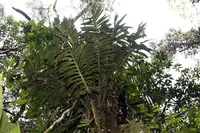
Guide aerial roots

Gently press aerial roots onto the support or into the moist pole material and secure them with soft ties, which improves water and nutrient uptake and stabilizes the vine as it elongates.

Plan for repot timing

Repot in late spring just as new growth starts, shifting only 1 pot size up and disturbing roots as little as possible to avoid set-back in this relatively fine-rooted species.

Encourage dense foliage

Pinch or cut back weak, overly long runners above a node and root healthy cuttings in a separate pot to create a fuller, multi-stemmed specimen when growing Monstera tenuis.

Monitor for mite stress

Inspect the undersides of the thin leaves every 1–2 weeks, especially in heated indoor air, and treat early with a horticultural soap spray if fine speckling or webbing appears to prevent long-term damage.

Common Pests and Diseases

Spider mites

This pest often appears on thinner, vining foliage in warm, dry indoor air, causing stippled, dull leaves and fine webbing on Monstera tenuis vines and leaf undersides.

Solution

Rinse vines and leaf undersides thoroughly with a strong but gentle stream of lukewarm water, then treat with insecticidal soap or a ready‑to‑use neem oil spray every 5–7 days until no new damage appears, while slightly raising humidity and improving air movement to prevent reinfestation.

Thrips

These insects are drawn to the thin, fenestrated leaves and fast new growth, leading to silvery streaks, distorted young leaves, and black specks of frass on surfaces.

Solution

Isolate the plant, remove and discard heavily scarred leaves, then use sticky traps to monitor adults and apply a systemic insecticide labeled for indoor ornamentals or repeated treatments of insecticidal soap, focusing on new growth and leaf axils where thrips hide.

Aphids

These insects cluster on tender new shoots and aerial roots along the climbing stems, causing curling, sticky honeydew, and sometimes sooty mold on the foliage below.

Solution

Prune off heavily infested shoot tips, rinse remaining stems and leaves thoroughly, and follow with 2–3 rounds of insecticidal soap or neem oil spray at 5–7 day intervals, checking especially around nodes and newly emerging leaves.

Bacterial leaf spot

This disease shows as water‑soaked, translucent to dark lesions that may follow the veins on the relatively thin leaf blades, sometimes with yellow halos at the margins.

Solution

Promptly remove and discard affected leaves, avoid wetting foliage, increase air circulation around the climbing support, and keep tools and pots clean; in persistent cases, use a copper‑based bactericide according to label directions and space the plant so leaves dry quickly after watering.

Anthracnose

This disease causes tan to dark brown, sunken spots that may merge along leaf edges or fenestrations, especially when foliage stays damp in low‑airflow conditions typical of dense Monstera tenuis walls or poles.

Solution

Cut off and discard damaged leaves, reduce overhead misting, improve airflow, and allow the top layer of the substrate to dry slightly between waterings; in severe or recurring cases, apply a fungicide labeled for anthracnose on indoor ornamentals, ensuring full coverage of both leaf surfaces.

Interesting Facts

Shingle growth habit

In its juvenile phase this species grows as a shingling climber, pressing each leaf flat against tree trunks or other surfaces in overlapping rows, an adaptation that helps it capture light efficiently in the dim lower rainforest canopy.

Tiny adult fenestrations

Compared with better-known Monstera species, its mature leaves develop only very small or modest perforations, giving the plant a more delicate, narrow-leaved look even when fully adult.

Specialized forest niche

This species is naturally found in moist lowland to premontane tropical forests of Central and parts of South America, where it lives as an epiphyte or hemi-epiphyte on host trees rather than rooted directly in the forest floor.

FAQs about Monstera tenuis

This species is a climbing aroid that anchors itself with aerial roots. It prefers to grow upward on a support rather than spread across the ground, forming a vertical curtain of thin, fenestrated leaves in suitable conditions.

Grow Healthy Plants with Botan Care

Keep your plants happy and healthy with plant identification, disease detection, and easy care guidance.

Botan plant care app — identify plants on mobile

Explore More Plants