Strategic thinning cuts
Each spring, remove a few of the oldest, woody stems right at the base to keep the shrub open, which improves air flow and reduces fungal issues as it matures.

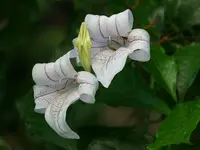
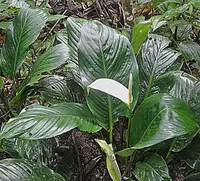
River bells, Mackaya bella, is a soft-wooded evergreen shrub valued for its showy, tubular, bell-shaped flowers. It typically forms a dense, upright to arching mound with glossy green leaves. Native to warm regions of South Africa, it prefers mild, frost-free climates and sheltered positions. In cooler areas, it is often grown in containers and protected indoors over winter. The plant is moderately fast-growing and responds well to pruning, which helps maintain shape and encourage flowering. It is considered reasonably easy to grow if given bright light, free-draining soil, and steady moisture. Understanding how to care for River bells makes it a reliable choice for patios, conservatories, and bright indoor spaces.

Care Difficulty
Moderate Care

Light Preference
Partial Shade

Water Requirements
Regular Water

Temperature Preference
Tropical / Frost Sensitive

Hardiness Zone
10–11

Soil Texture
Loamy, Sandy, Organic-rich

Soil pH
Acidic (5.5–6.5), Slightly acidic (6.5–7.0)

Soil Drainage
Moist but well-drained

Fertilization
Light (every 4–6 weeks)
Scan your plant to receive care tips personalized for your specific plant
Available on iOS and Android
This shrub prefers bright, indirect light with some gentle direct sun for best flowering.
This species prefers evenly moist but not saturated soil with slight drying between waterings.
This subtropical shrub grows best in mild, frost-free conditions with moderate warmth.
This shrub benefits from moderately high humidity and reacts quickly to very dry indoor air.
This species prefers a loose, humus-rich, well-drained substrate that stays evenly moist but not waterlogged.
This shrub is suitable for container growing when the pot supports its vigorous root system and tall growth habit.
Mackaya bella benefits from moderate feeding to support lush foliage and flowering.
Mackaya bella responds well to light structural pruning that maintains shape and encourages flowering wood.
Container-grown Mackaya bella benefits from occasional repotting or transplanting to sustain healthy root growth.
Mackaya bella is most commonly propagated from semi-ripe stem cuttings under warm, humid conditions.
Mackaya bella is frost-tender and requires considered winter care in regions with freezing temperatures.

Plant Health Check
Not sure what's wrong with your plant? Check your plant's health inside the app.
This species is native to the mist-belt forests and wooded ravines of eastern South Africa and Eswatini, where it grows as an understory shrub in bright but filtered light conditions.
The pale lilac to white tubular flowers show strong violet or purple veins that guide pollinating insects toward the nectar, a pattern known as nectar guides in pollination biology.
In frost-free or only lightly frosted regions, this shrub remains evergreen and can flower over a long season, but in cooler areas it may become semi-deciduous and flower more seasonally.
Insufficient light, heavy pruning at the wrong time, or poor nutrition often reduce flowering. Use a balanced fertilizer in spring, avoid cutting new shoots too hard, and provide bright conditions to support bud formation.
Keep your plants happy and healthy with plant identification, disease detection, and easy care guidance.



-1-200x133.webp)