Cudweed Care (Anaphalioides trinervis)

Also known as: Puatea
Cudweed

About Cudweed

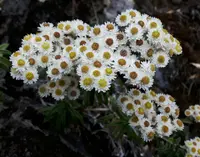
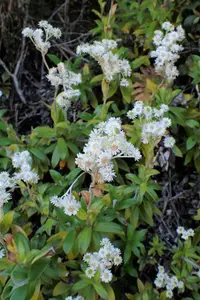
Cudweed (Anaphalioides trinervis) is a small, herbaceous perennial known for its silvery-green, felted foliage and compact, mounding habit. It stays relatively low and forms soft, spreading clumps that work well as edging or groundcover.

This species is native to parts of New Zealand, where it grows in open, often rocky or coastal habitats. Its woolly leaves help reduce moisture loss and protect the plant from wind and sun, which also makes it quite resilient in garden settings.

Gardeners who want to care for Cudweed should know it generally prefers bright light, well-drained soil, and moderate moisture, and it tends to be low-maintenance once established.

Main Plant Requirements

Care Difficulty

Moderate Care

Light Preference

Full Sun

Water Requirements

Moderate Water

Temperature Preference

Cool Climate

Hardiness Zone

7–9

Soil Texture

Sandy, Loamy, Rocky

Soil pH

Slightly acidic (6.5–7.0)

Soil Drainage

Well-drained

Fertilization

Minimal (feed rarely)

Get Personalized Care Plan

Scan your plant to receive care tips personalized for your specific plant

Available on iOS and Android

How to Care for the Cudweed

This alpine perennial prefers bright conditions with protection from harsh midday exposure.

  • Provide 4–6 hours of direct morning sun with light shade or filtered light in the early afternoon, especially in hotter regions.
  • Tolerates light partial shade, but flowering of Cudweed decreases if it receives under 3–4 hours of sun, leading to leggy, weak growth.
  • In summer, shield from reflected heat and intense afternoon sun to prevent leaf scorch; in winter, choose the sunniest available spot to maintain compact growth.

This species prefers moderate moisture with brief drying between waterings.

  • In well-drained, gritty soil, water only when the top 2–4 cm feel dry, rather than on a fixed schedule, to reduce root rot risk.
  • During active growth in spring and early summer, soil may dry faster; check every few days, but allow slight drying instead of constant moisture.
  • Signs of overwatering include limp, yellowing lower leaves and a sour smell in the soil, while crisp leaf tips and drooping stems suggest it stayed dry too long.

This plant is adapted to cool, temperate conditions and tolerates some cold once established.

  • Optimal growth occurs around 55–70°F (13–21°C), with cooler nights helping maintain compact, sturdy shoots.
  • Mature plants usually tolerate short dips to about 20–25°F (-6 to -4°C), but young or newly planted specimens benefit from protection during hard frost.
  • In hot summers above 80°F (27°C), growth can slow; provide mulch to keep roots cooler and avoid planting in heat-reflecting sites near walls or pavement.

This species handles typical indoor humidity and rarely needs special adjustments.

  • Aim for 30–50% humidity, which suits Cudweed in most heated or air-conditioned homes.
  • Brown, crisp leaf edges and slowed growth in very dry rooms indicate humidity stress rather than watering issues.
  • If air is extremely dry, group plants together or place the pot near, not on, a pebble tray to slightly raise local humidity.

Anaphalioides trinervis prefers lean, well-drained, mineral soils that do not stay wet.

  • Use a sandy or gritty loam with coarse particles to keep the root zone airy and prevent compaction.
  • Aim for slightly acidic to neutral pH around 6.0–7.0 to support nutrient availability without excess lime.
  • Mix roughly 60–70% inorganic material such as coarse sand or fine grit with 30–40% compost or leaf mould for light fertility.
  • Avoid heavy clay, peat-heavy mixes, or containers that stay wet for more than 1 day after watering, which encourages root rot.

This species is suitable for small to medium containers in sunny, well-ventilated spots.

  • Choose a wider, shallow pot so the spreading root system can occupy the surface layer without waterlogging deeper soil.
  • Use a gritty top-dressing layer to reduce surface evaporation while keeping stems dry and less prone to rot at the base.
  • Select unglazed terracotta if outdoor conditions are humid, as the porous walls help excess moisture escape from the root zone.

This species is a light feeder, so Cudweed usually grows well with minimal supplemental nutrition in average garden soil.

  • Use a light top-dressing of compost or a balanced granular fertilizer (around 10-10-10) once at the start of the growing season.
  • Apply fertilizer at half the label strength to avoid soft, weak growth on this naturally compact plant.
  • Avoid midsummer and late-season feeding so stems mature before cold weather.
  • Do not fertilize in winter or dormancy; excess nutrients are not used and may damage roots.

Anaphalioides trinervis benefits from light, targeted pruning to maintain a tidy, compact habit and sustained flowering.

  • Best time to prune is late winter to early spring before strong new growth starts.
  • Use clean, sharp scissors or hand pruners to remove dead, diseased, or damaged stems at the base.
  • Thin out crowded shoots to improve air flow and reduce risk of fungal problems.
  • Lightly trim spent flowering stems to encourage bushier growth and a neater outline.

This plant is more often grown in beds or rock gardens, with transplanting focused on maintaining healthy clumps rather than frequent repotting.

  • Transplant or divide every 2–3 years if clumps thin in the center or growth becomes weak.
  • Carry out transplanting in early spring or early fall, when temperatures are mild and soil is workable.
  • Lift plants gently, keep as much root ball intact as possible, and replant at the same depth in well-drained soil.
  • Water thoroughly after transplanting, then keep soil lightly moist for 1–2 weeks to reduce root stress.

This species is commonly propagated by both seed and division, allowing gardeners to expand plantings or refresh aging clumps.

  • Sow seeds in late winter to early spring on the surface of a well-draining seed mix under bright light.
  • Maintain even moisture and mild warmth (60–68°F) until germination, then provide good air circulation.
  • Divide mature clumps in early spring, ensuring each division has healthy roots and several shoots.
  • Replant divisions promptly, water in carefully, and shade lightly for a few days to support establishment.

This plant is generally cold hardy in temperate climates and needs only modest winter care in well-drained soil.

  • In regions with freezing winters, apply a light mulch layer (2–5 cm) around the root zone after the ground cools.
  • Avoid heavy, soggy soils, which increase risk of root rot during cold, wet periods.
  • For container plants in colder areas, move pots to a sheltered, unheated but frost-sheltered spot.

Care Tips

Pinch For Bushiness

Pinch out the soft shoot tips when stems reach 8–10 cm to encourage dense, multi-branched plants and more flower heads rather than tall, sparse growth.

Staggered Succession Sowing

Sow small batches every 2–3 weeks in late winter to early spring so flowering is spread over a longer period and you always have fresh stems at the right stage for drying.

Harvest At Right Stage

For dried arrangements, cut stems when outer florets have opened but centers are still tight, then hang small bunches upside down in a dry, shaded, well-ventilated place to preserve color and form.

Prevent Lodging Outdoors

In windy or exposed sites, plant in small groups and use low, unobtrusive mesh or twiggy branches as support so stems do not bend or snap as flower heads enlarge.

Monitor Self‑Seeding

Allow only selected plants to set seed and deadhead the rest, which keeps stands from becoming overcrowded while still providing a small, self-renewing stock for growing Cudweed in future seasons.

Common Pests and Diseases

Aphids

This pest often clusters on young stems and flower shoots, sucking sap and causing distortion and sticky honeydew on foliage and buds.

Solution

Remove heavily infested shoot tips, then wash the plant with a strong but controlled stream of water, focusing on stems and leaf undersides; repeat every few days. For ongoing control, use an insecticidal soap or ready-to-use neem oil spray, applying in the early morning or evening and ensuring full coverage without dripping onto open flowers more than necessary.

Leaf miners

These insects create pale, winding tunnels inside the leaves, which can reduce photosynthesis and make the foliage look unsightly.

Solution

Pinch off and dispose of leaves showing fresh mines to remove larvae from the plant. For persistent issues, use a systemic insecticide labeled for ornamental leaf miners or apply spinosad according to label directions, and reduce nearby weed hosts to limit reinfestation when growing Cudweed in mixed borders.

Powdery mildew

This disease appears as a white, powdery coating on leaves and stems, often in warm days with cool, humid nights, leading to yellowing or premature leaf drop.

Solution

Improve air circulation by thinning crowded growth and avoiding overhead watering, especially late in the day. Remove and discard affected leaves, then apply a sulfur-based or potassium bicarbonate fungicide labeled for ornamentals, repeating as directed during favorable mildew conditions.

Botrytis blight

This disease causes soft, water-soaked spots on leaves, stems, and flower heads that quickly turn brown and develop a gray, fuzzy mold in humid weather.

Solution

Promptly remove and discard all affected tissue and any fallen plant debris around the base to reduce spores. Improve airflow, space plants properly, keep foliage as dry as possible, and if conditions stay cool and damp, use a labeled ornamental fungicide containing chlorothalonil or similar active ingredient as a protective spray.

Interesting Facts

Endemic New Zealand alpine

This species is naturally restricted to New Zealand and is found mainly in high-altitude herbfields and rocky sites, where it is adapted to cold, exposed alpine conditions with intense light and strong winds.

Silvery woolly foliage

Its small leaves are covered in dense, silvery hairs that help reduce water loss, reflect strong UV radiation, and protect tissues from cold, desiccating alpine winds.

Papery everlasting flowers

The white, papery flower heads are long-lasting and resemble those of traditional everlasting flowers, a trait that comes from dry, stiff bracts surrounding the tiny true florets.

FAQs about Cudweed

This species stays relatively compact and spreads slowly by short creeping stems and self-seeding. It usually does not become aggressive in typical garden settings if old flower heads are deadheaded and unwanted seedlings are removed promptly.

Grow Healthy Plants with Botan Care

Keep your plants happy and healthy with plant identification, disease detection, and easy care guidance.

Botan plant care app — identify plants on mobile

Explore More Plants